
Oscar Winner's Farage Satire Drops on WeTransfer

Aneil Karia, Academy Award-winning director, releases satirical film 'Vote Gavin Lyle' starring Jack Lowden, skewering Reform-style politicians with unconventional distribution.
Aneil Karia, the critically acclaimed filmmaker who captured the Academy Award for his remarkable short film in 2022, has returned with a provocative new project that takes aim at contemporary British politics. His latest creation, titled Vote Gavin Lyle, represents a bold departure in both subject matter and distribution strategy, arriving on the unconventional platform WeTransfer rather than through traditional theatrical channels. The 16-minute film showcases actor Jack Lowden in a tour-de-force performance as Gavin Lyle, an ambitious and calculating Reform-style parliamentary candidate vying for representation in the fictional middle-England constituency of Fletcham and Wold.
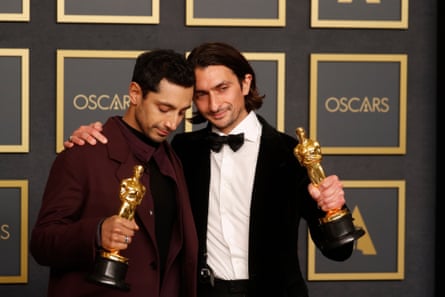
The film marks a significant moment in Karia's career trajectory following his Academy Award-winning achievement with his previous short starring Riz Ahmed. Rather than resting on those laurels, Karia has chosen to engage with the pressing political landscape, crafting a satire that penetrates the veneer of contemporary far-right political movements. What distinguishes this project is its sophisticated approach to examining not the obvious caricatures of extremism, but rather the articulate, well-groomed representatives who have become the public face of populist movements. The film demonstrates remarkable restraint in its examination of these figures, moving beyond simple condemnation to explore something far more complex and unsettling about the nature of political ambition.
In discussing his creative intentions, Karia articulates a philosophical approach that sets his work apart from more straightforward political commentary. "I'm not deluded enough to think that it's going to bring down the government," he remarks with characteristic candor about his satirical effort. However, he maintains an open-minded perspective about the potential impact of art in influencing public discourse. "You never know, it just might," he adds, acknowledging the unpredictable ways in which cinema can resonate with audiences and shape cultural conversations. This measured confidence reflects an artist who understands both the limitations and possibilities of his medium in the realm of political discourse.

The central achievement of Vote Gavin Lyle lies in its sophisticated satirical approach and the exceptional quality of its execution. The film manages to be simultaneously funny, intellectually rigorous, and dramatically compelling within its compact 16-minute format. Lowden's performance as the titular candidate demonstrates remarkable nuance, capturing the calculated charm and underlying vulnerability of a man seeking political power through populist appeal. The screenplay demonstrates a keen understanding of contemporary political rhetoric and the psychological mechanisms that drive both politicians and their supporters. Every scene has been meticulously crafted to serve the film's broader satirical purpose while maintaining its entertainment value.
What makes Karia's satire particularly cutting is its refusal to engage with the most obvious targets of political critique. Rather than focusing on the violent extremists and crude nationalism of street-level movements, the film trains its focus on the sophisticated operators who have learned to package populist messaging in respectable, media-friendly formats. These are the figures who can discuss their political positions in carefully parsed language, who understand media strategy, and who have mastered the art of appearing both relatable and authoritative. The film suggests that this version of far-right politics may be more dangerous precisely because of its veneer of legitimacy and respectability.
Karia's artistic philosophy regarding character construction reveals a maturity in his approach to political filmmaking. He emphasizes that dismissing far-right politicians as simply "nasty bastards" represents a reductive and ultimately unproductive form of critique. Instead, he insists on recognizing the human dimensions of these figures, understanding them as individuals driven by fear, vulnerability, and authentic concerns—even if their proposed solutions to those concerns are deeply problematic. "I don't think it's interesting or useful to look at these people – far-right politicians, councillors, prospective candidates, whoever – and just say what nasty bastards they are," Karia explains. "I think what strikes me about them is they're just as vulnerable and scared as the rest of us." This empathetic approach paradoxically becomes more effective as satire because it recognizes the humanity of its targets while simultaneously exposing the contradictions and delusions inherent in their worldviews.
The choice to release Vote Gavin Lyle on WeTransfer instead of pursuing traditional distribution channels represents a fascinating commentary on contemporary media landscapes. WeTransfer, primarily known as a file-transfer service for creatives and professionals, becomes an unlikely venue for a high-quality satirical film. This unconventional distribution strategy reflects both practical considerations and artistic philosophy. By bypassing traditional gatekeepers of film distribution, Karia democratizes access to his work while maintaining creative control over its presentation and reception. The decision also underscores the film's DIY ethos and its engagement with contemporary digital culture, where important cultural commentary increasingly happens outside traditional institutional frameworks.
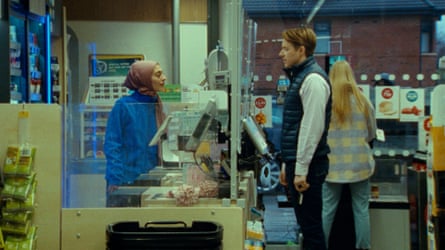
The film's thematic depth is further enriched by what Karia describes as an "element of empathy, even sympathy for its central character." This emotional complexity prevents the satire from devolving into simple mockery or caricature. By acknowledging the genuine anxieties and authentic (if misguided) convictions of its protagonist, the film achieves a tragic dimension that elevates it beyond typical political comedy. The audience is positioned to simultaneously laugh at and feel something more complicated about this character—recognition of shared human vulnerability intertwined with recognition of dangerous political impulses. This emotional ambiguity creates a more lasting and thought-provoking impact than straightforward condemnation would achieve.
The broader context of Karia's career trajectory adds significance to this project. Having earned international recognition and institutional validation through his Academy Award, he remains committed to addressing contemporary social and political issues through his art. The progression from winning the industry's highest honors to creating a satirical short about parliamentary politics demonstrates an artist unwilling to be confined by conventional success narratives. Instead, Karia uses his platform and credibility to engage with urgent contemporary questions about the nature of political leadership, public discourse, and the appeal of populist movements.
Vote Gavin Lyle ultimately represents a significant intervention in contemporary political discourse through cinema. The film's existence, regardless of whether it achieves Karia's modest goal of perhaps not bringing down the government, contributes to broader cultural conversations about the nature of contemporary British politics and the appeal of populist candidates who promise authenticity while carefully managing their public personas. In its 16-minute duration, the film accomplishes what many feature-length films struggle to achieve: a nuanced, entertaining, and intellectually rigorous examination of a serious subject. Karia's commitment to understanding rather than simply condemning his satirical subject represents a mature artistic approach that respects both his audience's intelligence and the complexity of the social phenomena he examines.
Source: The Guardian


