
Pakistan Accused of Kunar Air Strikes

Air attacks on Afghanistan's Kunar province kill seven, injure 75. Pakistan faces accusations over cross-border military operations in volatile region.
Afghanistan's eastern Kunar province has become the focal point of a serious international dispute following a series of devastating air attacks that have claimed multiple lives and left dozens injured. According to sources speaking with the BBC, at least seven people have been confirmed dead, while approximately 75 others have sustained injuries in the coordinated strikes. The attacks represent a significant escalation in tensions between neighboring nations and raise critical questions about cross-border military operations in one of Asia's most volatile regions.
The Kunar province attacks have sparked immediate accusations pointing toward Pakistan's military involvement, though officials in Islamabad have not yet formally responded to the allegations. The province, which borders Pakistan and serves as a critical transit zone for regional trade and movement, has long been a flashpoint for military tensions. The timing of these strikes comes during a period of already strained diplomatic relations between the two nations, with previous incidents of cross-border fire adding to the mounting mistrust between Kabul and Islamabad.
Local witnesses and medical professionals in the affected areas have provided harrowing accounts of the destruction wrought by the aerial bombardment. Hospitals in the region reported receiving a sudden influx of casualties, with medical staff struggling to cope with the overwhelming number of injured patients requiring urgent treatment. The scale of injuries—with 75 people harmed—suggests the attacks were either particularly intense or targeted populated areas where civilians were concentrated.
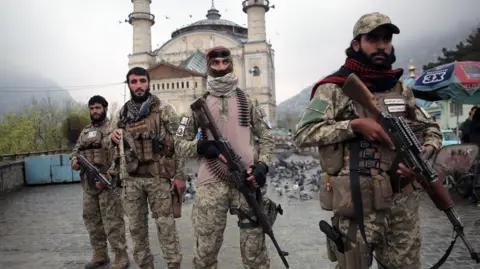
The cross-border military operations have drawn international concern from multiple quarters, including human rights organizations and diplomatic observers who monitor the region closely. Kunar's strategic location and history of militant activity have made it a persistent area of military focus for multiple parties involved in regional security matters. However, the indiscriminate nature of air strikes raises serious humanitarian concerns, particularly regarding civilian casualties and the protection of non-combatants under international law.
Pakistan's military establishment has historically justified operations in border regions as necessary counterterrorism measures against militant groups that allegedly use Afghan territory as a staging ground for attacks within Pakistan. The nation has conducted numerous cross-border operations over the past decades, citing security threats to its own citizens and military personnel. However, each such operation inevitably generates accusations of violating Afghan sovereignty and international protocols governing military conduct.
The incident highlights the persistent challenges facing the Afghanistan-Pakistan border region, where military tensions continue to complicate already difficult diplomatic relations. Despite being neighbors with shared cultural and historical ties, the two nations have experienced repeated cycles of military confrontation. The porous border, estimated at over 2,600 kilometers in length, remains difficult to control and serves as a haven for various militant and terrorist organizations.
The Afghan government has consistently protested what it characterizes as unauthorized Pakistani military operations on its territory, arguing that such actions violate international law and undermine efforts to establish regional stability. Afghan officials have repeatedly called on the international community to pressure Pakistan to cease cross-border operations and respect established borders. These diplomatic protests, however, have yielded limited tangible results, with military operations continuing periodically despite formal complaints.
International observers have noted that civilian populations bear the heaviest burden of such military conflicts, suffering disproportionately from air strikes and combat operations. The presence of internally displaced persons and refugee communities in Kunar further complicates the humanitarian situation, as vulnerable populations face heightened risks during military operations. The humanitarian crisis in the affected regions demands immediate international attention and support for affected communities.
Kunar province itself has experienced years of instability, with various armed groups maintaining presence in remote mountainous areas. The province's rugged terrain and sparse population in certain areas have made it attractive to militant organizations seeking refuge from military operations. This reality has been cited by Pakistani authorities as justification for conducting operations, though Afghan officials contend that such military actions often harm innocent civilians rather than eliminating genuine security threats.
The broader context of Afghanistan-Pakistan relations reveals a relationship strained by decades of mistrust, competing strategic interests, and unresolved border disputes. The relationship has been further complicated by international interventions, changing geopolitical alignments, and the evolving threat landscape in South Asia. Both nations face significant internal security challenges that sometimes lead to externalization of blame and retaliatory military actions.
Medical facilities in Kunar have reported that many of the injured are in critical condition, requiring specialized treatment that may not be readily available in the province's limited healthcare infrastructure. The destruction of medical facilities and disruption of supply chains further exacerbates the humanitarian emergency, potentially leading to preventable deaths among the injured. International humanitarian organizations have called for urgent access to the affected regions to provide medical assistance and assess the full extent of the damage.
The international community, including regional powers and global institutions, faces pressure to intervene diplomatically to prevent further escalation and protect civilian populations. The United Nations and various human rights organizations have voiced concerns about the conduct of military operations in civilian areas. Calls for accountability and investigation into the air strikes reflect growing international awareness of the humanitarian implications of regional military conflicts.
As tensions simmer in the aftermath of these attacks, both nations must confront the fundamental question of how to address legitimate security concerns while respecting international law and protecting civilian populations. The incidents in Kunar underscore the fragile state of regional stability and the urgent need for dialogue, transparency, and commitment to international humanitarian standards. Without meaningful diplomatic progress and mutual restraint, such tragic incidents may continue to plague the region, deepening the cycle of mistrust and violence that has characterized Pakistan-Afghanistan relations for decades.
Source: BBC News


