
Pakistan Airstrike Kills 269 Afghans: Families Demand Answers

Pakistan's March 16 airstrike on Afghan rehabilitation center kills 269. UN suggests higher death toll. Families call for war crime investigation into controversial military operation.
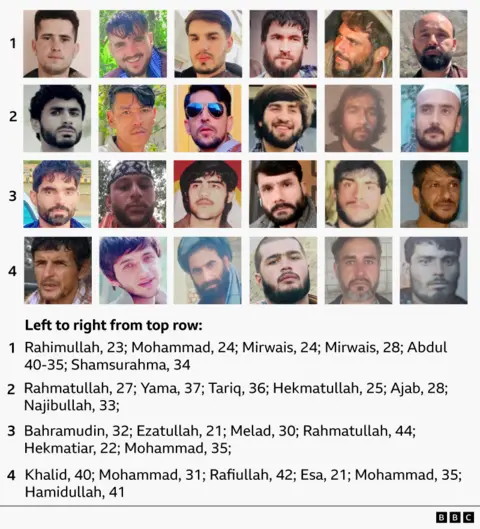
On March 16, a devastating airstrike struck a rehabilitation facility in Afghanistan, resulting in what Pakistan's military claimed were 269 deaths. However, the incident has sparked intense international scrutiny, with the United Nations suggesting the actual death toll may be significantly higher than initially reported. The attack has ignited a firestorm of controversy, with grieving families demanding accountability and transparency from Pakistani military officials regarding the circumstances surrounding the bombing.
The rehabilitation center, which served as a treatment facility for individuals struggling with substance abuse and addiction, was located in a region where Afghan military operations were ongoing. Survivors and eyewitnesses have provided conflicting accounts of the circumstances leading up to the strike, with some claiming the facility was clearly marked as a civilian medical establishment. The Pakistani military has maintained that the facility was being used for military purposes and housed militant combatants, a claim that has been disputed by Afghan government officials and international humanitarian organizations.
The United Nations investigation into the incident has raised serious questions about the proportionality and necessity of the military action. UN officials have expressed grave concerns about the scale of casualties and have suggested that the death toll may exceed 269 individuals, with some estimates placing the number significantly higher. The organization has called for a thorough and independent examination of the circumstances surrounding the airstrike to determine whether it constitutes a war crime under international humanitarian law.
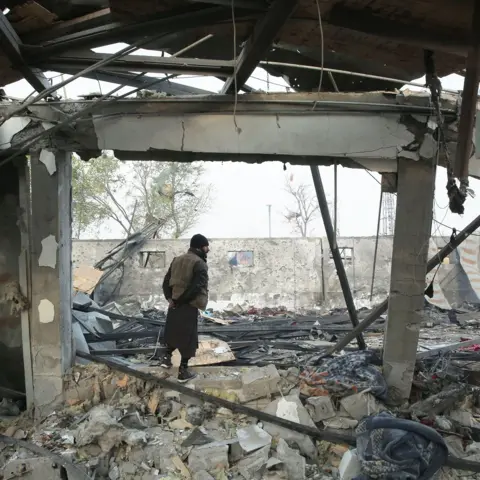
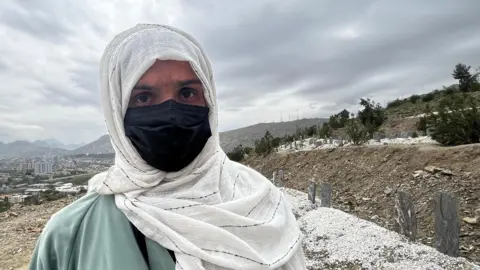
Families of the victims have launched desperate appeals for justice, demanding that both Pakistani and Afghan authorities conduct comprehensive investigations into the bombing. Many relatives have lost multiple family members in the strike, with some families entirely wiped out by the attack. These grieving households have organized themselves into advocacy groups, calling for international intervention and compensation for their losses. The emotional toll on surviving family members has been immense, with many struggling to come to terms with the sudden and violent deaths of their loved ones.
The incident has further strained already tense diplomatic relations between Pakistan and Afghanistan. Pakistani officials have defended the military action as a necessary counterterrorism operation, claiming that the facility was a front for militant activities. However, Afghan government representatives have disputed these assertions, arguing that the rehabilitation center served a legitimate humanitarian purpose and that civilians were deliberately targeted. The disagreement over the nature and justification of the strike has made it difficult for the two nations to move forward in addressing the tragedy.
International human rights organizations have intensified their calls for accountability in the aftermath of the airstrike. Groups such as Amnesty International and Human Rights Watch have launched investigations into whether the attack violated the Geneva Conventions and international laws of war. These organizations have expressed particular concern about the apparent lack of proper targeting procedures and the failure to verify civilian presence at the facility before conducting the bombardment. Legal experts specializing in international humanitarian law have suggested that the evidence gathered thus far raises serious questions about potential criminal liability.
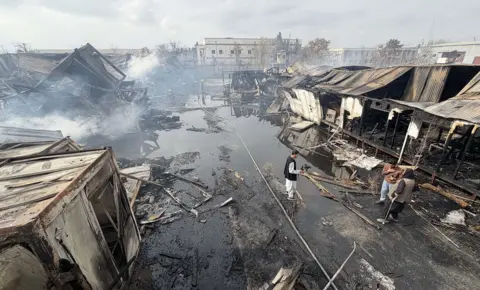
The rehabilitation center airstrike represents one of the deadliest incidents of civilian casualties in recent years involving Pakistani military operations in the region. The scale of the attack and the nature of the target have drawn comparisons to other controversial military strikes in Afghanistan and Pakistan that have killed large numbers of civilians. Military experts have debated whether the intelligence regarding the facility's use was accurate and whether alternative approaches to addressing any legitimate security concerns might have been available. The debate over civilian protection in military operations continues to be a contentious issue in international relations.
Pakistani military officials have indicated that an internal investigation into the airstrike is ongoing, though details about the scope and methodology of this inquiry remain limited. Analysts have raised concerns about the transparency of Pakistan's investigative process, noting that military institutions investigating their own operations may face inherent conflicts of interest. Calls for an independent, third-party investigation have grown louder among international observers and victim advocacy groups. The Pakistani government has so far resisted demands for a fully independent international investigation, citing national sovereignty concerns.
The psychological and social impact of the airstrike extends far beyond the immediate death toll. Communities in the region have been traumatized by the attack, with survivors reporting severe post-traumatic stress and anxiety. Medical facilities treating survivors have described widespread injuries requiring long-term care and rehabilitation. Social workers and mental health professionals have warned that the psychological consequences of such mass casualties will persist for years, affecting not only direct survivors but entire communities in the affected areas.
The incident has renewed international debate about the rules governing military operations and civilian protection in armed conflict. Humanitarian organizations have called for stricter protocols regarding the verification of civilian presence before conducting airstrikes. Military strategists have discussed the challenges of conducting operations in environments where civilian and militant positions may be intermingled, while emphasizing the fundamental obligation to minimize civilian harm. The airstrike has become a focal point in discussions about balancing legitimate military objectives with humanitarian considerations.
Diplomatic efforts to address the fallout from the airstrike have achieved limited success thus far. Both Pakistan and Afghanistan have expressed willingness to engage in dialogue, but fundamental disagreements about what occurred and the appropriate response have hindered progress. International mediators have attempted to facilitate discussions, but the emotional intensity of the situation and the demand for accountability have complicated negotiation efforts. The path toward resolution remains uncertain, with families of victims demanding concrete answers and substantial reparations.
As investigations continue and the international community grapples with the implications of the airstrike, the families of those killed remain focused on their core demands: a full accounting of what happened, recognition of responsibility, and adequate compensation for their losses. The incident has highlighted ongoing tensions in South Asian geopolitics and the persistent challenges of protecting civilians in regions affected by armed conflict. Whether the airstrike investigation ultimately leads to accountability remains to be seen, but the pressure from victim families and international observers suggests that this tragic event will continue to dominate headlines and diplomatic discussions for months to come.
Source: BBC News


