
Pakistan: Death Sentence for Teen TikTok Star's Killer

A man has been sentenced to death for murdering Sana Yousaf, a teenage TikTok star in Pakistan. The case highlights ongoing violence against women in the country.
In a significant legal development that has drawn international attention, a Pakistani court has handed down a death sentence to the man convicted of murdering Sana Yousaf, a prominent teenage social media personality who had gained considerable fame on the TikTok platform. The case has sparked renewed discussions about the pervasive problem of violence against women in Pakistan, with human rights advocates and activists pointing to this tragic incident as part of a troubling broader pattern that continues to affect the nation.
Sana Yousaf had become well-known among young audiences across South Asia through her engaging content on TikTok, where she had amassed a substantial following. Her life was cut short in a brutal act that sent shockwaves through both the digital community and Pakistani society at large. The murder case quickly became a focal point for discussions about the safety of women, particularly those in the public eye, and the challenges they face in a society where gender-based violence remains a persistent concern.
The conviction and subsequent death penalty represent a rare instance of decisive legal action in cases involving violence against women in Pakistan. Legal experts and observers have noted that such definitive sentences are not always common in the country's judicial system, making this verdict particularly noteworthy. The swift progression of the case through the courts demonstrated the severity with which authorities treated the crime, responding to public outcry and the prominence of the victim in social media circles.
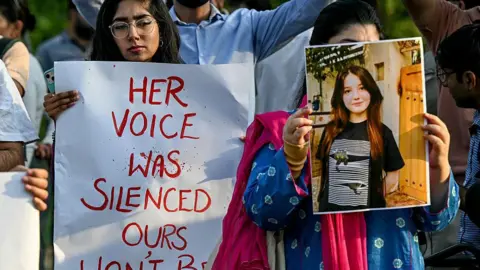
Women's rights organizations and human rights activists have seized upon this case as an opportunity to highlight the systematic nature of violence against women in Pakistan. According to various reports and surveys, Pakistan consistently ranks among countries with high rates of femicide and gender-based violence. The murder of a young woman with a public platform and visible presence has helped bring these broader issues into sharper focus, demonstrating how violence affects women across all social strata and professions.
The circumstances surrounding Sana Yousaf's death and the subsequent investigation revealed troubling details that underscored the dangers facing women in the region. Her story resonated particularly with younger audiences who had followed her content online, many of whom expressed shock and grief at the loss of someone they felt they knew through her digital presence. The case highlighted how even those with public visibility and apparent empowerment through social media platforms remain vulnerable to violence.
Activists have used the platform provided by this case to call for systemic changes in how Pakistan addresses violence against women. They have pointed to the need for stronger protective legislation, more robust law enforcement responses to threats and violence against women, and cultural shifts in how society views and treats women. Many have emphasized that while individual convictions are important, they must be accompanied by broader societal and institutional changes to truly address the root causes of gender-based violence.
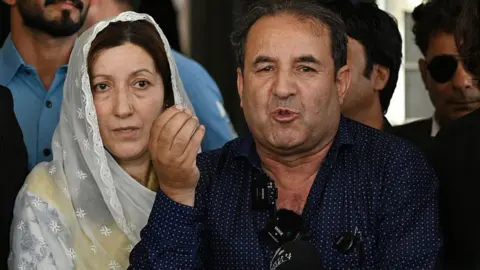
The death sentence handed down in this case carries symbolic importance beyond the individual verdict. It sends a message about the consequences of perpetrating violence against women and demonstrates that the judicial system can respond decisively when cases are brought before it. However, activists have also noted that many cases involving violence against women go unreported or unprosecuted, meaning that statistics on such crimes often represent only a fraction of the actual incidents occurring across the country.
The digital community's response to Sana Yousaf's murder reflected the interconnected nature of modern social media platforms and the way incidents can spark global conversations. Users from around the world mourned her loss and engaged in discussions about safety, justice, and the particular vulnerabilities faced by young women, especially those with public profiles. This international dimension added pressure on Pakistani authorities to ensure a thorough investigation and appropriate legal consequences.
Social media platforms themselves have faced scrutiny in connection with cases of violence against women, including questions about whether they do enough to protect users and prevent harassment or threats. The case of Sana Yousaf has prompted discussions about platform safety features, content moderation practices, and the responsibility of social media companies to safeguard their users from harm. These conversations have extended beyond Pakistan to include broader global dialogue about digital safety.
The legal proceedings in this case involved testimony from witnesses, forensic evidence, and investigation by Pakistani law enforcement agencies. The evidence presented established the guilt of the convicted individual beyond reasonable doubt, leading to the capital punishment verdict. The case demonstrated that despite challenges within Pakistan's judicial system, serious crimes can result in severe legal consequences when pursued vigorously.
Looking forward, this case is expected to serve as a reference point in discussions about how Pakistan can better protect its women and hold perpetrators of violence accountable. Women's rights organizations have called for this moment to catalyze meaningful policy changes, including increased funding for victim support services, mandatory training for law enforcement on handling violence cases, and public awareness campaigns about women's rights and safety. They emphasize that Sana Yousaf's death should not be forgotten as a tragedy but should instead become a catalyst for systemic improvements in how society and institutions address gender-based violence.
The case also reflects broader international concerns about women's safety in various regions of the world. Pakistan's struggle with violence against women is shared by many countries, and experts point to common factors including economic inequality, limited access to education and economic opportunity for women, and cultural norms that can marginalize female voices and autonomy. Addressing these underlying issues requires coordinated efforts across multiple sectors of society, from government and law enforcement to educational institutions and community organizations.
As this case concludes with a death sentence, it marks a moment of justice for Sana Yousaf's family and supporters, yet also serves as a sobering reminder of the ongoing crisis of violence against women in Pakistan. The conviction and severe punishment demonstrate that accountability is possible, but activists insist that true progress requires sustained commitment to addressing the root causes of gender-based violence and creating a society where all women can live safely and freely.
Source: BBC News


