
Pakistan Emerges as Unlikely Mediator in Iran Conflict

Discover how Pakistan's unexpected role as an intermediary in the Iran conflict has taken the world by surprise, and the factors that led to this unlikely partnership.
Pakistan, long seen as a problematic player in regional affairs, has emerged as an unlikely mediator in the brewing conflict between the United States and Iran. This surprising turn of events has left many observers puzzled, but a closer examination reveals the strategic calculations and historical ties that have propelled Islamabad into this unexpected role.
Despite its complex relationship with the US, Pakistan has managed to cultivate ties with both Washington and Tehran, making it uniquely positioned to navigate the delicate balance between the two adversaries. Imran Khan, Pakistan's Prime Minister, has actively sought to position his country as a bridge-builder, invoking the country's historical role as a regional power broker.
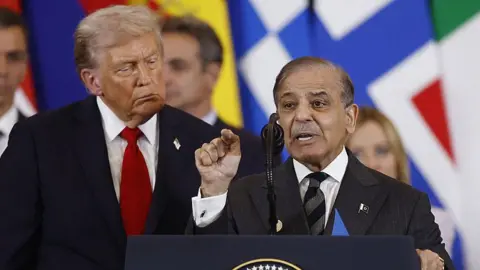
The roots of Pakistan's involvement can be traced back to the 1970s, when the country played a pivotal role in facilitating secret talks between the US and Iran. This legacy of backroom diplomacy has continued to shape Islamabad's approach, even as the geopolitical landscape has shifted dramatically.
Today, Pakistan's strategic location, its longstanding ties with both the US and Iran, and its desire to avoid being drawn into the conflict have all contributed to its emergence as a key mediator. Islamabad has leveraged these advantages to position itself as a neutral broker, offering to host talks and facilitate dialogue between the warring parties.
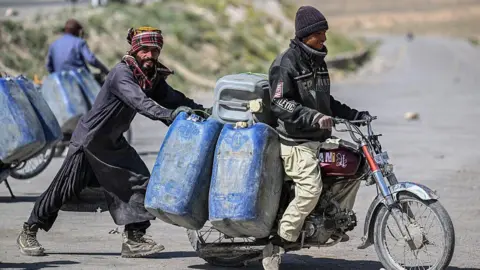
The stakes for Pakistan are high. A full-blown conflict between the US and Iran would have dire consequences for Islamabad, both in terms of regional stability and its own fragile economy. By stepping into the role of intermediary, Pakistan hopes to de-escalate tensions and prevent a wider conflagration that could engulf the entire region.
Yet, Pakistan's efforts have not been without their own challenges. Navigating the complex web of regional alliances and rivalries has required deft diplomacy and a delicate balancing act. Islamabad must tread carefully, avoiding the perception of favoring one side over the other, while also safeguarding its own national interests.
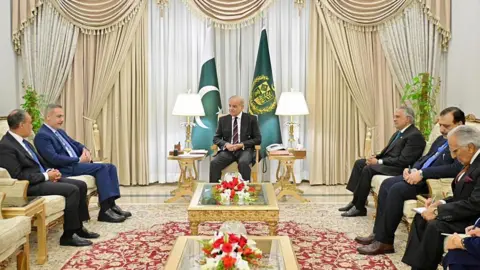
As the situation in the Gulf remains volatile, Pakistan's role as an intermediary will likely continue to be scrutinized and tested. But for now, Islamabad's unexpected emergence as a peacemaker in this conflict has surprised many and underscored the country's evolving strategic importance in the region.
Source: BBC News


