
Paranormal Activity Game Cancelled After Failed Deal

The independent developer's Paranormal Activity game project has been officially cancelled after Paramount Pictures declined to extend the licensing agreement.
The long-anticipated Paranormal Activity game project has officially come to an end, marking a significant setback for the independent developer who had been working on bringing the iconic horror franchise to the gaming world. The cancellation stems from a licensing dispute with Paramount Pictures, the rights-holder of the Paranormal Activity intellectual property, who declined to grant an extension for the game's development rights.
The solo developer behind the project had been navigating a complex relationship with Paramount regarding the terms of creating an interactive experience based on the popular film series. Despite efforts to negotiate an extension, the studio ultimately decided not to renew or extend the licensing agreement that would have allowed the game development to continue. This decision effectively halted all progress on what many horror enthusiasts and gaming fans had been eagerly anticipating.
The horror game would have represented an exciting opportunity to translate the found-footage horror aesthetic of the films into an immersive gaming experience. The franchise, which began with its debut film in 2007 and spawned multiple sequels, has maintained a dedicated fan base over the years. Many supporters of the project believed that the Paranormal Activity universe was perfectly suited for interactive entertainment, given the first-person perspective and tension-building elements that defined the films.
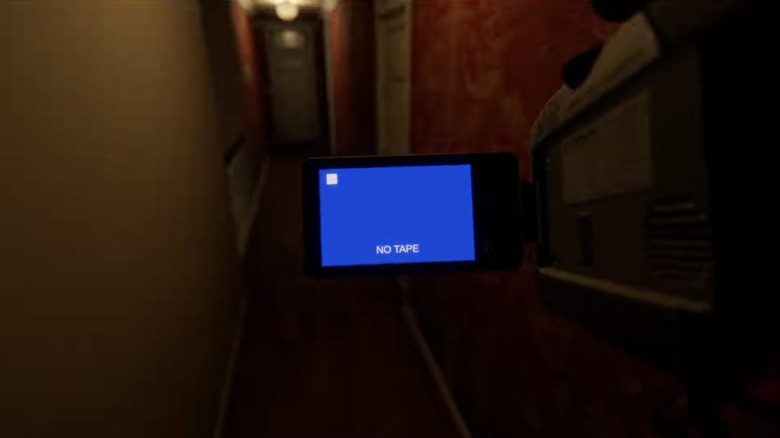
Working as a solo developer on a licensed game project presents substantial challenges, particularly when dealing with major studios and entertainment corporations. The developer would have been responsible for every aspect of game design, programming, and creative direction while simultaneously maintaining approval from Paramount for the final product. This balancing act between creative vision and corporate oversight often proves difficult, especially when licensing terms become points of contention.
The involvement of a major Hollywood studio like Paramount in game licensing agreements typically involves stringent conditions regarding content, development timelines, and quality standards. When negotiations break down over contract extensions, independent developers often find themselves in precarious positions where they cannot legally continue their work without risking intellectual property violations. In this case, the developer's inability to secure renewed licensing rights left no viable path forward for the project.
The video game industry has seen numerous high-profile cancellations of licensed games over the years, particularly when relationships between developers and rights-holders deteriorate. The fate of the Paranormal Activity game joins a long list of projects that never made it to public release due to licensing complications, funding issues, or corporate decisions. These cancellations often disappoint communities of fans who were looking forward to experiencing new content from beloved franchises.
The decision by Paramount to not extend the game licensing agreement may reflect broader considerations within the entertainment industry regarding video game adaptations. Major studios have become increasingly cautious about which game projects they support, often prioritizing those with established development teams and guaranteed funding rather than solo developers with uncertain timelines. This trend has created challenges for independent creators seeking to work with major intellectual properties.
For the solo developer involved in this project, the cancellation represents not only a lost opportunity but also the dissolution of potentially months or years of creative work. Independent developers often invest significant time and resources into game development projects without guaranteed compensation, betting on the eventual commercial success or recognition of their work. When a project gets cancelled due to factors outside the developer's control, such as licensing disputes, the impact can be particularly demoralizing.
The Paranormal Activity franchise itself has experienced various attempts at expansion beyond the original film series. While the movies have continued to produce sequels and spinoffs, efforts to diversify the brand into other media have been inconsistent. The cancellation of the game project suggests that Paramount may be reassessing its strategy for how to leverage the franchise across different entertainment platforms and mediums.
This situation highlights the risks inherent in independent game development, particularly when pursuing licensed intellectual properties. Unlike original projects where creators maintain complete control, licensed games require ongoing approval and cooperation from rights-holders. When those relationships fail to materialize or continue, developers lose their ability to proceed, regardless of how far along they may be in the development process.
The gaming community has expressed disappointment over the cancellation, with many fans taking to social media to voice their frustration about losing the opportunity to experience a Paranormal Activity game. Enthusiasts of both the film franchise and horror games alike had hoped that the interactive medium would offer a unique way to experience the tension and scares that defined the original movies. The cancellation dashes those hopes indefinitely, unless either Paramount or another rights-holder decides to pursue a game adaptation in the future.
Looking forward, the fate of the Paranormal Activity game serves as a cautionary tale for aspiring indie developers considering licensed game projects. It underscores the importance of securing long-term agreements and favorable terms before investing substantial resources into development. For Paramount, the cancellation decision may prompt reflection on whether their approach to game licensing is serving the franchise's long-term interests and fan engagement strategies effectively.
The broader implications of this cancellation extend to discussions within the gaming industry about the viability of smaller, independent studios creating games based on major Hollywood franchises. As the industry consolidates and larger publishers gain more control over licensed properties, opportunities for solo developers and small teams to work on high-profile projects continue to diminish. This trend may ultimately limit the diversity of games available to consumers and restrict creative voices in the industry.
Source: Engadget


