
Pardoned Capitol Rioter Gets 7 Years for Virginia Burglary

Zachary Alam, who served 4 years for January 6 Capitol attack before Trump pardon, sentenced to 7 years for May 2025 Virginia burglary conviction.
In a significant legal development, a January 6 Capitol rioter who received a presidential pardon at the beginning of Donald Trump's second term has now faced substantial prison time for an unrelated crime. Zachary Alam, 34, was convicted of burglary charges stemming from an incident in Virginia during May 2025, just months after his release from federal custody. The case underscores the complex legal landscape facing pardoned Capitol attack participants and raises questions about whether clemency extends beyond the original charges.
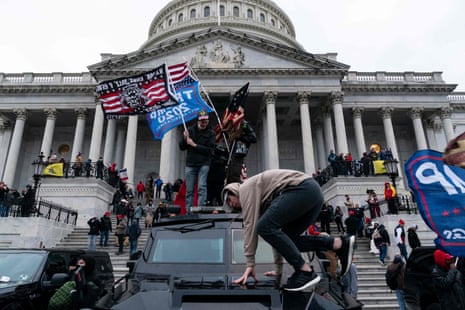
Alam had previously spent approximately four years incarcerated for his direct participation in the US Capitol attack on January 6, 2021. His original sentence of eight years represented one of the more severe punishments handed down to Capitol rioters, reflecting the severity of his involvement in the violence that erupted in Washington DC. The attack occurred following the 2020 presidential election results, when supporters of then-President Trump stormed the Capitol building in an attempt to disrupt the certification of Joe Biden's electoral victory.
The pardon issued by President Trump in early 2025 effectively commuted Alam's Capitol-related sentence, allowing his release from federal prison. However, his freedom proved short-lived, as he was arrested just months later on charges related to the Virginia burglary. This arrest marked a dramatic reversal of fortune for Alam, who had seemingly received a second chance through the presidential clemency process.
The Virginia burglary case that led to the new conviction involved circumstances that remain partly under scrutiny. The jury deliberations and evidence presented demonstrated sufficient grounds to convict Alam of the break-in offense, resulting in the substantial seven-year prison sentence handed down by the court. This conviction represents a new legal chapter for Alam, entirely separate from his Capitol riot involvement, though his criminal history undoubtedly influenced sentencing considerations.
The case raises critical questions about the nature and scope of presidential pardons in contemporary American jurisprudence. While Trump's clemency covered Alam's Capitol-related convictions, it could not and did not shield him from prosecution for subsequent criminal activity. Legal experts have noted that presidential pardons are limited to specific offenses and do not provide blanket immunity from future charges or accountability for crimes committed after the pardon is issued.
Alam's trajectory from Capitol participant to federal inmate to pardoned individual to convicted burglar represents a cautionary tale about recidivism and the limitations of second chances. The swift return to criminal activity within months of his release raises concerns about rehabilitation efforts and whether his time in federal custody adequately addressed underlying behavioral issues. Prison reform advocates have pointed to cases like Alam's as evidence that more comprehensive post-release support systems are necessary.
The burglary conviction in Virginia was secured through jury trial, indicating that prosecutors successfully demonstrated Alam's guilt beyond a reasonable doubt according to evidence presented during court proceedings. The seven-year sentence falls within typical ranges for burglary offenses in Virginia, though judges often consider prior criminal history when determining appropriate punishment. Alam's recent federal incarceration for Capitol riot involvement would have been a relevant factor in the sentencing decision.
This case arrives at a moment of heightened national scrutiny over the Trump administration's approach to Capitol riot participants and presidential clemency broadly. The mass pardons and commutations issued by Trump regarding January 6 insurrectionists have proven controversial, with critics arguing that they undermine accountability for violence and civil unrest. Supporters counter that many Capitol riot sentences were disproportionately harsh compared to sentences for other federal crimes.
The broader context of Alam's case reflects ongoing tensions surrounding political violence, federal prosecution, and presidential power. The US Capitol breach resulted in hundreds of arrests and convictions over the subsequent years, with sentences ranging from misdemeanors to multi-decade felony convictions. Alam's eight-year sentence placed him among the more serious offenders prosecuted in connection with the attack, suggesting his conduct during the riot was particularly aggressive or involved property damage.
Following his release through presidential pardon, Alam's immediate return to criminal behavior suggests that the roughly four years of federal incarceration may not have achieved its intended rehabilitative purposes. Whether this reflects failures in the federal prison system's rehabilitation programs, Alam's personal choices, or both remains subject to debate. Criminologists have long documented the challenges of successful reentry into society for individuals with extensive criminal histories.
The Virginia burglary charges and conviction place Alam back within the federal and state prison system, now facing significantly more time behind bars. The cumulative effect of his original Capitol riot sentence and this new seven-year conviction means Alam will spend a substantial portion of his life in prison across multiple sentences. The case demonstrates that presidential clemency, while providing immediate relief from one conviction, does not erase criminal history or eliminate consequences for subsequent offenses.
Looking forward, Alam's case may influence how future presidents approach clemency decisions regarding politically motivated crimes. Defense attorneys and civil rights organizations have expressed concerns that mass pardons for Capitol riot participants could send problematic signals about the acceptability of political violence. Conversely, Trump administration officials have argued that many defendants received disproportionate sentences and that clemency represented a correction of prosecutorial overreach.
The sentencing of Alam to seven years for the Virginia burglary adds another data point to the growing record of January 6 pardoned individuals and their subsequent legal troubles. Whether patterns emerge from monitoring additional cases remains to be seen, but early indicators suggest that some recipients of Capitol riot clemency have struggled with reintegration into civilian life. This underscores the complex relationship between criminal justice, presidential power, and the ultimate outcomes for those caught in the system.
As Alam begins serving his new prison sentence, his case serves as a reminder of the enduring consequences of criminal activity and the limited scope of presidential pardons. While Trump's clemency provided temporary relief and release from Capitol riot convictions, it could not protect against subsequent crimes or insulate Alam from the criminal justice system. The seven-year sentence represents a significant portion of his remaining life span and continues a legal saga that began with violence in the nation's capital.
Source: The Guardian


