
Paris Erupts in Chaos: 127 Arrested During PSG Victory Celebrations

PSG's Champions League qualification sparked street celebrations in Paris, but festivities turned violent with over 127 arrests and widespread disturbances reported.
The streets of Paris transformed into a battleground of celebration and chaos following Paris Saint-Germain's remarkable qualification for the Champions League final. While thousands of jubilant supporters poured into the city's most iconic locations to commemorate the historic achievement, the euphoric atmosphere quickly deteriorated into scenes of disorder that prompted significant police intervention and resulted in numerous arrests.
The PSG victory had ignited an unprecedented surge of passion among the club's passionate fanbase, who eagerly seized the opportunity to express their exultation throughout the capital. However, what initially appeared to be a joyous occasion rapidly evolved into a night marked by uncontrolled behavior, vandalism, and aggressive confrontations between celebrants and law enforcement officials. The stark contrast between the initial optimism and the eventual turmoil underscored the volatile nature of large-scale celebrations in densely populated urban centers.
According to official reports, authorities documented 127 arrests throughout the evening as various disturbances erupted across multiple neighborhoods. The incidents encompassed a wide range of infractions, from minor disorderly conduct to more serious criminal activities including property destruction and assault. Police deployed extensive resources to maintain order, establishing cordoned areas and implementing crowd control measures to prevent further escalation of the volatile situation.
The Paris celebrations demonstrated the immense emotional investment that supporters place in their football club, particularly during pivotal moments in the team's competitive calendar. For many residents of the metropolitan area, PSG's progression to the continental competition's ultimate stage represented a collective achievement worthy of public commemoration. Nevertheless, the evening served as a cautionary reminder of how rapidly jubilant gatherings can transform into security challenges that demand immediate and decisive intervention.
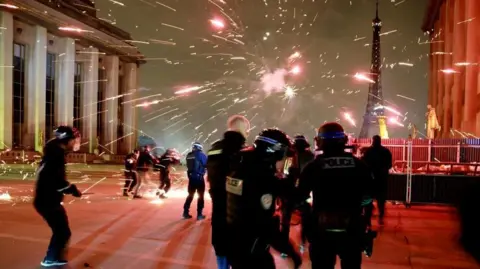
The disturbances that marred the PSG Champions League achievement highlighted the complex relationship between sporting fervor and civil disorder in metropolitan environments. Eyewitness accounts described scenes of overcrowded streets where individuals engaged in confrontational behavior, threw objects at storefronts, and clashed with uniformed personnel attempting to restore peace. The sheer density of enthusiastic supporters created challenging conditions for law enforcement officers tasked with simultaneously allowing legitimate celebration while preventing criminal activity.
Security experts have long acknowledged that major sporting events, particularly those involving prestigious competitions like European football championships, can galvanize large populations to congregate in public spaces. While most participants engage in peaceful festivities, a minority may exploit the chaotic environment to perpetrate vandalism, theft, or violence. The evening's events in Paris exemplified this predictable but nonetheless troubling pattern that has become increasingly common at major sporting venues and city centers worldwide.
The arrests in Paris encompassed individuals of varying backgrounds and ages, suggesting that the disorder was not confined to a specific demographic segment. Police documentation indicated that the violations ranged from unauthorized assembly to more serious charges involving physical altercations and property damage. The comprehensive nature of the enforcement actions reflected the authorities' determination to address the multifaceted security concerns that emerged as the night progressed.
Local residents and business proprietors expressed mixed sentiments regarding the evening's tumultuous events. While many acknowledged the natural desire for supporters to celebrate their beloved club's achievement, others lamented the disruption to public order and the subsequent damage inflicted upon their establishments and community spaces. This dichotomy between the understandable impulse for collective celebration and the necessity for maintaining societal order remained at the forefront of subsequent discussions about managing future sporting events in the city.
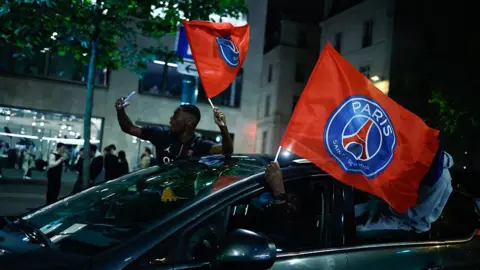
The Champions League qualification represented a substantial accomplishment for the Parisian club, validating months of competitive effort and strategic investment. The team's success in navigating the tournament's rigorous format and defeating formidable opponents captured the imagination of supporters throughout the region and beyond. Nevertheless, the subsequent civil disturbances threatened to overshadow the sporting achievement and dominate public discourse surrounding the qualification.
Municipal authorities and police leadership convened to assess the evening's developments and formulate strategies for preventing similar incidents during future major sporting events. Discussions reportedly focused on enhancing communication with supporters' organizations, deploying more sophisticated crowd management technologies, and coordinating responses across multiple agencies responsible for public safety. These deliberations acknowledged that while celebrations were inevitable, proactive measures could potentially mitigate the most severe consequences of uncontrolled gatherings.
The incident prompted broader reflection within Paris regarding how the city could accommodate the legitimate desire of residents and fans to celebrate significant achievements while simultaneously safeguarding public order and protecting property. City planners and security officials considered designating specific zones for celebration, implementing temporary infrastructure modifications, and increasing the visibility of law enforcement personnel in strategic locations. These forward-looking approaches aimed to strike a more equitable balance between permitting joyous expression and preventing the emergence of dangerous conditions.
International observers noted that Paris was not alone in experiencing disorder following major sporting accomplishments, as numerous cities worldwide had encountered similar challenges during celebrations of national or local team successes. The universal nature of this phenomenon suggested that sporting organizations, municipal governments, and law enforcement agencies faced common dilemmas when attempting to manage large-scale public assemblies. Expert analysis indicated that finding optimal solutions required coordinated efforts involving multiple stakeholders committed to both facilitating celebration and maintaining civic harmony.
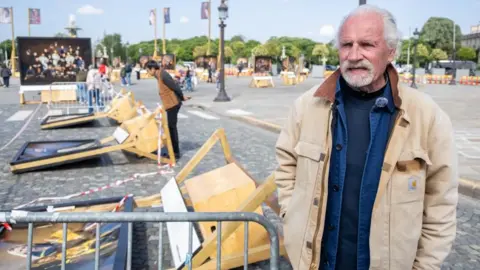
The 127 arrests recorded during the evening represented significant law enforcement activity, requiring the deployment of substantial police resources and the processing of numerous individuals through the criminal justice system. Each arrest reflected an assessment by authorities that specific individuals had engaged in conduct sufficiently serious to warrant legal intervention. The diversity of charges suggested that the disturbances encompassed multiple distinct incidents rather than a single cohesive event, complicating the narrative and undermining attempts to characterize the evening as a monolithic occurrence.
Looking forward, stakeholders across Paris acknowledged that the PSG victory celebrations presented valuable lessons applicable to future major events scheduled in the metropolitan area. The experience underscored the necessity of comprehensive planning, adequate resource allocation, and genuine commitment to balancing competing interests between celebration and security. As the city processed the events of the evening and assessed the damage incurred, authorities pledged to implement more robust preventative measures designed to enable supporters to commemorate their team's achievements without descending into chaos and disorder.
Source: BBC News


