
Penguin Takes on OpenAI: Copyright Clash Over ChatGPT's Coconut Book Adaptation

Publisher Penguin Random House files lawsuit against AI firm OpenAI, alleging ChatGPT violated copyright by reproducing content from popular German children's book series.
Penguin, the renowned publishing house, has taken legal action against OpenAI, the AI research company, alleging that its popular chatbot ChatGPT has violated copyright by mimicking and reproducing content from a popular series of German children's books.
The lawsuit, filed on Friday with a Munich court, targets OpenAI's Ireland-based European subsidiary. Penguin Random House's legal team prompted ChatGPT to write a story in the vein of Penguin author and illustrator Ingo Siegner's Coconut the Little Dragon series, which has captivated young readers across Germany.
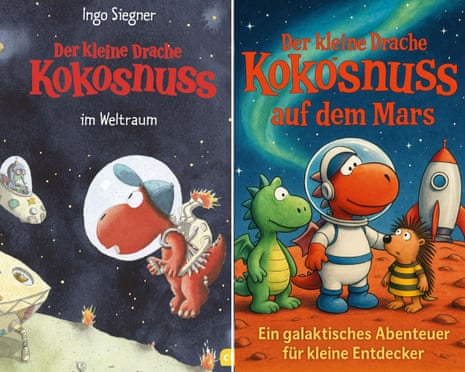
The publishing giant claims that ChatGPT's rendition of a story in the Coconut universe infringes on their intellectual property rights. This latest legal battle highlights the growing tension between the rapid advancements in AI technology and the protection of creative works.
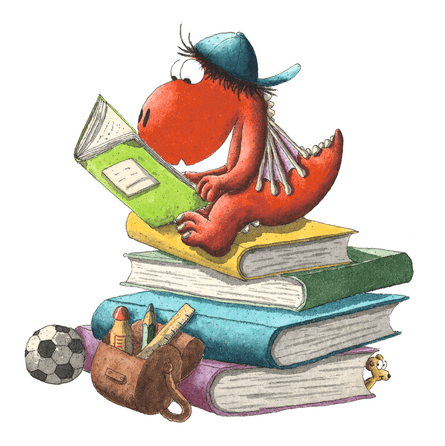
Penguin Random House, a leading global publisher, has built a strong reputation for nurturing beloved children's book franchises like Coconut the Little Dragon. The series, which follows the adventures of a young dragon, has been a consistent bestseller in Germany and has since been translated into several languages, captivating young readers worldwide.
OpenAI, on the other hand, has been at the forefront of the AI revolution, with its flagship product, ChatGPT, gaining widespread acclaim for its impressive language capabilities. The chatbot's ability to generate human-like text has drawn both praise and scrutiny, with concerns over the potential misuse of such technology.
The lawsuit filed by Penguin Random House underscores the complex legal landscape surrounding the use of AI in the creative arts. As AI models become more advanced, the lines between human-generated and machine-generated content continue to blur, raising questions about the appropriate use of copyrighted materials and the rights of both creators and AI developers.
This case could have far-reaching implications for the future of AI and its integration with creative industries. The outcome of the lawsuit will be closely watched by publishers, authors, and AI developers alike, as they navigate the evolving landscape of digital content creation and intellectual property rights.


