
Pennsylvania Residents Push Back Against Data Center Expansion

Over 200 Pennsylvanians gathered at a town hall to voice concerns about rapid data center development, citing environmental and economic impacts.
A growing wave of resistance to data center development in Pennsylvania reached a crescendo during a packed town hall meeting that drew approximately 225 concerned residents and stakeholders. The two-hour online forum, held late Wednesday evening, showcased the mounting frustration among everyday Pennsylvanians who feel their voices are being overlooked in what they perceive as an unchecked industrial boom transforming the state's landscape.
More than 20 speakers took turns addressing the assembled crowd, each articulating specific grievances about the rapid expansion of data centers across Pennsylvania. Their concerns painted a comprehensive picture of unintended consequences, ranging from elevated electricity prices that strain household budgets to alarming rates of water consumption that threaten agricultural operations and regional water supplies. Beyond these measurable impacts, residents also highlighted less quantifiable but equally troubling issues including noise pollution that disrupts rural communities and what many characterized as unwanted industrialization of previously quiet, agrarian regions.
Gov. Josh Shapiro, who has attempted to balance competing interests by welcoming data center investments while simultaneously proposing regulatory safeguards, became a frequent focal point of criticism during the forum. Residents expressed disappointment with what they view as insufficient protections and inadequate consideration of their communities' needs. The governor's nuanced approach—neither fully embracing nor rejecting the industry—left many feeling that their concerns remain secondary to economic development objectives.
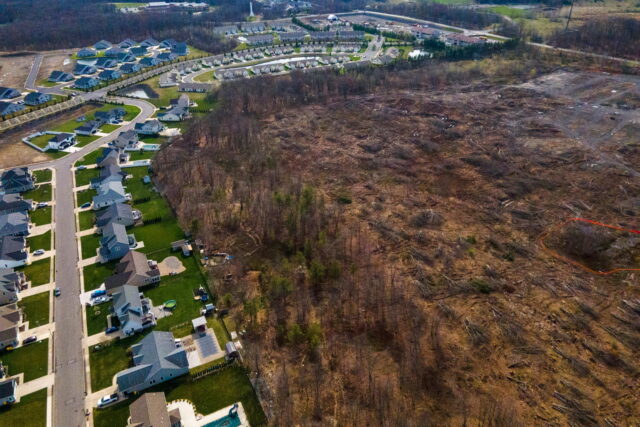
Jennifer Dusart, a small business owner and longtime resident of Mechanicsburg situated near Pennsylvania's state capital of Harrisburg, articulated a sentiment that resonated throughout the gathering. "This is a public trust and transparency issue," she declared, her voice reflecting the collective frustration of many in attendance. "Too many Americans are finding out about these projects after decisions have been made. We have been bulldozed over, and when citizens have raised concerns, they are often dismissed as uninformed, emotional or anti-progress."
Dusart's remarks highlighted a systemic problem that participants identified repeatedly throughout the forum: a fundamental disconnect between decision-makers and affected communities. The accusation that legitimate concerns are dismissed as emotional rather than substantive struck a chord with the audience, suggesting that residents feel their expertise about their own communities and legitimate environmental worries are being systematically devalued in favor of corporate interests and state development goals.
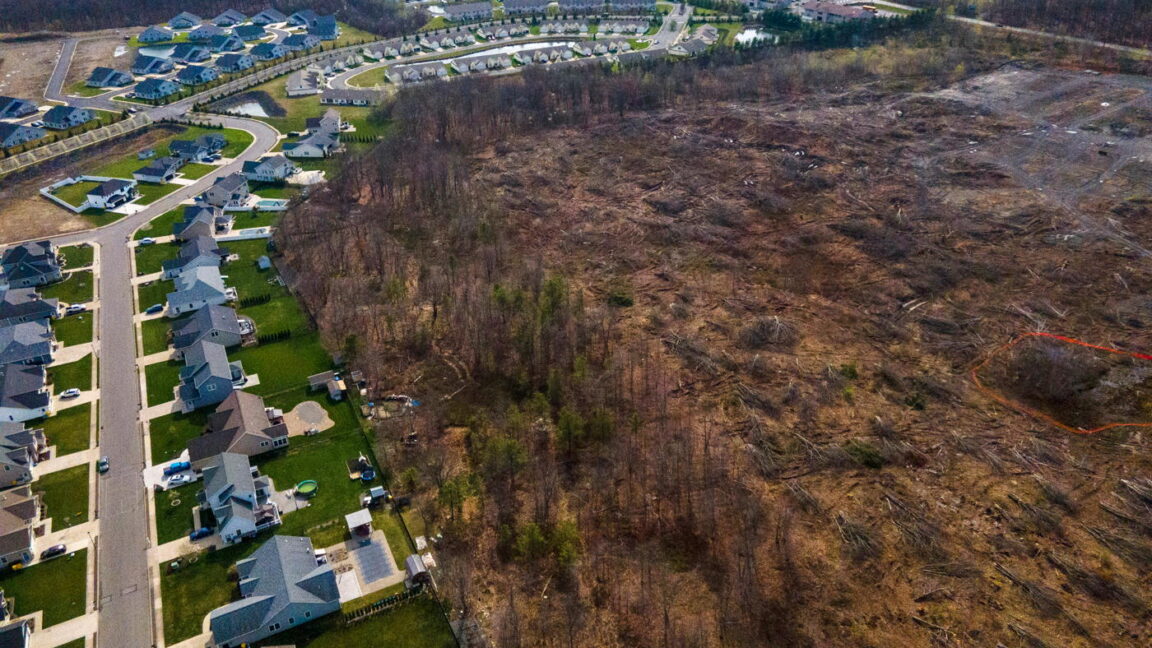
The convergence of these concerns—environmental degradation, economic burden, transparency failures, and community autonomy—demonstrates why data center opposition has gained momentum across Pennsylvania. What began as scattered complaints from individual communities has evolved into a coordinated movement that includes business owners, environmental advocates, farmers, and ordinary citizens who question whether unrestricted data center growth truly serves the public interest.
The town hall meeting itself reflected the scale and seriousness with which residents now approach this issue. The fact that over 200 people committed time to participate in a two-hour virtual meeting during the evening hours indicates the depth of concern permeating communities throughout the state. Such attendance figures suggest that this is no longer a niche environmental issue but rather a mainstream concern touching diverse demographic groups with varying interests and priorities.
Energy advocates present at the forum expressed particular alarm about the relationship between data center expansion and rising electricity costs for ordinary residents. They argued that massive data center operations, which require enormous amounts of continuous power to operate servers and cooling systems, place additional strain on Pennsylvania's electrical grid and drive up prices for everyone connected to the system. This argument reframes data center development from a purely economic opportunity into a question of economic justice and equitable resource distribution.
Water usage emerged as another critical flashpoint during the discussion, with speakers emphasizing that data centers require vast quantities of water for cooling purposes. In agricultural regions where water availability directly impacts farming operations, the introduction of massive data center facilities represents a potential threat to established livelihoods and food security. Some speakers drew explicit connections between data center water consumption and declining agricultural productivity in affected areas.
The noise pollution dimension of the controversy, while perhaps less frequently discussed than environmental impacts, received attention from residents living near existing or proposed data center sites. These individuals described the constant background hum of cooling equipment and mechanical systems as a quality-of-life degradation that no amount of economic benefit adequately compensates. The characterization of noise pollution as an overlooked but serious impact reveals how comprehensive the resident opposition has become.
Beyond these specific environmental and economic complaints, participants articulated broader concerns about what they termed rural industrialization driven by data center development. This framing suggests that residents view data centers not merely as another industrial facility but as a threat to rural character and community identity. The transformation of quiet countryside into industrial zones represents, in this perspective, a loss of something valuable that transcends measurable metrics.
The town hall's emergence as a significant event in the state's political and environmental discourse reflects shifting attitudes toward unchecked development. Pennsylvania residents are increasingly asserting that their concerns deserve serious consideration in policy-making processes, rather than being dismissed as obstacles to progress. The question of who benefits from data center development and who bears its costs has become central to the emerging political debate.
As Governor Shapiro continues to navigate this politically complex terrain, the town hall meeting serves as a clear signal that Pennsylvania residents expect substantive action on their concerns. Whether the state's leadership will adjust course in response to this mounting pressure remains uncertain, but the intensity of resident mobilization suggests that data center policy will remain a significant issue in Pennsylvania's political conversation for the foreseeable future.
Source: Ars Technica


