
Pet Insurance Cancelled: Woman Faces £8,000 Vet Bill

Discover how one pet owner was hit with an £8,000 vet bill after her insurer cancelled her policy. Thousands report rising costs and coverage issues.
A growing number of pet owners across the United Kingdom are voicing serious concerns about the state of the pet insurance industry, with many reporting unexpected policy cancellations and skyrocketing premiums. The BBC Your Voice initiative has received thousands of submissions from frustrated customers who have encountered significant issues with their pet insurance coverage, highlighting what experts describe as a troubling trend in the sector.
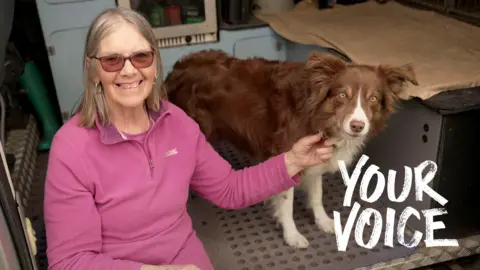
One particularly distressing case involves a pet owner who discovered she was left facing an astronomical £8,000 veterinary bill after her insurance provider terminated her policy without adequate warning or explanation. This shocking situation has become emblematic of the broader problems affecting pet insurance consumers, who often find themselves vulnerable when unexpected health issues arise for their beloved animals. The experience has prompted widespread discussion about the need for better regulation and transparency in the pet insurance marketplace.
According to feedback collected through BBC Your Voice, the primary complaints center around two critical issues: the dramatic increase in pet insurance costs and the inadequate nature of coverage provided by many providers. Customers report that premiums have risen substantially year-on-year, with some seeing increases of 50% or more, while simultaneously experiencing restrictions in what their policies actually cover.
The financial burden of unexpected pet healthcare expenses can be devastating for families who assumed they had adequate protection in place. When insurers cancel policies or deny claims, pet owners are forced to make impossible decisions about their animals' wellbeing. In many cases, these cancellations occur after an animal has been diagnosed with a serious condition, leaving owners to bear the full cost of treatment without the financial safety net they believed they had purchased.
Industry experts have suggested that the recent spike in insurance claim costs is partly responsible for the stricter underwriting practices and policy cancellations being reported. Veterinary treatments have become increasingly sophisticated and expensive, with advanced diagnostic procedures and specialized treatments now available for conditions that previously would have been untreatable. This has created a challenging environment for insurers attempting to balance profitability with customer expectations.
The transparency surrounding policy terms and conditions has emerged as another significant concern among pet owners. Many consumers report that the fine print in their insurance documents contained clauses they didn't fully understand, leading to disputes when claims were submitted or policies were cancelled. This lack of clarity has contributed to a breakdown in trust between consumers and the pet insurance industry.

Regulatory bodies and consumer protection agencies have begun investigating complaints about pet insurance practices more closely. These inquiries are examining whether companies are adequately disclosing terms, whether cancellations are being handled fairly, and whether premium increases are justified by actual claims data. Initial findings suggest that improvements in customer communication and transparency are urgently needed.
For pet owners currently shopping for insurance or reviewing their existing policies, experts recommend several key steps. First, read all policy documents carefully, paying particular attention to exclusions, excess amounts, and any conditions that might trigger cancellation. Second, compare quotes from multiple providers to ensure competitive pricing and suitable coverage levels. Third, consider whether a higher annual excess might be preferable to lower premiums if it means maintaining continuous coverage.
The experiences shared with BBC Your Voice reveal that many pet owners feel they have been treated unfairly by their insurers. Some report that they paid premiums for years without making claims, only to have their coverage cancelled when they finally needed it. Others describe situations where they were initially sold policies that appeared comprehensive but contained numerous hidden restrictions.
Industry advocates are calling for stricter insurance regulation and clearer guidelines about how pet insurance companies should communicate with customers. They argue that the current system disproportionately benefits large insurance corporations while leaving vulnerable pet owners exposed to catastrophic financial consequences. Some have suggested that mandatory coverage standards and maximum allowable premium increases could help protect consumers.
The impact of these insurance issues extends beyond individual financial hardship. Many pet owners report that fear of mounting veterinary bills causes them to delay seeking treatment for their animals' health problems, potentially resulting in worse outcomes and more expensive emergency interventions. This creates a paradox where those trying to prepare financially for pet healthcare emergencies end up worse off than those without insurance.
As the conversation around pet insurance quality and affordability continues to gain attention, more pressure is being placed on companies to reform their practices. Consumer groups are organizing campaigns to demand transparency, and policymakers are considering whether new legislation might be needed to protect pet owners. The stories emerging from BBC Your Voice demonstrate that reform cannot come soon enough for the thousands of families currently struggling with the realities of pet insurance in today's market.

Looking ahead, pet owners should remain vigilant when reviewing insurance options and be prepared to advocate for themselves when dealing with insurance providers. The path forward for the pet insurance industry will likely require collaboration between regulators, consumer advocates, and insurance companies to create a system that adequately protects animals while remaining financially sustainable for all parties involved.
Source: BBC News


