
Peter Molyneux's Failed Legacy: Players Lost Millions

Discover how Peter Molyneux's Legacy game left investors $54M poorer. Players reveal broken promises and failed NFT economy as new game launches.
This week, gaming enthusiasts and industry observers are watching as legendary designer Peter Molyneux returns to the spotlight with Masters of Albion, a modern take on the god game genre that carries a hefty $25 early access price tag on Steam. The veteran designer behind iconic franchises like Populous, Dungeon Keeper, and Black and White has publicly declared that this new title will be his final professional work in game development. However, the announcement of Molyneux's latest venture has reignited painful memories for thousands of players who invested heavily in his previous project, creating a complex narrative about promises, innovation, and financial loss in the gaming industry.
The shadow looming over Masters of Albion's launch is undeniably Molyneux's preceding game, Legacy, which attracted approximately $54 million in cryptocurrency investments from hopeful players seeking to participate in what was marketed as a revolutionary play-to-earn gaming experience. Players who participated in the early access phase described pouring substantial sums into non-fungible tokens, with some individuals investing thousands of dollars each, drawn by the promise of participating in an economically sophisticated simulation that would reward dedicated players with genuine financial gains. The vision presented by Molyneux, his development studio 22cans, and publishing partner Gala Games seemed to represent the future of gaming—a space where players could earn real income through gameplay.
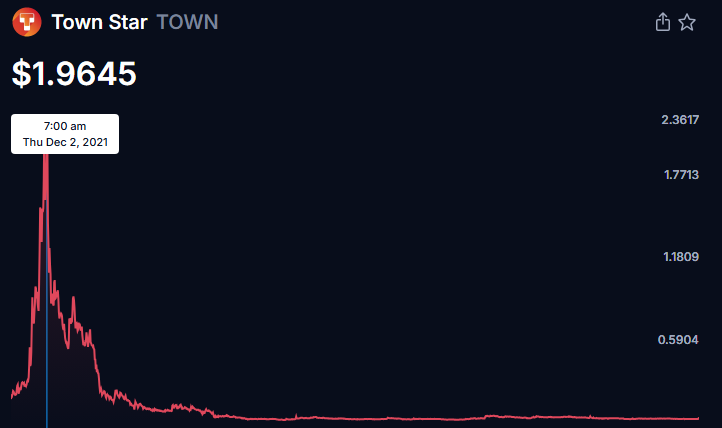
The reality that emerged when Legacy officially launched in 2023 proved dramatically different from the carefully crafted marketing promises. Players who invested their time and financial resources found themselves with a game that bore little resemblance to the ambitious vision that had captivated them. The NFT-based economy that was supposed to be groundbreaking and sustainable instead revealed fundamental structural flaws that made it unplayable and unrewarding for the majority of participants. Within weeks of the official release, the player base experienced a catastrophic exodus as users recognized they had invested in something far inferior to what had been promised.

Players who spoke candidly with gaming journalists described their experience with Legacy in terms ranging from disappointment to outright betrayal. Many accounts detail the systematic ways in which the game failed to deliver on its core promises, with the economic system proving so dysfunctional that it essentially discouraged continued play almost immediately after launch. The promised "best-in-class economic simulation" instead presented players with a system that appeared designed to fail, suggesting either a fundamental misunderstanding of game economy mechanics or a more troubling lack of proper development and testing before public release. These accounts paint a picture of a project that suffered from severe disconnect between marketing promises and actual development deliverables.
The crypto gaming phenomenon that surrounded Legacy's development and launch represented one of the most ambitious and controversial intersections of blockchain technology and mainstream gaming. In 2021, when Molyneux successfully raised $54 million in cryptocurrency for the project, it seemed to validate the concept that players would eagerly embrace blockchain-based games that offered genuine economic rewards. The timing appeared perfect, with cryptocurrency markets booming and mainstream interest in NFTs reaching fever pitch. However, the failure of Legacy to deliver on its promise has become emblematic of broader problems within the NFT gaming space, where technical limitations, economic design challenges, and oversold promises have frequently led to player disillusionment.

The involvement of Gala Games, a publisher specializing in blockchain-based gaming, added apparent legitimacy to the Legacy project. Gala Games positioned itself as a serious player in the emerging space of decentralized gaming platforms, and the partnership with Molyneux—a designer with decades of industry credibility—seemed to suggest that Legacy would be different from other failed cryptocurrency gaming ventures. The publisher's reputation and resources were expected to provide the infrastructure necessary to support the complex economic systems that Molyneux had envisioned. Unfortunately, this combination failed to deliver the promised result, raising questions about both the feasibility of play-to-earn game design at scale and the adequacy of oversight when attracting massive investments from retail players.
Financial analysts examining the Legacy collapse have pointed to several contributing factors beyond simply poor game design. The volatility of cryptocurrency markets meant that even if the game had functioned as promised, the real-world value of earned tokens would have fluctuated wildly, making the promised income unreliable. Additionally, the absence of proper economic modeling and testing before launch suggests that the development team may have underestimated the complexity of creating a functioning blockchain-based economy within a consumer video game. These systemic issues, combined with the game's technical limitations and lack of engaging gameplay, created a perfect storm that led to rapid player abandonment.
The timing of Masters of Albion's announcement and launch in the aftermath of Legacy's failure creates an interesting dynamic for Peter Molyneux's final game. Some industry observers view the new project as an opportunity for Molyneux to restore his reputation by delivering a quality gaming experience that focuses on pure game design rather than blockchain mechanics. Others see it as potentially exploitative, asking players to trust the designer with their money once again despite the recent history of broken promises. The fact that Molyneux has declared this will be his last game adds another layer of complexity to public perception and player sentiment.
Industry experts have noted that the Legacy failure represents a cautionary tale not just for blockchain gaming enthusiasts, but for the entire concept of raised-expectation gaming projects that attract investment before sufficient development and proof-of-concept work has been completed. The gap between what was promised and what was delivered stands as a stark example of how marketing can sometimes outpace technological capability and design competence. This disconnect has broader implications for how the gaming industry approaches fundraising, development transparency, and player communication about ongoing projects.

For the thousands of players who lost substantial sums on Legacy, Masters of Albion's emergence presents a complex emotional landscape. Some feel betrayed and are unlikely to engage with Molyneux's future work regardless of its quality. Others remain hopeful that the legendary designer can deliver on his promise that this final project will represent his redemption. The cryptocurrency community, which largely promoted and celebrated Legacy before its launch, has become more cautious and skeptical, with many observers treating new blockchain gaming ventures with significantly more scrutiny than they did just a few years ago.
As Masters of Albion enters early access with its $25 price point, the gaming community watches to see whether Molyneux can rehabilitate his reputation through solid game design and delivery on promises. Whether this final project can succeed where Legacy catastrophically failed remains to be seen, but the painful lessons of the previous venture will undoubtedly color how players, investors, and industry observers approach this latest endeavor from one of gaming's most controversial creative figures.
Source: Ars Technica


