
Peter Molyneux's Final Game: AI and Industry Evolution

Legendary game creator Peter Molyneux discusses Masters of Albion as his final project, reflecting on AI's impact and the gaming industry's transformation.
Peter Molyneux, the visionary British game designer who revolutionized the industry with groundbreaking titles like the Fable series, has revealed that his upcoming project Masters of Albion will mark the conclusion of his legendary career in game development. This announcement comes at a pivotal moment in the gaming landscape, as the industry grapples with rapid technological advancement and fundamental shifts in how games are created and experienced by players worldwide.
The acclaimed developer, known for his innovative approach to game design and ambitious storytelling, has spent decades pushing the boundaries of what interactive entertainment can achieve. From the medieval fantasy worlds of his early work to the intricate systems he pioneered in strategy and simulation games, Molyneux's influence has shaped the expectations and possibilities that define modern gaming. His decision to make Masters of Albion his final creation signals both a momentous turning point in his career and raises intriguing questions about what drives a legendary creator to step back from the medium they've dedicated their life to.
In discussing his perspective on the future of gaming, Molyneux has been candid about artificial intelligence and its transformative potential within the industry. The evolution of AI technology presents both unprecedented opportunities and significant challenges for developers like himself, who have always sought to create more immersive, responsive, and adaptive gaming experiences. His reflections on this technological shift provide valuable insight into how seasoned professionals view the intersection of cutting-edge technology and creative game design.

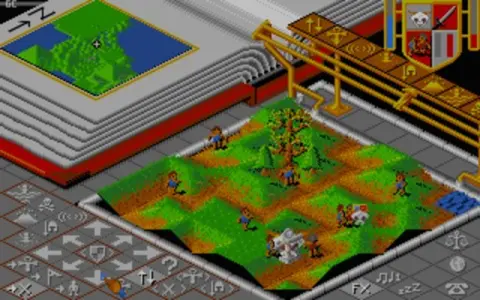
Throughout his career, Molyneux has demonstrated an uncanny ability to anticipate industry trends and consumer desires before they became mainstream phenomena. His work on titles including Black & White, Populous, and Theme Park established him as a visionary capable of conceptualizing entirely new game genres and mechanics. These games weren't merely successful commercially; they fundamentally altered how developers approached game design philosophy and player interaction, inspiring countless industry professionals to think more ambitiously about their craft.
The gaming landscape has undergone dramatic transformations since Molyneux first entered the industry. What was once a niche hobby has evolved into a global entertainment juggernaut, rivaling film and television in revenue and cultural significance. The platforms available to developers have multiplied exponentially, from console-based gaming to mobile devices to emerging virtual reality technologies. This evolution has created both opportunities for innovation and pressures that can strain even the most experienced creative minds.
Molyneux's comments on AI in gaming reflect a thoughtful consideration of how machine learning and neural networks might enhance player experiences. Rather than viewing AI as a threat to human creativity, he appears to position it as a tool that could enable developers to craft more nuanced, responsive non-player characters and more dynamic game worlds that adapt intelligently to player behavior. This perspective demonstrates the kind of forward-thinking mindset that has characterized his entire career, always seeking to expand the medium's expressive possibilities.
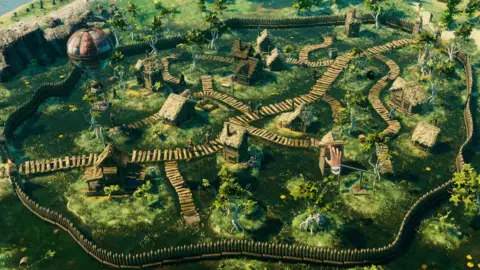
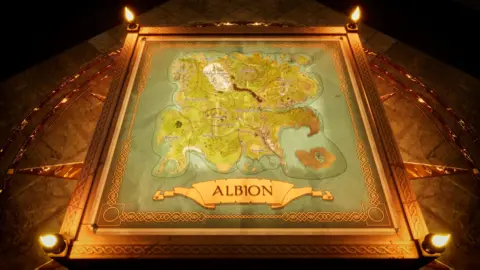
The announcement regarding Masters of Albion as his final project has generated considerable speculation within the gaming community about what the game might represent thematically or mechanically. Given Molyneux's track record of creating games that reflect broader philosophical questions about humanity, society, and morality, it's reasonable to expect that this final creation will encapsulate many of the themes and ideas that have preoccupied him throughout his career. The title itself evokes echoes of Albion, a legendary name for Britain, suggesting the game may feature ambitious world-building and fantasy elements that have long been central to his design philosophy.
Industry observers have noted that Molyneux's decision to step back comes at a time when the gaming industry itself faces significant pressure and scrutiny. Issues surrounding crunch culture, workplace conditions, and the sustainability of current development practices have dominated recent industry conversations. For a creator of Molyneux's stature to announce his retirement from active development sends a message worth considering about the physical and creative toll that ambitious game creation demands from developers.
The relationship between game design innovation and personal fulfillment appears central to understanding Molyneux's trajectory. His career has been marked not by a desire to chase financial success or commercial trends, but rather by an authentic passion for exploring new creative possibilities within interactive media. Making games, for Molyneux, has never been simply about business metrics; it's been about the fundamental question of what games can mean, what they can teach us, and how they can move players emotionally and intellectually.
Looking at the broader gaming industry context, Molyneux's reflections on change are particularly pertinent. The industry has witnessed consolidation, with major studios absorbing smaller creative teams, and significant shifts toward live-service models and online multiplayer experiences. These developments have fundamentally altered the relationship between developers and players, as games increasingly operate as ongoing services requiring constant updates and engagement rather than discrete, complete artistic statements. Molyneux's generation of developers, shaped in an era when games were typically self-contained artistic works, may find these new paradigms philosophically challenging.
The technological infrastructure supporting game development has also evolved dramatically. Game development tools have become increasingly sophisticated and accessible, lowering barriers to entry for new creators while simultaneously increasing player expectations regarding graphical fidelity and technical complexity. This paradox creates interesting dynamics within the industry, where small independent teams can now achieve visual quality previously possible only for large studios, yet the cost and complexity of meeting contemporary player expectations continues to escalate.
Molyneux's contemplation of artificial intelligence in gaming extends beyond mere technical implementation. His comments suggest deeper philosophical questions about what role human creativity and authored narrative should play in games increasingly powered by algorithmic content generation. Can AI-generated content maintain the emotional resonance and intentional design philosophy that characterize his most memorable works? These questions don't have easy answers, but they're precisely the kind of complex creative challenges that have captivated Molyneux throughout his career.
The legacy that Molyneux will leave through his entire body of work extends far beyond the individual games he's created. He has demonstrated to generations of developers that games can be vehicles for serious creative expression, platforms for exploring complex ideas, and mediums capable of creating profound emotional connections with audiences. His willingness to take risks, to fail publicly, and to continuously push creative boundaries has earned him respect even when individual projects didn't achieve commercial success or critical acclaim.
As the gaming industry continues its rapid evolution, the perspectives of veteran creators like Molyneux become increasingly valuable. Their firsthand experience of how the medium has transformed, combined with their understanding of what drives meaningful game creation, provides context that pure innovation-focused thinking sometimes lacks. The decision to make Masters of Albion his final project represents not an ending so much as a punctuation mark on an extraordinary creative journey that has fundamentally shaped interactive entertainment.
The future will likely reveal whether Molyneux's decision to step back from game development represents a permanent retirement or perhaps a transition into different roles within the creative industries. Regardless, his contributions to gaming are already secured in history, and his insights on artificial intelligence, industry change, and creative practice will continue informing discussions about where games are heading for years to come.
Source: BBC News


