
Philippine Transport Workers Revolt Over Surging Fuel Prices

Crippling transport strikes erupt in the Philippines as workers protest skyrocketing fuel costs, while a Russian oil tanker arrives amid the crisis.
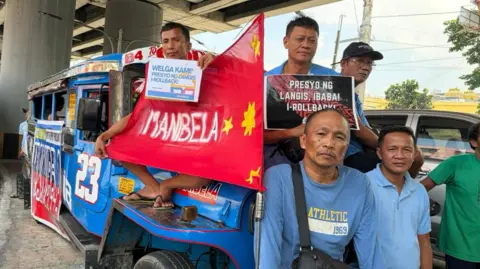
Filipino transport workers have launched a massive strike across the Philippines, bringing the country's public transit systems to a grinding halt. The crippling protests come in response to the soaring fuel prices that have squeezed the livelihoods of millions of drivers, operators, and logistics workers.
The strikes, which have disrupted bus, jeepney, and other forms of public transportation, were triggered by the arrival of a ship carrying barrels of Russian crude oil earlier this week. This shipment has exacerbated the already dire cost-of-living crisis gripping the nation, as the influx of Russian oil has further inflated domestic fuel prices.

"We are being choked by the high fuel prices," said Mody Floranda, the president of the Transport Federation. "Our drivers and operators can barely make ends meet. This strike is our way of calling attention to the suffering of the Filipino people."
The transport sector plays a vital role in the Philippines' economy, with millions of citizens relying on buses, jeepneys, and other public vehicles for their daily commutes. The ongoing strikes have caused widespread disruption, leaving many workers and students stranded without reliable transportation.
The Philippine government has faced mounting pressure to address the fuel price crisis, with calls for subsidies, tax cuts, and other interventions to provide relief to struggling workers. However, the arrival of the Russian oil shipment has further complicated the situation, as the government must balance its international relationships with the pressing needs of its citizens.
"This is a critical moment for the Philippines," said transportation analyst Jenna Reyes. "The government must act quickly to alleviate the burden on transport workers and commuters, or risk further unrest and economic disruption."

As the strikes continue, the future of the Philippines' public transportation system remains uncertain, with both workers and the government facing difficult decisions in the face of this ongoing energy and economic crisis.
Source: BBC News


