
Philippines Declares 'National Energy Emergency' Amid Iran War Disruption

Philippines boosts coal power and tackles fuel hoarding as Middle East conflict disrupts gas shipments and energy supply
Philippines President Ferdinand Marcos has declared a state of "national energy emergency" in response to the ongoing Middle East war, which his administration says poses "an imminent danger of a critically low energy supply" for the country.
The state of emergency, initially set to last for a year, was announced just hours after the country's energy secretary revealed that the Philippines plans to increase the output of its coal-fired power plants to keep electricity costs down as the war disrupts critical gas shipments.
This declaration allows officials to address any issues of fuel hoarding or profiteering within the energy sector, as the government seeks to stabilize the nation's power supplies amidst the global energy crisis triggered by the ongoing conflict in the Middle East.
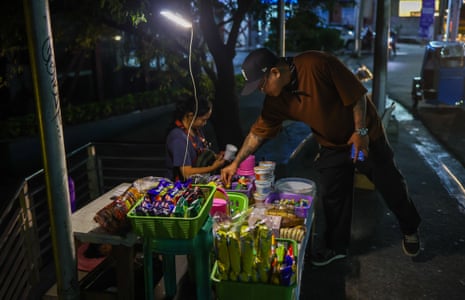
The move comes as part of the Philippines' broader strategy to lean more heavily on coal to meet its energy needs, a shift that reflects the growing pressure on governments worldwide to find alternative sources of power generation in the face of disruptions to natural gas and other traditional fuel supplies.
"We need to take decisive action to ensure our people have access to reliable and affordable electricity," said the energy secretary. "By increasing coal production, we can help offset the impact of the Middle East crisis on our energy security."
Critics have raised concerns about the environmental impact of the Philippines' renewed focus on coal, but government officials argue that it is a necessary short-term measure to address the immediate energy crisis. They have pledged to continue investing in renewable energy sources, such as solar and wind power, to diversify the country's energy mix in the long run.
The declaration of a national energy emergency underscores the far-reaching consequences of the ongoing conflict in the Middle East, which has sent oil and gas prices soaring and disrupted global energy supply chains. As the war grinds on, governments around the world are being forced to make difficult decisions to ensure their citizens have access to reliable and affordable power.
Analysts say that the Philippines' move to boost coal production is a pragmatic response to the immediate crisis, but they caution that the country must balance its short-term energy needs with its long-term sustainability goals. The government will need to carefully monitor the situation and be prepared to adjust its strategy as the global energy landscape continues to evolve.
Source: The Guardian


