
Pilot Recounts Dramatic Atlantic Crash Landing With 10 Aboard

Pilot shares harrowing account of emergency landing in Atlantic Ocean. Eleven survivors rescued by US Air Force after five hours on life raft off Florida coast.
In a remarkable tale of survival against the odds, a pilot has recounted the dramatic crash landing that left his aircraft disabled in the Atlantic Ocean with ten other people aboard. The harrowing incident, which unfolded off the coast of Florida, tested the crew's training, composure, and will to survive as they faced the vast and unforgiving waters of the Atlantic. The pilot's detailed account of the emergency provides insight into the split-second decisions and coordinated efforts that ultimately saved all eleven lives on board the doomed aircraft.
The aircraft encountered critical mechanical failure during its flight, forcing the pilot to make an immediate decision about ditching in the ocean rather than attempting to reach an airport. With limited time and deteriorating conditions, the pilot demonstrated exceptional skill and composure in executing what aviation experts consider one of the most dangerous emergency procedures. The decision to ditch in the ocean, while seemingly catastrophic, proved to be the correct course of action that would eventually lead to the survival of every person aboard the aircraft.
Following the emergency landing in the Atlantic, all eleven survivors were able to evacuate to a life raft, where they would spend the next several hours awaiting rescue. The group faced challenging conditions while stranded on the open water, including exposure to the elements and the psychological toll of being adrift at sea. Despite these hardships, the crew maintained discipline and worked together to ensure everyone remained calm and focused on survival until help arrived.
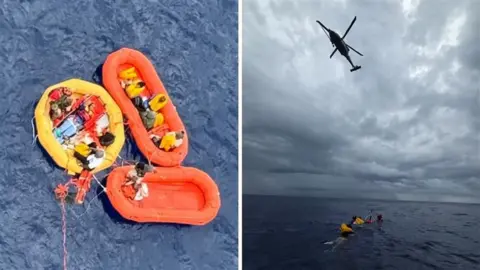
The rescue operation was executed by the US Air Force, which responded swiftly to the distress call and located the survivors on their life raft after approximately five hours in the water. The coordinated response demonstrated the effectiveness of maritime rescue protocols and the dedication of military personnel trained for these critical situations. The Air Force team's quick location and successful retrieval of all survivors highlighted the importance of proper communication systems and emergency procedures in aviation safety.
When reflecting on the incident, the pilot emphasized the critical role that training played in everyone's survival. "We didn't die," the pilot stated matter-of-factly, underscoring the reality that proper preparation, quick thinking, and teamwork had combined to prevent what could have easily become a tragedy. The pilot's experience and the crew's adherence to emergency protocols meant that despite the aircraft being lost, human lives were preserved through decisive action.
The incident has sparked renewed conversations within the aviation industry about water ditching procedures and how pilots can best prepare for emergency landings on water. Many aviation experts point to this case as a textbook example of proper execution during a crisis situation. The pilot's calm demeanor and ability to maintain control of the aircraft during the critical moments of ditching are qualities that flight training programs emphasize and continuously reinforce.
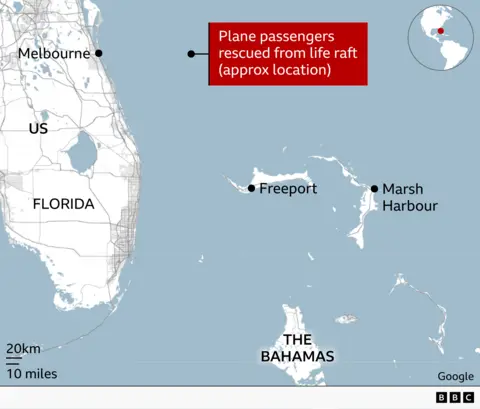
The survivors' experience also highlights the importance of life raft protocols and survival equipment on aircraft. Each passenger and crew member aboard was equipped with appropriate safety gear, and everyone knew the procedures for evacuation and use of life-saving equipment. This preparation proved invaluable during the five-hour wait for rescue, as it ensured that all eleven people remained protected from the ocean environment as much as possible.
Medical evaluations conducted after the rescue determined that all survivors were in remarkably good condition given the circumstances of their ordeal. While some suffered minor injuries and exposure-related issues, there were no critical or life-threatening conditions that required extended hospitalization. The quick response from the US Air Force rescue team ensured that the survivors were brought to safety before any serious medical complications could develop from prolonged exposure to ocean conditions.
The incident has also reignited discussions about the remarkable resilience of modern aircraft and the safety systems built into commercial and private aviation. Despite the catastrophic failure that necessitated ditching the plane, the aircraft remained afloat long enough for all occupants to evacuate safely to the life raft. This speaks to the engineering principles and design standards that govern aircraft construction and the multiple redundancies built into critical systems.
The pilot's willingness to share details of the crash and rescue has provided valuable information to aviation safety investigators and researchers studying emergency response procedures. The firsthand account of what occurred during those critical moments can help improve training programs and potentially save lives in future aviation emergencies. Investigators have conducted thorough examinations of the aircraft wreckage and reviewed all communication records to understand exactly what mechanical failure precipitated the emergency.
Family members of the survivors expressed profound gratitude for the pilot's decisive actions and the rapid response from the US Air Force rescue team. Many relatives described feeling their fear transform into relief as news came that all eleven people had been successfully rescued and were safe. The incident reinforced for many people the importance of aviation safety standards and the dedication of professionals who work tirelessly to protect those who travel by air.
As the investigation into the aircraft's mechanical failure continues, aviation authorities are examining whether any design modifications or maintenance improvements could prevent similar incidents in the future. The safety investigation represents standard procedure following any aircraft accident or emergency landing, ensuring that lessons learned are applied across the entire aviation industry. Engineers and safety experts are analyzing every detail of the aircraft's systems to identify root causes and recommend corrective actions.
The story of survival has inspired many in the aviation community and beyond, serving as a powerful reminder that training, preparation, and quick thinking can overcome even the most dire circumstances. The pilot's calm recounting of the event, beginning with the simple but profound statement "We didn't die," captures the essence of human perseverance when facing unexpected danger. As investigations conclude and aviation safety recommendations are formalized, this remarkable incident will likely serve as a case study in flight training programs for years to come, helping prepare future pilots for similar emergency situations.
Source: BBC News


