
Poet Laureate Fired: Greene County's Art Controversy

Esther Cohen was removed as Greene County poet laureate weeks after appointment. Experts say it reflects a broader assault on the arts and cultural institutions.
In the rolling hills of upstate New York's Greene County, a quiet controversy has unfolded that many say speaks volumes about the current state of artistic freedom in America. Esther Cohen, an accomplished poet who had recently been appointed as the county's first-ever poet laureate, was abruptly removed from the position just weeks after taking on the role. The sudden dismissal has sparked heated debate about censorship, cultural values, and the vulnerability of the arts in rural communities.
Cohen's connection to Greene County stretches back nearly four decades. In 1985, the poet, her husband, and two close friends made the decision to purchase a home in the bucolic region, located approximately 120 miles north of New York City. At the time, their realtor expressed serious reservations about the move, warning them that the area was too "wild" and fundamentally different from their established lifestyle in Manhattan. For Cohen, however, this cautionary tale only reinforced her conviction that Greene County was precisely where she needed to be.
A lifelong resident of a rent-stabilized apartment on the Upper West Side since 1973, Cohen had grown deeply attached to urban life and the vibrant cultural ecosystem of New York City. Yet she also felt constrained by the homogeneity of her social circle—a tight-knit community of leftist and liberal Jewish urbanites who shared similar worldviews and backgrounds. The prospect of Greene County offered something she craved: genuine cultural and ideological diversity, along with natural beauty and breathing room for creative work. "I love the city," Cohen explained during an interview conducted in her Manhattan apartment, "but I also wanted an escape."

Greene County itself carries significant historical weight in American cultural history. As the birthplace of the Hudson River School of Art—a pivotal movement in American landscape painting—the region has long held a special place in the nation's artistic heritage. The county boasts spectacular natural features: cascading waterfalls, sweeping vistas of the Hudson River, and the majestic Catskill Mountains that have inspired generations of artists, writers, and creators. For someone like Cohen, seeking solitude and inspiration for her literary work, the location seemed almost predestined.
What distinguished Cohen's integration into Greene County life was her active approach to building community. Rather than remaining isolated or maintaining the social distance that sometimes characterizes urban transplants, she immediately began reaching out to her new neighbors. "I went to the farmer's wife at the farm stand nearby and said, 'I want to have a potluck. Will you come and host it with me?'" Cohen recalled. This simple gesture evolved into a cherished summer tradition that has continued for nearly four decades. These potlucks became legendary gatherings that drew a diverse cross-section of the community—long-time residents, seasonal visitors, artists, farmers, and families of all backgrounds.
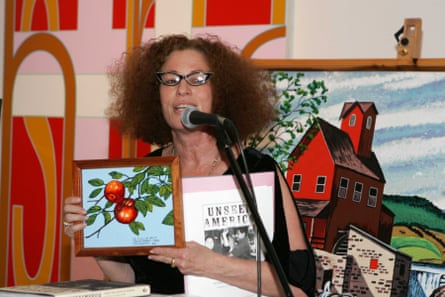
The atmosphere Cohen cultivated at these events reflected her fundamental values. "Everyone comes who is around," she said. "And everyone is welcome." This ethos of radical inclusivity and unconditional hospitality became a hallmark of her presence in the community. Over decades, Cohen established herself not merely as a resident, but as a genuine member of the fabric of Greene County life—someone who bridged divides and created spaces where different people could gather, share food, and connect across their differences.
Against this backdrop of established community ties and cultural contribution, the Greene County government took a significant step in January. Create, a local arts council partly funded by the Greene County legislature, made the historic decision to appoint Cohen as the county's first-ever poet laureate. The appointment represented a validation of her decades of artistic work and her deep roots in the community. It seemed a natural recognition of her status as both a serious literary artist and a beloved community figure.
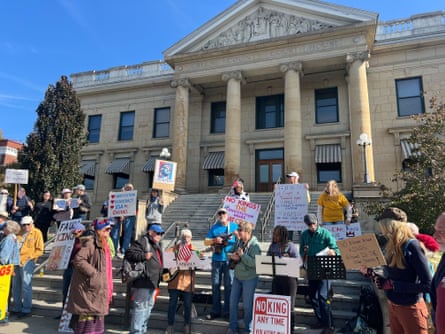
However, the celebration proved to be devastatingly short-lived. Within just a few weeks of her appointment, Cohen was informed that she was being removed from the position. The sudden reversal stunned both Cohen and her supporters throughout Greene County. The precise reasons for her dismissal were not immediately made clear, but the announcement triggered immediate questions about what could have prompted such an abrupt decision regarding someone with such deep community roots and artistic credentials.
The swift termination has ignited broader conversations about the state of artistic freedom and cultural institutions in contemporary America. Cultural commentators and arts advocates have framed the incident as emblematic of a larger, more troubling pattern. "This is emblematic of the assault on the arts writ large," some observers have noted. The removal of Greene County's poet laureate is being interpreted as part of a wider phenomenon in which artistic expression, particularly in rural and conservative areas, faces increasing pressure and restriction.
The implications extend beyond Cohen's personal situation to raise fundamental questions about how communities value their artists, how artistic institutions operate in politically divided regions, and whether poets and creative voices have genuine security and freedom in their work. Rural communities, which often lack the robust cultural infrastructure of urban centers, face particular challenges in supporting and protecting artistic endeavors. When a historic first—the appointment of a poet laureate—ends in controversy and dismissal, it sends a troubling message about priorities and values.
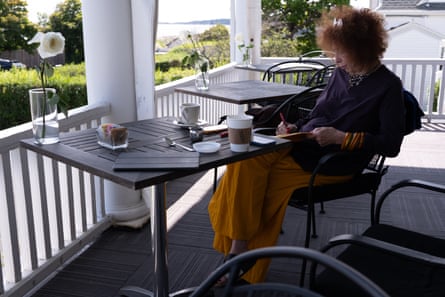
For Cohen herself, the experience represents a profound disappointment after decades of genuine community engagement and artistic contribution. Having invested nearly forty years in Greene County, having built meaningful relationships across ideological and cultural lines, and having consistently demonstrated a commitment to bringing people together, she now finds herself unexpectedly cast out from a role that seemed to honor exactly these qualities. The reversal raises difficult questions about the fragility of cultural positions and the vulnerability of artists, even those with deep community roots, to sudden political or ideological shifts.
The Greene County poet laureate controversy stands as a cautionary tale about the state of arts funding and cultural support in American communities. It underscores how quickly institutional support for artists can evaporate, how vulnerable cultural positions can be to pressure from various quarters, and how even beloved community members with decades of positive engagement can find themselves suddenly marginalized. As the arts continue to face scrutiny and budgetary pressures across the country, the experience of Esther Cohen serves as a stark reminder of what is at stake.
Source: The Guardian


