
Police Face Storage Crisis Over Seized Illegal Cigarettes

Australian police struggle with overflowing storage facilities and soaring destruction costs as illegal cigarette and vape seizures reach record levels amid booming black market.
Law enforcement agencies across Australia are confronting an unprecedented challenge as their secure storage facilities reach maximum capacity, unable to accommodate the rapidly accumulating stockpile of illegal cigarettes and vapes seized from criminal networks. The crisis has exposed critical vulnerabilities in the nation's infrastructure for managing confiscated contraband, raising serious questions about resource allocation and long-term storage solutions for seized illicit products.
The Australian federal police has been grappling with escalating destruction costs, spending as much as $13 per kilogram to properly dispose of vaping devices. This represents a significant financial burden on already stretched law enforcement budgets, particularly when considering the sheer volume of products being intercepted. The destruction process itself has become increasingly complex and labor-intensive, with many companies requiring individual components—including cartridges, batteries, and heating elements—to be manually dismantled before proper disposal can occur.
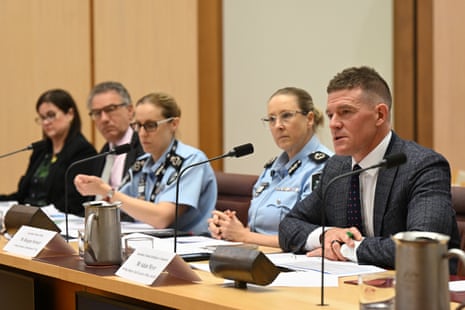
An official inquiry into the expanding black market for tobacco products has revealed the true extent of the storage and disposal crisis affecting police departments nationwide. The investigation uncovered that secure facilities designated for storing seized contraband are operating at or beyond their maximum capacity, creating an urgent need for alternative solutions and additional infrastructure investment. This bottleneck in the evidence management system is hampering ongoing investigations and prosecutions of smuggling operations.
The growth of illicit trade in tobacco products has exploded in recent years, driven by substantial price differentials between legal and black market cigarettes. Criminal syndicates have recognized the enormous profit potential in smuggling contraband tobacco into Australia, where excise taxes and regulatory compliance costs make legitimate products significantly more expensive than elsewhere. This economic incentive has created a well-organized, sophisticated black market that continues to thrive despite enforcement efforts.
Vaping products represent a particularly troublesome category within the seizure crisis, as their complex construction makes destruction both time-consuming and costly. Unlike traditional cigarettes, which can be processed more straightforwardly, electronic vaping devices contain hazardous materials including lithium batteries and chemical-laden cartridges that require specialized handling and disposal procedures. Each device must be carefully disassembled to ensure safe and environmentally compliant destruction, adding layers of complexity and expense to the process.
The financial implications of managing seized contraband have become increasingly untenable for law enforcement agencies struggling with budget constraints. With destruction costs consuming significant portions of operational budgets, some departments have been forced to deprioritize other enforcement activities or delay the processing of seized materials. The $13-per-kilogram destruction fee for vapes, when multiplied across thousands of confiscated devices, quickly escalates into substantial expenditures that strain already limited resources.
Storage facility limitations have created a cascading effect throughout the criminal justice system, affecting evidence management protocols and investigation timelines. Police cannot safely dispose of seized materials due to cost constraints, yet they lack adequate space to continue storing accumulated inventory, creating a deadlock situation that threatens operational efficiency. Some jurisdictions have resorted to temporary outdoor storage arrangements or leasing additional private warehouse space, further straining already tight budgets.
The inquiry into illegal tobacco markets has recommended comprehensive policy reforms to address both the root causes of illicit trade and the infrastructure challenges it creates for enforcement agencies. Recommendations include increasing funding for destruction services, investing in more efficient processing technologies, and implementing stricter penalties for smuggling operations to deter criminal networks. Additionally, experts have called for international cooperation to disrupt supply chains at their source, preventing contraband from entering the country in the first place.
Criminal networks engaged in tobacco smuggling operate with remarkable sophistication, utilizing established distribution networks and exploiting weaknesses in border security and port surveillance systems. These operations generate substantial profits that fund other criminal enterprises and contribute to organized crime's overall economic power. The sheer volume of illegal products being successfully smuggled into Australia indicates that current enforcement approaches are insufficient to combat the scale of the problem.
The health and regulatory implications of this burgeoning black market extend far beyond law enforcement concerns, affecting public health initiatives and tobacco control programs. Unregulated vaping products, in particular, raise significant safety concerns, as consumers purchasing these items from illicit sources have no assurance regarding product composition, nicotine concentration, or manufacturing standards. This lack of oversight creates potential health risks for users and complicates public health messaging about tobacco alternatives.
International dimensions of the illicit cigarette trade require coordinated responses across national borders, as smuggling networks operate transnationally with sophisticated logistics and corruption networks. Australian authorities have been engaging with international partners to improve intelligence sharing and coordinate enforcement operations against major trafficking organizations. However, the persistence and expansion of these operations suggest that current international frameworks may be insufficient to address the challenge.
The storage crisis represents a critical juncture for Australian law enforcement, demanding urgent attention from policymakers and government officials responsible for allocating resources to police operations. Without substantial investment in infrastructure, destruction capacity, and enforcement capabilities, the accumulated backlog of seized contraband will continue to grow while criminal networks expand their operations. The situation underscores the need for comprehensive, multifaceted approaches that address both immediate operational challenges and longer-term market disruption strategies.
Moving forward, successful resolution of this crisis will require sustained political commitment, adequate funding allocation, and innovative approaches to both enforcement and destruction logistics. The inquiry findings provide a roadmap for necessary reforms, but implementation will depend on coordination between federal and state authorities, as well as private sector partners capable of delivering destruction services at scale. Until these systemic issues are addressed, Australian police will continue struggling with the consequences of an increasingly sophisticated and profitable illicit market.
Source: The Guardian


