
Polish Ex-Minister Flees to US After Hungary Asylum

Former justice minister Zbigniew Ziobro has fled Hungary to the United States after being granted asylum. He faces multiple criminal charges in Poland.
Zbigniew Ziobro, Poland's former justice minister, has confirmed his departure from Hungary to the United States, marking a significant development in an ongoing legal saga that has captivated Central European politics. The controversial political figure, who has been accused of leading an organised criminal enterprise and abuse of power in his home country—allegations he steadfastly denies—made the announcement on Sunday through his communications with rightwing Polish broadcaster Republika, revealing that he arrived in America the previous day.
The former minister's departure represents a dramatic escalation in his legal troubles and international relocations. After initially seeking refuge in Hungary under the government of Viktor Orbán, who granted him asylum last year, Ziobro has now taken the additional step of relocating further westward to North America. In his statement to the broadcaster, Ziobro emphasized that his arrival in the United States marked his third occasion visiting the country, suggesting he may have established prior connections or conducted preliminary reconnaissance before making the permanent relocation.
The circumstances surrounding Ziobro's initial departure from Poland and subsequent asylum in Hungary remain a subject of intense scrutiny among legal experts, political analysts, and human rights organizations. His decision to seek protection in Hungary, a country with its own controversial relationship with democratic norms and judicial independence, raised questions about the geopolitical dimensions of his case and the potential political motivations underlying Orbán's decision to grant asylum.
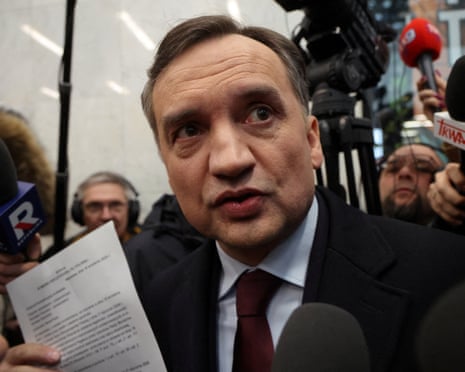
The charges against Ziobro in Poland are multifaceted and serious, encompassing allegations related to his tenure as justice minister during a period marked by significant constitutional and judicial controversies in the country. Polish authorities have pursued multiple criminal investigations into his conduct, with prosecutors alleging that he abused his power and potentially engaged in activities consistent with leading an organised criminal enterprise. These charges carry substantial legal consequences, and the Polish judicial system has been actively seeking his extradition and prosecution.
Prime Minister Donald Tusk's government in Poland has been particularly vocal about pursuing accountability for actions taken during the previous administration, in which Ziobro served as a prominent and influential figure. His role in judicial reforms that many critics argued undermined judicial independence has been a focal point of investigations and public discourse. The government's determination to prosecute Ziobro reflects broader efforts to address what many view as institutional abuses committed during the preceding political period.
The asylum granted by Hungary's government under Viktor Orbán's leadership was surprising to many observers given Hungary's own precarious democratic standing and ongoing disputes with the European Union over rule of law concerns. Orbán's government has frequently positioned itself as a defender against what it characterizes as foreign interference and pressure, and its willingness to grant asylum to a politically controversial figure from a neighboring country aligned with this narrative. However, the decision also reflected the complicated political dynamics within Central Europe and the broader tensions between different member states of the European Union.

Ziobro's decision to relocate to the United States may indicate several possible motivations and considerations. The move could represent an attempt to distance himself further from European legal jurisdiction and pursue a strategy of remaining beyond the reach of Polish and European extradition mechanisms. Additionally, the United States, with its large Polish diaspora community and relatively permissive immigration policies for individuals fleeing persecution claims, may have seemed an attractive destination. The political environment in the United States, particularly during certain administrations, has been characterized by a more skeptical approach toward international legal cooperation and extradition requests.
The timing of Ziobro's departure from Hungary to the United States also warrants examination in the context of Hungary's evolving relationship with the broader European community. Recent political developments in Hungary and shifting international dynamics may have created circumstances where remaining in Hungary became less advantageous or secure for the former minister. The statement attributed to Prime Minister regarding Hungary's unwillingness to protect individuals wanted in other jurisdictions suggests a potential change in the government's position or public stance regarding Ziobro's presence within the country.
The international implications of Ziobro's continued flight from justice are substantial and extend beyond Poland's borders. His case raises important questions about extradition law, asylum policies, and the willingness of different nations to cooperate in prosecuting individuals accused of serious crimes. The situation highlights tensions between national sovereignty and international legal mechanisms, as well as the challenges posed by fugitive political figures who leverage diplomatic relationships and international law to evade accountability.
Poland's political establishment has responded with varying degrees of concern and frustration to Ziobro's continued evasion. The government has indicated its commitment to pursuing accountability through all available legal channels, including potential international cooperation mechanisms and extradition treaties. However, the practical limitations of enforcing accountability across international borders, particularly when dealing with a fugitive who has relocated to jurisdictions with limited cooperative agreements, present significant challenges.
Ziobro's case also reflects broader patterns of political conflict and polarization within Poland that have characterized the country's politics in recent years. His tenure as justice minister was marked by significant controversy, with supporters viewing him as a necessary reformer and critics arguing he undermined judicial independence and committed serious abuses of power. These fundamental disagreements about his legacy and actions continue to define discussions surrounding his case.
The former minister's admission that he has visited the United States on multiple previous occasions suggests a degree of premeditation in his current relocation. This pattern of behavior raises questions about how long he may have been planning his departure from Hungary and what specific circumstances or developments prompted him to accelerate his timeline. His familiarity with the United States and apparent comfort operating within the country indicate he likely has established networks and support structures in place.
The broader implications for international justice and accountability remain significant. Ziobro's apparent success in evading prosecution through geographic relocation challenges the effectiveness of international legal mechanisms and raises questions about whether individuals with financial resources and political connections can systematically circumvent justice systems. The case serves as a cautionary example of how asylum policies and international law, while essential for protecting legitimate refugees and persecuted individuals, can potentially be exploited by those fleeing serious criminal charges.
Looking forward, the situation with Ziobro will likely continue to develop, with potential diplomatic efforts to secure his return, continued investigations in Poland, and possible negotiations between governments regarding his status and possible extradition. The case remains emblematic of the complex intersection of politics, law, and international relations that characterizes contemporary European affairs, and it will undoubtedly continue to influence discussions about judicial reform, accountability, and the rule of law in the region.
Source: The Guardian


