
Politics Eclipse Art at Global Culture Festivals

Venice Biennale, Eurovision, and Cannes face mounting political pressures as national pavilions become battlegrounds for geopolitical tensions.
The world's most prestigious cultural gatherings have increasingly become stages for political conflict rather than artistic celebration. As the Venice Biennale prepares to welcome visitors, the conversation surrounding this landmark event reveals a troubling trend: the spotlight has shifted dramatically from creative achievement to diplomatic disputes. This transformation reflects broader tensions in our fractured global landscape, where national representation at international cultural festivals has become fraught with controversy and competing agendas.
The annual festival calendar—which includes the prestigious Venice Biennale, the pan-European extravaganza of Eurovision, and the glittering halls of Cannes—has traditionally celebrated artistic excellence and creative innovation. Yet in recent years, these institutions have found themselves ensnared in geopolitical disputes that overshadow the very works they were designed to showcase. The paradox is striking: venues created to foster international understanding and cultural exchange now serve as flashpoints for political confrontation and nationalist sentiment.
Just days before the Venice Biennale opened its doors to the public on Saturday, the festival found itself embroiled in controversy regarding its national pavilions and their participation. The prevailing narrative centered not on the groundbreaking artworks that would be exhibited, but rather on whether certain nations should be permitted to participate at all. This shift in focus exemplifies how deeply political considerations have penetrated the realm of contemporary art appreciation and international cultural diplomacy.

The Russian national pavilion became the focal point of this year's controversies when organizers permitted the building to open for press previews on Tuesday, marking the first time since the full-scale invasion of Ukraine that the space would host an exhibition. The decision to allow the Russian pavilion to proceed with its programming—complete with its distinctive aesthetic output—appeared to contradict the preferences of the Italian government officials who had overseen the festival leadership's appointment. This contradiction highlighted the complex negotiations between artistic independence and political pressure that govern these international events.
Pietrangelo Buttafuoco, serving as the biennale president, navigated treacherous waters in making this decision. His choice to permit Russian participation came despite apparent opposition from the Italian government that had installed him in his position, suggesting both the autonomy of cultural institutions and the persistent pressure they face from political actors. The decision carried tangible consequences: the festival risked losing approximately €2 million in European Union funding, a substantial sum that underscored just how seriously the international community treated the question of national representation in the face of ongoing geopolitical tensions.
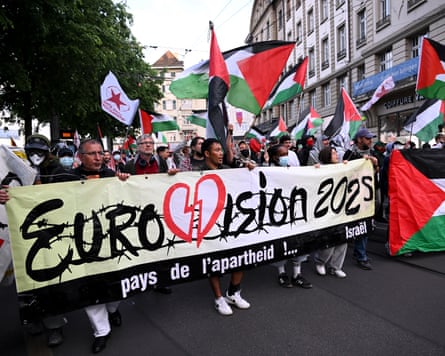
This incident at the Venice Biennale is not an isolated occurrence but rather symptomatic of a wider phenomenon affecting major international cultural competitions. Eurovision, the continent's beloved song competition that celebrates musical diversity, has similarly grappled with questions about participation, representation, and the political implications of national involvement. The annual event, which brings together nations from across Europe and beyond to compete in song, has increasingly found itself forced to make decisions about which countries should participate and under what circumstances.
The Cannes Film Festival, long regarded as the gold standard in cinema and entertainment, has also experienced similar pressures. As a platform where films and filmmakers from around the world gather to present their work, Cannes has become a venue where geopolitical conflicts manifest through debates over representation, boycotts, and questions about which nations' cinematic contributions should be celebrated or scrutinized. The festival's prestigious awards and recognition carry implications that extend far beyond the realm of cinema, touching on questions of international legitimacy and cultural soft power.
At the heart of these controversies lies a fundamental question about the nature of national identity in contemporary artistic expression. These festivals were historically conceived as platforms where nations could present their cultural achievements, with the understanding that art transcends borders and political differences. The national pavilion model, in particular, assumes that cultural expression should be organized and understood through the framework of nation-states. However, in an era of rapid globalization, digital connectivity, and transnational artistic movements, this organizational principle increasingly appears outdated and problematic.
The tension between artistic merit and national representation has become increasingly acute. When a cultural festival insists on organizing exhibitions and competitions along national lines, it inevitably invites political scrutiny and debate about which nations deserve to participate. This structure transforms what could be purely artistic discussions into geopolitical negotiations, forcing festival organizers to make determinations that extend far beyond their artistic mandate and into the complex realm of international relations.
Some observers argue that the framework of national representation at cultural festivals has become fundamentally untenable. They contend that insisting on national pavilions and country-based participation perpetuates an outdated understanding of how culture is actually produced and consumed in the twenty-first century. Artists increasingly work in transnational networks, collaborate across borders, and draw inspiration from global sources. The rigid categories of national art may fail to capture the reality of contemporary creative production.
Conversely, others defend the continuation of national frameworks at major cultural institutions. They argue that these structures provide emerging nations and regions with valuable platforms for cultural visibility and recognition on the international stage. Without organized national representation, they contend, smaller or less economically powerful nations might find their artistic contributions marginalized or overlooked entirely by the international cultural establishment. The national pavilion system, despite its limitations, ensures a degree of parity in representation.
The broader implications of this struggle extend beyond individual festivals. As major cultural institutions find themselves buffeted by political pressures and forced to navigate unprecedented geopolitical tensions, questions arise about their fundamental purpose and independence. Can these festivals remain credible as platforms for artistic expression and cultural celebration when they become entangled in political disputes? How can organizers balance the desire to maintain international inclusivity with the legitimate concerns of the international community regarding participation and representation?
The Venice Biennale, Eurovision, and Cannes face a critical juncture as they confront these challenges. Their responses will likely shape the future of international cultural competition and cooperation. The festivals must find ways to honor their fundamental mission—celebrating artistic achievement and fostering cultural understanding—while acknowledging the real political complexities of our contemporary world. This may require reimagining how these institutions organize participation, represent nations, and balance artistic merit with political reality.
Moving forward, cultural institutions may need to develop new frameworks that acknowledge both the reality of national identity and the increasingly transnational nature of artistic production. Some festivals have begun experimenting with alternative organizational structures that move beyond strict national categories, allowing for more fluid and dynamic participation. These efforts represent attempts to preserve the vital cultural function these festivals serve while adapting to contemporary realities.
The fundamental challenge remains: in a world marked by persistent geopolitical tensions and fractured international relations, how can cultural festivals maintain their credibility as spaces for artistic celebration and international understanding? The answer will likely determine not only the future of these institutions but also the role that art and culture will play in an increasingly divided world. As the Venice Biennale, Eurovision, and Cannes navigate these turbulent waters, they offer important lessons about the intersection of art, politics, and international identity in our contemporary moment.
Source: The Guardian


