
Polygraph Flaws Revealed: Exploring Alternatives for Reliable Screening

Discover the major flaws of polygraph tests and investigate potential better options for thorough security screenings in the modern era.
When George W. Maschke applied to work for the FBI in 1994, he had already held a security clearance for over 11 years. The government had deemed him trustworthy through his career in the Army. But soon, a machine and a man would not come to the same conclusion.
His application to be a special agent had passed initial muster. And so, in the spring of 1995, according to his account, he found himself sitting across from an FBI polygraph examiner, answering questions about his life and loyalties.
He told the truth, he said in an interview with Undark. But in a blog post on his website, he recalled the examiner told him that the polygraph machine—which measured some of Maschke's physiological responses—indicated that he was being deceptive about keeping classified information secret, and about his contacts with foreign intelligence agencies.
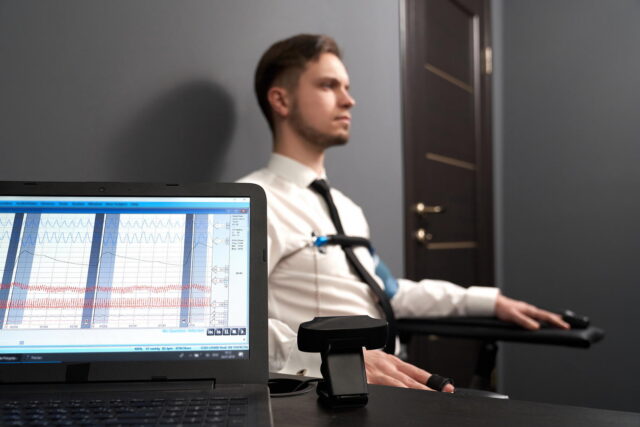
This case highlights the longstanding issues with the reliability and accuracy of polygraph tests, a technology that has been used for decades in security screenings, criminal investigations, and employment decisions. While the polygraph remains a widely used tool, there is growing recognition that it has significant flaws that undermine its effectiveness.
One of the primary concerns with polygraph tests is their susceptibility to countermeasures. Individuals can be trained to control their physiological responses, allowing them to potentially beat the test and avoid detection of deception. This raises questions about the polygraph's ability to reliably identify security risks or uncover truthful information.
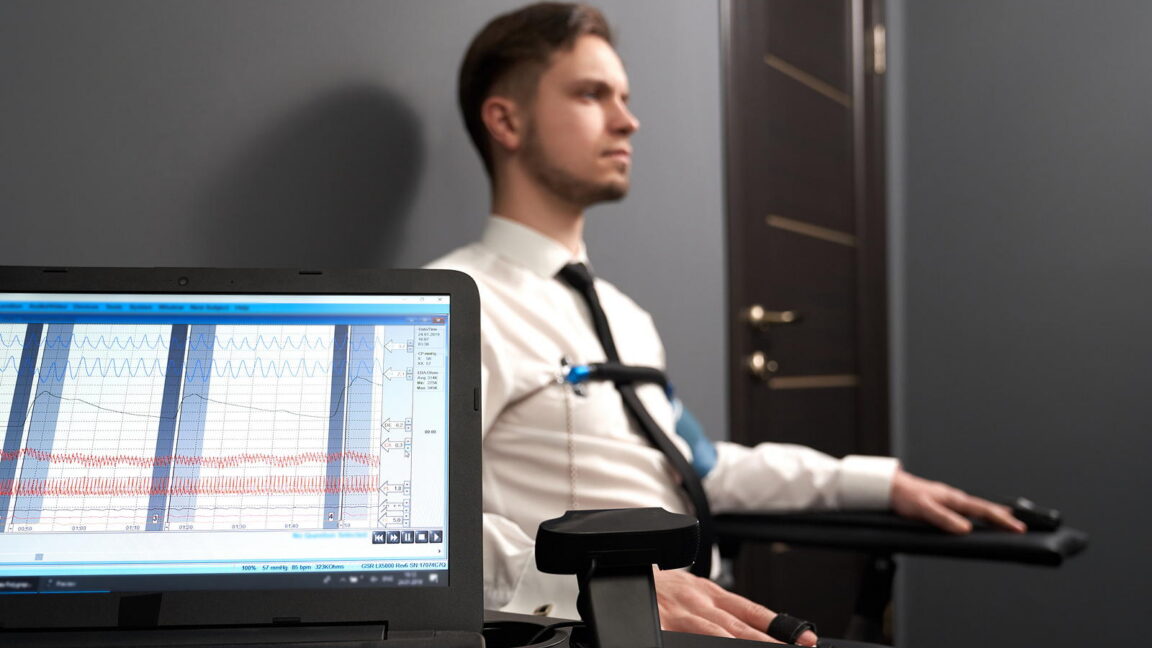
Additionally, research has shown that the polygraph can produce a significant number of false positives, wrongly identifying innocent individuals as deceptive. This can have serious consequences, leading to the rejection of job applications, the denial of security clearances, and even the wrongful prosecution of individuals.
In response to these concerns, researchers and security experts have been exploring alternative technologies and approaches that could potentially offer more reliable and accurate means of assessing truthfulness and identifying potential security risks. Some of these alternatives include:
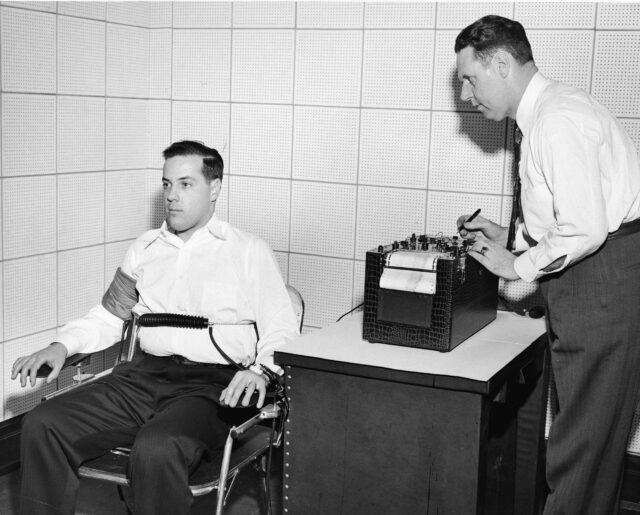
- Functional Magnetic Resonance Imaging (fMRI): This technology measures changes in blood flow in the brain, which can be used to detect patterns associated with deception.
- Voice Stress Analysis: This method analyzes changes in a person's voice, which can be indicative of stress and deception.
- Thermal Imaging: Infrared cameras can detect changes in skin temperature, which may be linked to physiological responses associated with lying.
While these alternative technologies show promise, they are not without their own limitations and challenges. Continued research and development are needed to refine these methods and ensure they provide a more reliable and accurate alternative to the traditional polygraph.
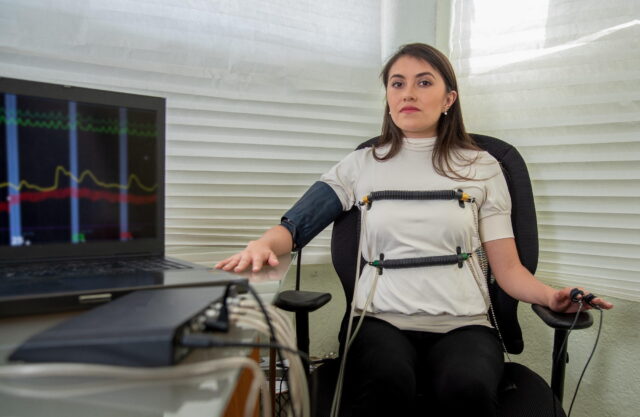
As the limitations of the polygraph become increasingly clear, it is crucial that policymakers, law enforcement, and security agencies carefully evaluate the available options and invest in the development of more reliable and effective screening tools. The stakes are high, and the need for accurate and trustworthy security measures has never been more important.
Source: Ars Technica


