
Pop-Up Shop Offers Free Items to Struggling Families

A new pop-up shop initiative helps families manage rising living costs by distributing free clothing and essentials through a token-based system.
In response to the escalating cost of living crisis affecting households across the nation, a innovative pop-up shop initiative has emerged to provide meaningful relief to families struggling with everyday expenses. The program represents a creative community-driven solution designed to address the growing financial pressures that countless households face as inflation continues to impact essential goods and services. By offering tangible support through a structured distribution system, this initiative demonstrates how local organizations can make a significant difference in their communities during times of economic hardship.
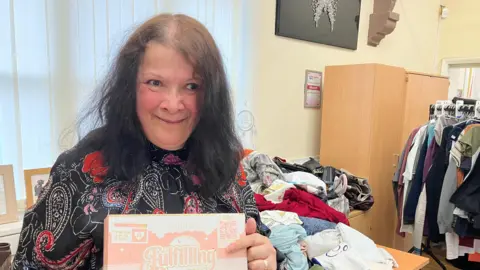
The pop-up shop model operates on a straightforward yet effective token-based system that empowers visitors to claim up to ten free items during each visit. Participants receive designated tokens upon arrival that can be exchanged for a diverse range of products, spanning from practical clothing items to everyday home essentials that families depend on daily. This approach ensures equitable distribution while maintaining dignity and choice for recipients, allowing them to select items that best meet their individual household needs rather than receiving predetermined packages.
The selection of available items has been carefully curated to address the most pressing needs identified within the community. Free clothing offerings include apparel for all seasons and age groups, recognizing that wardrobe expenses can strain family budgets, particularly when children outgrow items quickly. Beyond garments, the shop stocks a comprehensive array of household necessities such as bedding, towels, kitchen supplies, and cleaning products—items that are essential for maintaining a functional home but often become luxury purchases when finances are tight.

The initiative has gained considerable traction since its launch, with organizers reporting strong community participation and positive feedback from those who have benefited from the program. Families appreciate the non-judgmental environment and the autonomy to choose exactly what they need, creating a shopping experience that preserves personal agency and dignity. The token system also prevents waste by limiting quantities while ensuring that available resources reach as many households as possible, demonstrating thoughtful resource management.
Behind this innovative program lies a recognition of the broader economic challenges facing modern families. The rising costs of essential goods have created unprecedented pressure on household budgets, with many families forced to make difficult choices between purchasing clothing, maintaining their homes, and meeting other critical needs. Food banks and traditional charitable services, while invaluable, often cannot address the full spectrum of material necessities, leaving significant gaps in community support systems that this pop-up shop helps to fill.
Organizers have worked extensively to build partnerships with local retailers, manufacturers, and community organizations to source the diverse inventory available at the shop. Many items represent surplus stock, overstock situations, or donations from companies and individuals committed to community welfare. This collaborative approach not only maximizes the quantity and quality of available goods but also fosters a sense of collective responsibility and solidarity within the broader community network.
The accessibility of the pop-up shop has been prioritized from inception, with organizers selecting convenient locations and establishing flexible operating hours to accommodate working families and those with transportation challenges. The straightforward token-based distribution system requires minimal bureaucratic barriers, ensuring that anyone facing financial hardship can participate without extensive paperwork or eligibility verification processes. This user-friendly approach has proven particularly valuable for families who might hesitate to seek assistance through more formal channels.
Beyond immediate material assistance, the pop-up shop serves an important psychological function within affected communities. The initiative demonstrates that broader society recognizes the struggles families are facing and is willing to take concrete action to provide support. For many participants, this acknowledgment and visible community solidarity can be as meaningful as the physical goods received, helping to combat the isolation and stigma sometimes associated with financial hardship.
Looking forward, organizers have expressed ambitions to expand the program to additional locations and increase the frequency of pop-up shop events. Early success metrics suggest sustained demand for such initiatives, with planning already underway to establish permanent locations or develop a rotating schedule that can serve different neighborhoods effectively. The model has generated interest from other communities facing similar economic pressures, indicating potential for replication and adaptation in diverse settings.
The emergence of this community support program highlights the importance of creative problem-solving when facing systemic economic challenges. While government assistance programs and traditional charitable organizations provide essential services, innovative local initiatives can respond more nimbly to community needs and often reach populations who might otherwise fall through existing safety nets. The pop-up shop model offers valuable lessons about how direct community action can complement larger-scale support systems.
As families continue navigating unprecedented financial pressures, programs like this pop-up shop provide tangible hope and practical assistance that can meaningfully improve quality of life. The token-based distribution system offers an elegant solution that balances resource constraints with respect for individual dignity and choice. Whether this initiative ultimately proves to be a temporary response to current economic conditions or evolves into a permanent fixture of community support infrastructure remains to be seen, but its emergence demonstrates the resilience and compassion within communities determined to support their most vulnerable members.
Source: BBC News


