
Pope Condemns Equatorial Guinea Prison Conditions

Pope Francis delivers passionate critique of Equatorial Guinea's prison system during final days of historic African tour, emphasizing human dignity.
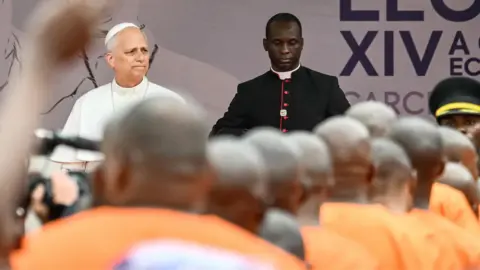
Pope Francis concluded his transformative journey across the African continent with a powerful and uncompromising address that underscored the humanitarian concerns he has consistently raised throughout his visit. During his final days in Equatorial Guinea, the pontiff delivered a frank and passionate speech that exemplified the moral clarity and directness that have defined his entire African tour, leaving no doubt about his position on critical human rights issues.
The Pope's remarks focused specifically on the deplorable conditions within Equatorial Guinea's correctional facilities, where he expressed deep concern about the treatment of prisoners and the structural inadequacies plaguing the nation's penal system. His critique was notably unsparing in its assessment, as he called attention to overcrowding, inadequate sanitation, insufficient medical care, and the broader violations of human dignity that characterize many facilities across the country. The speech represented a culmination of the Pope's broader mission throughout Africa, where he has consistently advocated for the vulnerable and marginalized populations.
Throughout his extensive African tour, Pope Francis has established a pattern of speaking candidly about systemic injustices, corruption, and human rights abuses that affect the continent's most vulnerable citizens. His willingness to address these sensitive political topics head-on has demonstrated his commitment to using his platform and moral authority to effect meaningful change. The Pope has emphasized repeatedly that prison reform and human rights protection are not merely political issues, but fundamental moral imperatives rooted in religious and humanitarian principles.
Equatorial Guinea, a Central African nation rich in natural resources but marked by significant governance challenges, has faced persistent international criticism regarding its human rights record. The country's prisons have been particularly scrutinized by international human rights organizations, which have documented cases of torture, inadequate nutrition, and deplorable sanitation conditions. The Pope's decision to directly address these issues during his visit signifies the Catholic Church's ongoing commitment to holding governments accountable for their treatment of incarcerated populations.
The comprehensive African tour has taken Pope Francis through multiple nations, allowing him to engage with diverse populations and address region-specific challenges while maintaining consistent themes of social justice, reconciliation, and human dignity. In each country, he has adapted his message to reflect local circumstances while reinforcing universal principles of compassion and respect for human life. His approach has been notable for its balance between spiritual guidance and practical advocacy for systemic change.
Speaking to international observers and local dignitaries, the Pope emphasized that prison conditions reflect a nation's commitment to justice and moral values. He argued that how a society treats its most vulnerable members—including incarcerated individuals—reveals fundamental truths about that society's character and principles. This perspective aligns with longstanding Catholic social teaching, which insists that human dignity remains inviolable regardless of a person's circumstances or legal status.
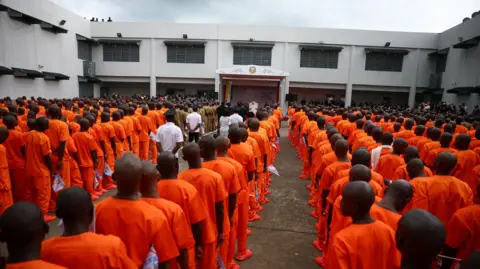
The pontiff's intervention in Equatorial Guinea comes at a critical moment when international attention on African governance and human rights has intensified. His willingness to speak publicly about these sensitive matters, despite potential diplomatic complications, underscores the Vatican's independence and its prioritization of moral principles over political convenience. The speech is expected to provide momentum for human rights organizations working to improve conditions in the country's correctional system.
Local officials and government representatives present during the address responded with measured acknowledgment, though the extent to which the Pope's criticism will translate into concrete policy changes remains uncertain. However, the public nature of his remarks ensures that international scrutiny will remain focused on Equatorial Guinea's prison system, potentially creating pressure for meaningful reforms. The Pope's intervention serves as a reminder that even powerful institutions like governments can face accountability for their treatment of prisoners.
This final address exemplifies the Pope's African mission and his consistent dedication to advocating for systemic change in areas where human rights are violated. Throughout his tour, he has demonstrated that the Church remains a significant moral voice on the global stage, willing to challenge powerful institutions and governments when principles of human dignity are at stake. His emphasis on prison conditions, alongside other social justice issues addressed during the tour, presents a coherent vision of faith in action.
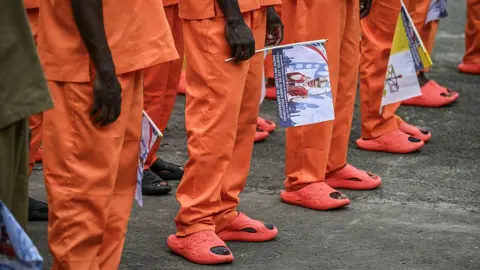
The implications of the Pope's speech extend beyond Equatorial Guinea, resonating with broader discussions about criminal justice reform across the African continent and globally. Many nations face similar challenges regarding prison overcrowding, inadequate resources, and human rights violations within their correctional systems. By shining a spotlight on these issues through his high-profile visit, Pope Francis has contributed to a growing international conversation about the need for systemic change in how societies approach incarceration and rehabilitation.
Looking forward, observers will monitor whether the Pope's intervention catalyzes meaningful reform efforts in Equatorial Guinea's prisons. His address has already generated significant media coverage and international attention, creating a public record of the conditions that international observers have long documented. The speech demonstrates the enduring relevance and influence of the papacy as a moral force capable of directing global attention toward critical humanitarian issues that might otherwise receive insufficient scrutiny.
As Pope Francis concludes his transformative African journey, the impact of his direct advocacy on behalf of prisoners and other vulnerable populations will likely be measured over months and years to come. His passionate appeals for human dignity, combined with the international platform he commands, offer hope to advocates for reform while challenging governments to live up to their obligations under international human rights law. The Pope's African tour will be remembered not only for its spiritual significance but for its uncompromising commitment to social justice and human rights advocacy.
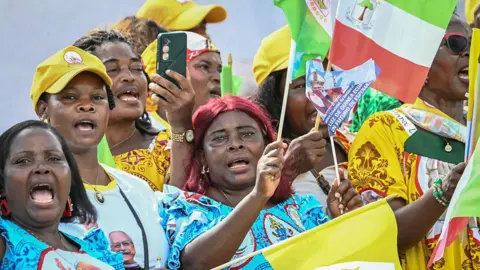
The broader context of Pope Francis's tenure has been characterized by a consistent focus on marginalized populations and systemic injustice, making his Equatorial Guinea remarks entirely consistent with his established priorities. Throughout his papacy, he has challenged wealthy nations, corporate interests, and governmental institutions to prioritize the needs of the poor and vulnerable. This African tour represents a continuation of that mission, translated into the specific context of African challenges and opportunities.
Source: BBC News


