
Porsche Ends Performance E-Bike Business

Porsche discontinues its e-bike division to refocus on core automotive business. Learn what this means for the brand's future strategy.
In a significant strategic shift, the renowned German automaker Porsche has announced the discontinuation of its performance e-bike division, marking the end of an ambitious venture into the electric cycling market. The decision reflects the company's determination to concentrate its resources and expertise on what it considers its fundamental strengths and primary market focus. This move represents a notable pivot in the company's diversification strategy, which had seen it expand beyond traditional automotive manufacturing into alternative mobility solutions.
The e-bike business had represented Porsche's attempt to leverage its engineering prowess and performance heritage into the rapidly growing electric bicycle sector. The division produced high-end, technologically advanced bicycles that capitalized on the brand's reputation for precision engineering and quality craftsmanship. Despite the growing popularity of electric bicycles globally and the increasing consumer interest in sustainable transportation alternatives, Porsche determined that maintaining this separate business unit was not aligned with its long-term strategic objectives and resource allocation priorities.
Porsche's decision to exit the e-bike market underscores broader trends within the automotive industry, where companies are carefully reassessing their portfolio investments and strategic diversification efforts. The company's statement emphasizing a return to "core business" suggests that leadership believes the company's resources are better deployed in areas where it has traditionally excelled and where market opportunities appear more substantial. This refocusing strategy is not uncommon among established manufacturers as they navigate shifting market dynamics and economic pressures.
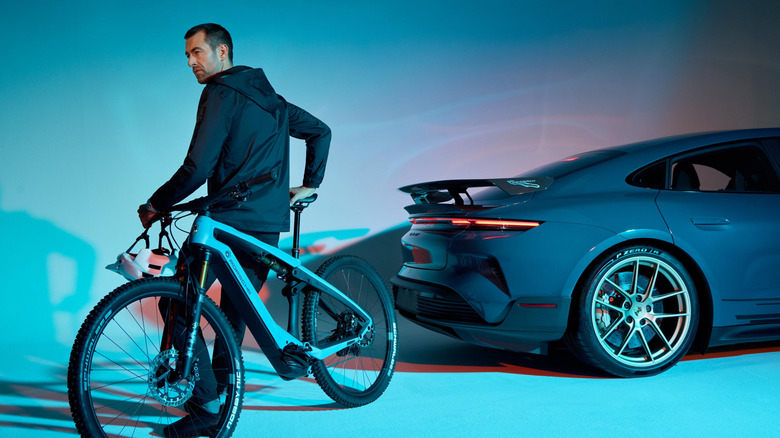
The discontinuation of the performance bicycle line comes at a time when the automotive sector is undergoing unprecedented transformation. Major manufacturers are investing heavily in electric vehicle development, autonomous driving technology, and digital connectivity solutions. Porsche itself has been significantly expanding its electric vehicle portfolio, with models like the Taycan gaining traction in the premium EV market. The company's focus on electrifying its core automotive offerings appears to have taken precedence over maintaining a separate e-bike business unit.
For consumers and enthusiasts who had embraced Porsche's high-performance e-bikes, the decision marks the end of an era. These premium bicycles had attracted a niche clientele willing to pay premium prices for the engineering excellence and design language associated with the Porsche brand. The e-bike models had featured advanced battery technology, lightweight materials, and sophisticated digital integration, positioning them in the ultra-premium segment of the cycling market alongside other luxury brands that had ventured into similar spaces.
The strategic retreat from the e-bike market reflects Porsche's assessment of resource allocation and return on investment across its various business segments. While the e-bike division may have generated revenue and brand engagement, the company evidently concluded that the capital, talent, and operational focus required to maintain and grow the business could be more effectively deployed elsewhere. This is a pragmatic approach that many established companies take when evaluating their portfolio of businesses and determining which ventures best serve shareholder interests and strategic objectives.
Industry analysts have noted that luxury automotive brands face increasing pressure to maintain profitability while simultaneously investing in the transition to electric and autonomous vehicles. For Porsche, concentrating on its core automotive business allows the company to dedicate substantial resources to developing next-generation vehicles and technologies that will define its market position in the coming decades. The company's portfolio includes the iconic 911, the rapidly evolving Taycan electric model, and various sport utility vehicles that command significant market share and brand loyalty.
The decision to discontinue the e-bike division also reflects broader market realities. While electric bicycles have experienced significant growth, particularly in Europe and Asia, the market remains highly fragmented with substantial competition from both established bicycle manufacturers and emerging mobility companies. Porsche's premium positioning, while valuable in the automotive market where brand heritage and performance carry considerable weight, may have proven less compelling in the e-bike segment where utility, price, and specific use cases often drive purchasing decisions more than brand prestige alone.
Looking ahead, Porsche's strategic refocusing on automotive excellence positions the company to compete more effectively in increasingly crowded premium EV markets. The discontinuation of peripheral business units allows management to present a clearer strategic narrative to investors and consumers about the company's priorities and long-term vision. By consolidating operations and eliminating non-core businesses, Porsche can streamline decision-making processes and ensure that organizational resources are allocated to initiatives with the greatest potential for sustained competitive advantage and profitability.
The e-bike venture, while innovative, ultimately represented a departure from the company's traditional market positioning and expertise. Porsche has built its reputation over decades through excellence in high-performance automotive engineering, and the company apparently determined that this heritage and expertise are best leveraged within the automotive industry. The discontinuation decision allows the company to refocus on leveraging its engineering capabilities, brand strength, and technological innovations where they have proven most valuable and profitable.
For the broader mobility industry, Porsche's exit from the e-bike market serves as a reminder that not all diversification strategies prove successful, even for brands with exceptional engineering credentials and strong consumer recognition. The decision highlights the challenges that established manufacturers face when attempting to compete in adjacent markets that operate under different competitive dynamics and customer expectations. Moving forward, the company will concentrate its efforts on solidifying its position in the premium electric vehicle market and pursuing technological innovations that align with its core automotive business objectives.
Source: Engadget


