
Powerful Storm Erminio Batters Greece and Italy, Brings Saharan Dust to Crete

Latest updates on the severe weather conditions caused by Storm Erminio, including heavy rain, flooding, and Saharan dust affecting Greece, Italy, and Afghanistan.
Storm Erminio has been wreaking havoc across parts of the Mediterranean this week, bringing heavy rainfall, thunderstorms, and even snow to higher elevations. The most severely impacted areas have been southeastern Greece, including the capital region of Attica, as well as several islands in the southern Aegean Sea, such as Crete. Meanwhile, south-eastern Italy has also been affected by the intense weather conditions.
One of the most dramatic impacts of Storm Erminio has been the flooding that has occurred in many coastal towns and cities. In the Greek town of Nea Makri, for example, an unofficial weather station recorded around 50mm of rain falling within just two hours, leading to widespread flooding and at least one fatality. A man was found dead beneath a car, believed to have been swept away as he tried to escape his flooded basement home.

The heavy rain has also caused significant disruption across much of Greece, with streets flooded and vehicles stranded in many areas. One weather station near Athens' international airport recorded 132mm (5.2 inches) of rain in a 24-hour period on Wednesday. The most intense downpours occurred overnight, when the coastal town of Nea Makri was particularly badly affected.
In addition to the heavy rain and flooding, Storm Erminio has also brought Saharan dust to the island of Crete, blanketing the landscape in a layer of fine particulate matter. This phenomenon is not uncommon during periods of intense weather systems in the Mediterranean, as strong winds can pick up dust from the Sahara Desert and transport it across the sea.

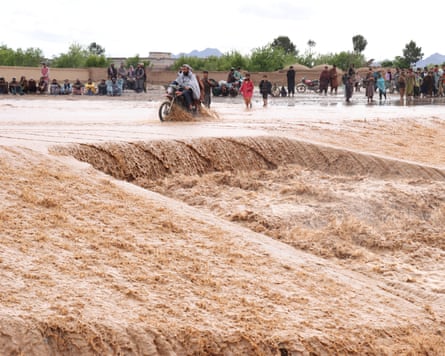
The impacts of Storm Erminio have not been limited to Greece and Italy, however. In Afghanistan, the severe weather has also led to deadly flooding, with reports of at least several fatalities. The combination of heavy rainfall and rapid snowmelt in the mountainous regions has contributed to the flooding crisis in the country.
As the storm system continues to move through the region, meteorologists and disaster response teams are closely monitoring the situation and urging residents to remain vigilant and follow any evacuation orders or safety advisories issued by local authorities. The severe weather conditions are a stark reminder of the increasing frequency and intensity of extreme weather events driven by climate change, and the need for comprehensive disaster preparedness and mitigation strategies.
Source: The Guardian


