
Prada Launches Indian-Made Sandals Post Cultural Controversy

Luxury fashion house Prada responds to cultural appropriation criticism by launching Indian-made sandals. Learn how the brand addresses design heritage concerns.
Prada, the renowned Italian luxury fashion house, has taken a significant step toward cultural sensitivity by launching a new line of Indian-made sandals following substantial backlash regarding design appropriation. This strategic move represents a meaningful shift in how the high-end fashion industry addresses concerns about borrowing traditional designs without proper acknowledgment or attribution to their countries of origin.
The fashion conglomerate faced considerable criticism during the previous year when it unveiled comparable footwear designs on its prestigious runway without making any reference to their deep roots in Indian craftsmanship and heritage. The oversight sparked widespread discussion across social media platforms and within fashion communities about the importance of recognizing traditional artistic contributions from non-Western cultures. Consumers and cultural commentators alike questioned whether the brand had appropriated designs that held significant cultural meaning and historical importance.
This new initiative demonstrates Prada's recognition of the valid concerns raised by cultural advocates and consumers who demanded greater accountability from luxury brands. By sourcing production from Indian manufacturers and openly crediting the cultural origins of the designs, Prada appears to be making a conscious effort to rebuild trust and establish more ethical practices within its design and manufacturing processes. The company's decision reflects broader industry trends toward cultural respect and transparent sourcing practices.
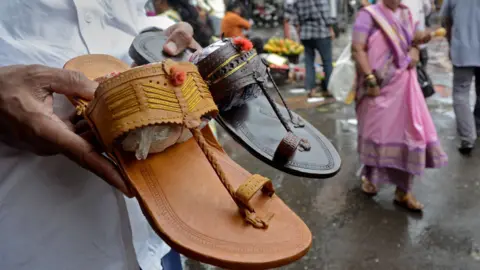
The sandal collection represents a deliberate collaboration that positions Indian artisans and manufacturers as essential partners rather than mere sources of inspiration to be overlooked. By explicitly acknowledging the Indian heritage of these designs, Prada sends a powerful message to the fashion world about the importance of giving credit where credit is due. This approach not only honors the traditional knowledge keepers but also creates economic opportunities for Indian craftspeople and manufacturers who have developed these distinctive styles over generations.
Cultural appropriation in the fashion industry has become an increasingly scrutinized issue as consumers demand greater accountability from major brands. High-profile incidents where Western designers have borrowed heavily from non-Western cultures without acknowledgment have prompted conversations about power dynamics, economic inequality, and respect for cultural heritage. Prada's response to these criticisms serves as a potential blueprint for how luxury fashion houses can navigate these sensitivities while maintaining creative innovation.
The decision to manufacture these sandals in India carries significant implications beyond mere production efficiency. By investing in local manufacturing infrastructure and building partnerships with Indian producers, Prada demonstrates a commitment to supporting the communities whose cultural traditions inspired the designs. This economic engagement can contribute to job creation, skill development, and the preservation of traditional manufacturing techniques that might otherwise be lost to globalization and modernization pressures.

The fashion industry has increasingly come under scrutiny for its historical tendency to extract design elements from marginalized communities while failing to provide economic benefits or proper attribution to the original creators. Prada's move toward ethical sourcing and transparent design partnerships represents progress in addressing this systemic imbalance. However, industry observers note that such efforts must be coupled with genuine economic fairness and sustained long-term partnerships rather than performative gestures that lack substance.
The new sandal line showcases traditional Indian design elements that have been refined and perfected through centuries of craftsmanship. These designs reflect the aesthetic sensibilities, practical considerations, and cultural values embedded within Indian footwear traditions. By openly celebrating and crediting these origins, Prada's collection serves as an educational tool that helps global consumers understand and appreciate the depth of non-Western design traditions that often go unrecognized in mainstream fashion discourse.
Consumer response to Prada's initiative has been notably mixed, with some praising the brand for taking corrective action while others view it as an insufficient response to earlier transgressions. Fashion critics and cultural commentators continue to debate whether the new collection represents genuine cultural respect or a calculated marketing strategy designed to rehabilitate the brand's reputation following the previous controversy. The depth of Prada's commitment to these principles will likely be evaluated based on future business decisions and the longevity of their Indian manufacturing partnerships.
This development highlights the growing importance of cultural intelligence in luxury brand management. Companies operating in the global fashion marketplace must develop sophisticated understanding of diverse cultural traditions and demonstrate respect for the communities from which design inspiration originates. Prada's response suggests that major fashion houses are beginning to recognize that acknowledging cultural sources is not merely ethically sound but also strategically advantageous in an era of conscious consumerism.
The broader implications of Prada's decision extend to questions about how global fashion brands can engage with cultural heritage in ways that are mutually beneficial and respectful. The model of direct manufacturing partnerships combined with transparent design attribution offers one potential approach, though implementation and authenticity remain critical considerations. As consumer awareness about cultural appropriation grows, fashion houses that fail to address these concerns may face continued reputational and commercial challenges.
Looking forward, the success of this initiative will depend on how Prada maintains its commitment to Indian partners, ensures fair compensation for artisans, and continues to acknowledge cultural sources in future designs. The fashion industry will likely watch closely to see whether other luxury brands follow suit or resist the pressure to reform their practices. Prada's transformation from the subject of cultural appropriation criticism to a potential industry leader in ethical design sourcing could establish important precedents for how global fashion can honor and celebrate cultural diversity while creating genuine economic opportunities for traditional craftspeople worldwide.
Source: BBC News


