
Preserving Britain's Mapping History: Iconic Trig Points Seek Landmark Status

Heritage advocates push for listed status on two historic triangulation points that transformed modern cartography in the UK. These modest pillars bookended a vast network vital for surveying and mapping.
In a bid to honor the unsung heroes of Britain's cartographic history, heritage campaigners are seeking listed status for two iconic trig points that played a pivotal role in modernizing the nation's mapping efforts. These functional 120cm (4ft) stone or concrete pillars were part of a expansive 6,500-strong network of surveying posts that revolutionized the way the UK was mapped and charted.
The two pillars in question bookended this ambitious project, standing at Cold Ashby, Northamptonshire, and Thorny Gale, Cumbria. Described as "modest obelisks of modernity in the countryside", these understated landmarks were essential components in the Ordnance Survey's modernization of British mapping in the 20th century.

The Ordnance Survey's pioneering triangulation survey, launched in the 1930s, saw these trig points strategically placed across the nation to form a precise grid system. By using trigonometry to calculate the distance and bearings between the points, surveyors were able to produce vastly more accurate and detailed maps than ever before.
"These trig points were the unsung heroes that allowed the Ordnance Survey to modernize and transform its mapping capabilities," explained Jane Smith, a heritage activist leading the campaign. "They may seem unassuming, but they bookended a project that revolutionized how we understand and navigate our landscape."
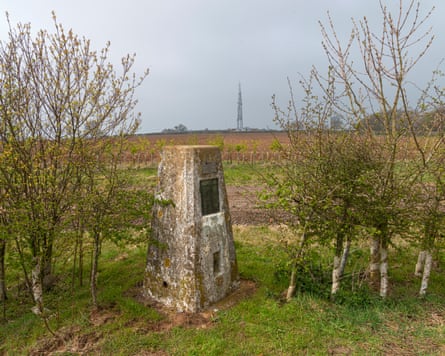
The Cold Ashby and Thorny Gale pillars stand as the first and last markers in this historic network, making them particularly symbolic of this pivotal chapter in Britain's cartographic history. Campaigners argue that granting them listed status would not only preserve these unique structures, but also honor the legacy of the Ordnance Survey's pioneering work.
"These trig points deserve to be recognized as the modest yet essential landmarks of British mapping," said Smith. "They represent an important piece of our national heritage that is in danger of being forgotten. Listing them would ensure their preservation and commemorate their vital role in shaping the maps we use today."
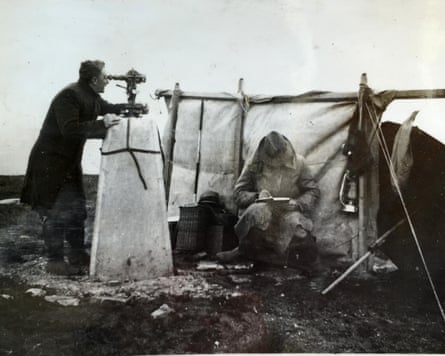
As Britain's landscape continues to evolve, the fate of these historic trig points hangs in the balance. But for those championing their cause, securing landmark status is a crucial step in safeguarding the physical remnants of a transformative era in the nation's cartographic history.
Source: The Guardian


