
Private Jet Makers Target Asia's Elite With Ultra-Luxury

Aviation manufacturers pivot to serve Asia's ultra-wealthy with opulent private aircraft featuring unprecedented luxury amenities and cutting-edge technology.
The global aviation industry is experiencing a dramatic transformation as manufacturers increasingly pivot their focus toward catering to the ultra-wealthy clientele across Asia. This strategic shift represents a fundamental change in how private jet manufacturers approach their business models, moving away from traditional commercial aviation to embrace the lucrative market of personalized, luxury air travel. The trend reflects the growing concentration of wealth in Asian markets and the increasing demand for exclusive, high-end transportation solutions among the region's elite.
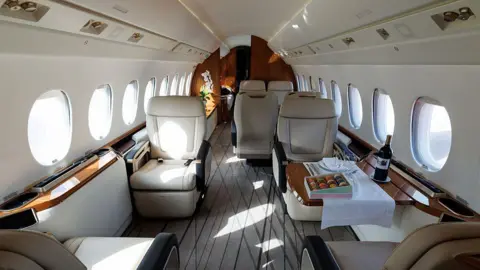
Leading aircraft manufacturers are investing heavily in developing ultra-luxury private jets that push the boundaries of what's possible in airborne comfort and sophistication. These next-generation aircraft feature amenities that rival the world's most exclusive hotels, including master suites with king-sized beds, fully equipped kitchens with professional-grade appliances, conference rooms with state-of-the-art communication systems, and even spa facilities complete with shower systems designed specifically for high-altitude use. The attention to detail in these aircraft extends to every surface, with handcrafted leather interiors, precious metal accents, and custom-designed furniture that reflects the personal tastes of their affluent owners.
The Asian market has emerged as the primary driving force behind this luxury aviation boom, with countries like China, India, Singapore, and South Korea witnessing unprecedented growth in their populations of high-net-worth individuals. Industry analysts report that Asia's super-rich are not only increasing in number but are also demonstrating a particular appetite for luxury goods and services that showcase their success and status. This demographic shift has created a perfect storm of demand for private aviation services, as these wealthy individuals seek to maintain their business interests across multiple countries while enjoying the ultimate in travel comfort and privacy.
Major aviation companies are responding to this demand by establishing dedicated design teams focused exclusively on luxury customization. These specialists work closely with clients to create bespoke interiors that reflect personal preferences, cultural backgrounds, and specific functional requirements. The customization process often takes months or even years to complete, with clients involved in every aspect of the design, from selecting exotic wood veneers and precious stone inlays to choosing advanced entertainment systems and communication technologies.
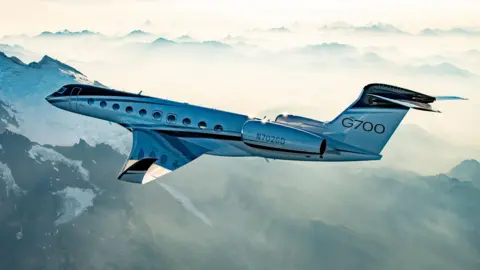
The technological innovations being incorporated into these luxury aircraft extend far beyond aesthetic enhancements. Modern private jets now feature advanced air filtration systems that create a healthier cabin environment, noise reduction technologies that ensure peaceful travel experiences, and sophisticated flight management systems that optimize routing for maximum efficiency and comfort. Some of the most advanced models include biometric security systems, satellite-based internet connectivity that rivals ground-based networks, and even virtual reality entertainment systems that allow passengers to experience immersive content during long-haul flights.
The economic impact of this shift toward luxury private aviation extends throughout the entire aerospace supply chain. Specialized craftspeople who work with exotic materials, high-end electronics manufacturers, and luxury goods companies are all benefiting from the increased demand for premium aircraft components and accessories. This has led to the development of entirely new industry segments focused exclusively on serving the private aviation market, with companies dedicating resources to creating products and services that meet the exacting standards of ultra-wealthy clientele.
Regional preferences and cultural considerations play a significant role in how manufacturers approach the Asian luxury aviation market. For example, Chinese clients often prefer aircraft with feng shui-compliant layouts and design elements that incorporate traditional cultural symbols and colors. Japanese customers frequently emphasize minimalist design principles and cutting-edge technology integration, while clients from the Middle East may request prayer areas and other religiously significant features. This cultural sensitivity has become a crucial differentiator for manufacturers competing in these markets.
The surge in demand for private jets among Asia's elite has also created new challenges for the aviation industry. Manufacturing capacity constraints mean that delivery times for new aircraft can extend several years into the future, leading some wealthy buyers to purchase pre-owned aircraft and invest additional millions in retrofitting and customization. This has created a robust secondary market for luxury aircraft, with specialized brokers and service providers facilitating transactions and modifications for discerning clients.
Environmental considerations are increasingly influencing the design and marketing of luxury private jets, as even the ultra-wealthy become more conscious of their carbon footprint. Manufacturers are responding by developing more fuel-efficient engines, exploring sustainable aviation fuels, and implementing carbon offset programs. Some companies are even investing in research for electric and hydrogen-powered aircraft, though these technologies remain years away from practical implementation in the luxury aviation sector.
The operational aspects of serving Asia's luxury aviation market require sophisticated support networks that can provide seamless service across multiple countries and time zones. This has led to the expansion of fixed-base operators (FBOs) at major airports throughout Asia, with facilities designed specifically to cater to private jet passengers. These premium terminals offer amenities such as private lounges, concierge services, customs and immigration processing, and direct aircraft access that allows passengers to minimize their time in traditional airport environments.
Training programs for flight crews and support staff serving the luxury private jet market have evolved to include cultural sensitivity training, hospitality management, and specialized technical skills required to operate the advanced systems found in modern luxury aircraft. Airlines and private jet operators are investing heavily in recruiting and retaining top-tier personnel who can deliver the level of service expected by ultra-wealthy passengers.
Looking ahead, industry experts predict that the trend toward luxury private aviation will continue to accelerate as Asia's wealthy population grows and their expectations for premium travel experiences become even more sophisticated. Manufacturers are already planning next-generation aircraft that will incorporate emerging technologies such as artificial intelligence-powered cabin management systems, advanced health monitoring capabilities, and even more impressive customization options. The future of private aviation appears firmly anchored in serving the desires and requirements of the world's most affluent travelers, with Asia representing the largest and most dynamic market for these extraordinary aircraft.

Source: BBC News


