
Protecting Australia's Oceans: Minister Aims to Expand Marine Sanctuaries

Australia's environment minister pledges to expand protected ocean areas, aiming to 'right the wrongs' of past downgrades and avoid a culture war with fishers and drillers.
Australia's federal environment minister, Murray Watt, has announced plans to put an extra half a million square kilometres of the country's ocean under strict protection, banning fishing and drilling activities. This move is part of a broader international agreement to safeguard 30% of the planet's oceans and comes as a bid to 'right the wrongs' of previous downgrades to marine protection during the Abbott era.
Watt's pledge to increase the level of protection for Australia's ocean estate follows his confirmation last year that the country would aim to put 30% of its oceans under a high level of protection that prohibits extractive industries. This commitment aligns with the global target set by the international community.
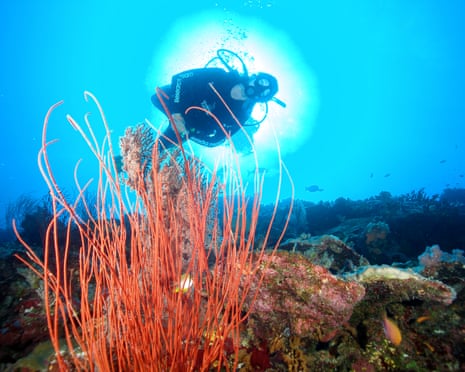
Conservationists are hopeful that Watt's review of the nation's marine parks will 'right the wrongs' of the previous Abbott-era downgrade of protection measures. The review aims to strike a balance between safeguarding the environment and avoiding a potential 'culture war' with industries like fishing and drilling that rely on ocean access.
As the environment minister, Watt faces the challenge of expanding marine sanctuaries while navigating the competing interests of conservation, resource extraction, and commercial fishing. By increasing the protected areas, he hopes to fulfil Australia's international commitments and preserve the ecological health of its vast ocean estate.
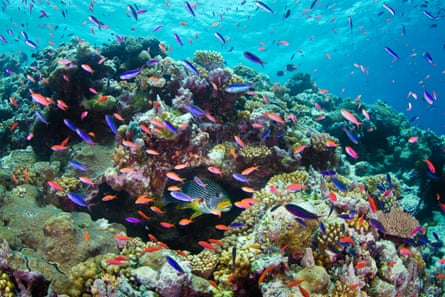
The move to expand marine protected areas is part of a broader global effort to address the pressing environmental challenges facing the world's oceans. With the oceans playing a crucial role in regulating the climate, supporting biodiversity, and providing food and livelihoods, initiatives like Watt's aim to strike a balance between conservation and sustainable use of marine resources.
As Australia embarks on this journey to safeguard its ocean ecosystems, it will be closely watched by the international community, which is closely monitoring the progress towards the 30% protection target. The outcome of Watt's review and the government's implementation of expanded marine sanctuaries will have far-reaching implications for the future of Australia's marine environment and the industries that depend on it.


