
Protester Dismisses Mahmood's 'White Liberal' Jab

Malaysian-born protester challenges Home Secretary Shabana Mahmood's immigration criticism, claiming her policies would harm vulnerable children seeking refuge in UK.
A passionate immigration protester who publicly challenged Home Secretary Shabana Mahmood has firmly rejected her characterization of his activism as representative of white liberal politics. The 32-year-old demonstrator, who requested anonymity and goes by Joe, brought personal lived experience to the contentious political debate, revealing that he himself migrated to the United Kingdom as a young child from Malaysia more than two decades ago.
Joe's intervention into the national conversation surrounding UK immigration policy underscores the complex personal stakes involved in the government's proposed reforms. His presence at the protest and subsequent comments highlight how immigration debates extend far beyond abstract policy discussions to directly affect real families and children who have built their lives in Britain. The protester's willingness to speak publicly about his background demonstrates the human dimension often absent from high-level political discourse on this divisive issue.
According to Joe's account, he arrived in the United Kingdom at just four years old, accompanying his family on their journey to establish a new life in Britain. This formative experience of childhood migration informs his perspective on contemporary immigration reforms being championed by the current government. His personal trajectory from young migrant to settled adult resident provides crucial context for understanding why he felt compelled to voice opposition to Mahmood's policies during the public confrontation.
The home secretary's proposed changes to immigration procedures have drawn significant criticism from various quarters, with Joe arguing they represent a fundamentally cruel approach to managing asylum and migration. He contends that such reforms would create significant hardship for vulnerable children in circumstances similar to his own at the time of his arrival. This assertion reflects broader concerns being raised by immigration advocates and humanitarian organizations across the political spectrum.

When Mahmood dismissed Joe as embodying "white liberal" activism, the characterization struck many observers as tone-deaf and dismissive of legitimate concerns raised by individuals from diverse backgrounds. Joe's response that this claim was "laughable" carries particular weight given his own identity as someone from a Southeast Asian background who has lived experience of the immigration system. His reaction challenges the notion that immigration criticism comes exclusively from one demographic or political perspective.
The exchange between the protester and the Home Secretary reflects broader tensions within contemporary British politics regarding how migration is discussed and debated. Joe's insistence that he brings authentic immigrant perspective to the conversation stands in sharp contrast to assumptions sometimes made about who participates in immigration advocacy. His presence in the protest crowd and willingness to engage directly with political leadership demonstrates that concerns about immigration policy transcend simple left-right political classifications.
Thousands of other individuals like Joe have similar stories—children who arrived in Britain at young ages and have since become integral parts of British society. These individuals, many now adults with established careers, families, and community ties, face an uncertain political landscape where the future of immigration rules remains contested. Their personal trajectories serve as powerful counterarguments to purely restrictive policy approaches that fail to account for successful integration and contribution to British life.
The timing of this public disagreement between the protester and Mahmood comes amid intense national debate about the government's broader immigration agenda. Recent months have seen escalating tensions between those advocating for stricter border controls and those emphasizing humanitarian concerns and the economic contributions of migrants. Joe's intervention places personal testimony at the center of this debate, making it difficult to discuss immigration purely in abstract terms disconnected from human experience.
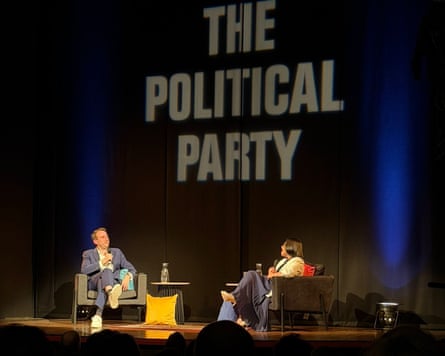
Joe's determination to publicly challenge the Home Secretary's characterization of his motivations speaks to a growing frustration among those who feel their concerns about migration policy are being misrepresented or dismissed. Rather than accept being labeled as merely a white liberal activist, he chose to assert his own identity and experience as basis for his political engagement. This direct confrontation between lived experience and political dismissal marks a significant moment in how immigration debates are unfolding in contemporary Britain.
The protester's claims about how the proposed immigration reforms would affect children echo concerns being raised by child welfare organizations and humanitarian groups. These organizations argue that rigid immigration procedures may place vulnerable young people in precarious positions, unable to access the same opportunities and security that Joe has clearly found in the UK. The specific focus on childhood migration experiences adds emotional and ethical dimensions to what might otherwise remain technical policy discussions.
Looking forward, Joe's public stand represents a broader pattern of individuals stepping forward to defend immigration policies they see as just and humane. His willingness to identify himself personally while maintaining selective anonymity about his identity shows nuanced thinking about public engagement. The protester's approach suggests that future immigration debates may increasingly feature voices of migrants and their descendants directly contesting political narratives about who belongs in Britain and under what conditions.
The dismissal of Joe's concerns as merely "laughable" by the Home Secretary may ultimately prove counterproductive for those seeking to build public consensus around stricter immigration policies. When political leaders dismiss the testimony of those directly affected by immigration rules, they risk alienating precisely the constituencies whose support might be necessary for successful policy implementation. Joe's public rejection of Mahmood's characterization signals that the immigration debate in Britain will increasingly center on competing personal narratives and lived experiences.
This exchange also raises important questions about how politicians engage with public criticism and dissent. Rather than engaging substantively with Joe's concerns about how immigration reforms might affect vulnerable children, the Home Secretary's response focused on attacking the messenger rather than addressing the message. Such rhetorical strategies may energize political supporters but often fail to persuade undecided voters or those with genuine concerns about policy implications. Joe's calm assertion of his own identity and background provided a powerful counter-narrative that may resonate more broadly than the Home Secretary's dismissive characterization.
Source: The Guardian


