
PS5 Sales Plummet: Memory Crisis Threatens Gaming Revenue

Sony's PlayStation 5 sales experience sharp decline due to memory shortages. Higher console prices could impact gaming division results significantly.
PlayStation 5 sales have experienced a dramatic downturn as memory shortages continue to plague the gaming console market, creating significant challenges for Sony's hardware division. The Japanese electronics giant faces mounting pressure as production constraints limit the availability of next-generation gaming systems, forcing consumers to either wait extended periods for stock or turn to competitors for their gaming needs. This supply chain crisis represents one of the most substantial obstacles the PS5 has encountered since its November 2020 launch, threatening to reshape the competitive landscape of the console gaming industry.
The root cause of this concerning sales decline stems from persistent semiconductor shortages affecting memory chip production worldwide. Memory components, which form critical infrastructure within the PS5's architecture, have become increasingly difficult to source at prices that allow manufacturers to maintain profitability. The global chip shortage, which began in earnest during the pandemic, continues to create bottlenecks throughout the supply chain, forcing Sony to make difficult decisions regarding production volume and pricing strategy.
Sony's response to these challenges has included raising the console price in multiple markets, a controversial decision that has drawn criticism from both consumers and industry analysts. The price increases, ranging from modest adjustments to more substantial hikes depending on geographic region, represent an attempt to maintain margins amid rising component costs. However, these higher PS5 pricing points have coincided with the sales downturn, creating a challenging dynamic where consumers face both reduced availability and elevated costs.
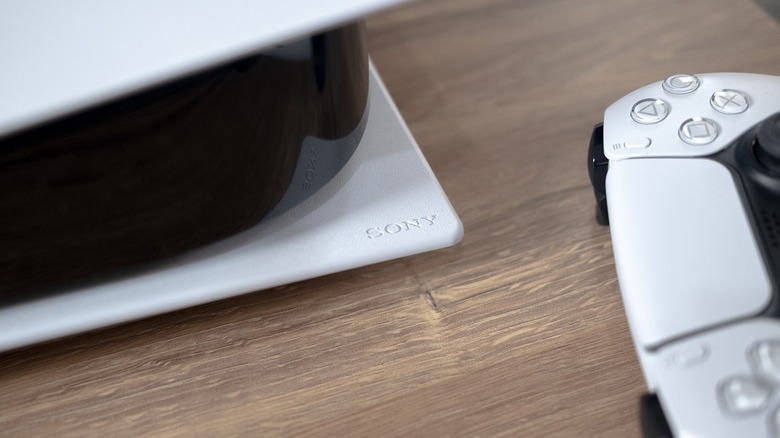
Industry observers have projected that the combination of supply constraints and elevated pricing could substantially impact Sony's gaming division results in the coming fiscal year. The company's financial performance, traditionally bolstered by strong hardware sales during console cycles, may face headwinds as the PS5's momentum slows. Analysts point out that while software sales and subscription services like PlayStation Plus may partially offset hardware declines, the loss of console revenue represents a significant concern for Sony's overall corporate earnings.
The memory shortage specifically affects the PS5's 825GB custom SSD, a component critical to the console's performance architecture and one of its key differentiators from previous generations. This storage solution allows for faster load times and more sophisticated game experiences compared to traditional hard drives. When memory component suppliers struggle to meet demand, Sony faces impossible choices: either reduce production volume or absorb higher costs that compress profit margins.
Competitors have faced similar challenges, though some have managed inventory more effectively or benefited from different supply arrangements. Nintendo's Switch, while operating on substantially different hardware specifications, has also experienced availability constraints. Microsoft's Xbox Series X and Series S have likewise grappled with supply limitations, suggesting this is an industry-wide problem rather than an isolated issue affecting Sony.
Looking forward, industry experts remain uncertain about when supply chains will stabilize sufficiently to meet demand at previous volume levels. Some analysts suggest that relief may arrive by mid-2023, while others maintain more pessimistic forecasts based on geopolitical tensions and ongoing manufacturing capacity constraints. The semiconductor industry's capacity expansion takes years to implement, meaning that even optimistic scenarios involve prolonged shortage conditions affecting multiple market segments.
The impact of reduced PS5 availability extends beyond hardware sales figures. Game developers have faced uncertainty regarding their target install base, potentially affecting investment decisions in exclusive title development. The slower-than-anticipated PS5 penetration in certain markets may influence how aggressively publishers support the platform compared to previous generation consoles at this point in their lifecycle.
Consumer sentiment has also shifted as the prolonged shortage erodes enthusiasm for the PS5. Early adopters who secured consoles at launch have enjoyed exclusive access to next-generation experiences, while prospective buyers face frustration navigating the availability landscape. This dynamic has created psychological barriers that could affect demand even when supply constraints eventually ease.
Sony's broader technology portfolio has also been affected by component allocation challenges. The company must balance limited memory resources across its consumer electronics divisions, including televisions, cameras, and other products that also utilize advanced semiconductor components. This allocation challenge adds complexity to Sony's supply chain management and forces executives to make strategic decisions about which product categories receive priority.
The financial implications for Sony extend beyond the current fiscal quarter, potentially influencing investor confidence and stock performance. Analysts have already begun adjusting revenue projections for Sony's Game & Network Services segment, which encompasses PlayStation operations. These revised forecasts reflect concerns about sustained pricing pressure and volume constraints continuing throughout the remainder of the console's commercial lifecycle.
Nevertheless, Sony has emphasized its commitment to addressing supply constraints and meeting consumer demand as quickly as possible. The company has publicly acknowledged the challenges and provided limited guidance regarding production improvements. Management has indicated that continued focus on optimizing manufacturing processes and securing component supply remains a top priority across the organization.
The PS5 sales decline serves as a stark reminder of how vulnerable even the world's largest technology companies remain to global supply chain disruptions. Sony's situation illustrates broader economic challenges facing manufacturers worldwide as they navigate complex international procurement networks and navigate unpredictable geopolitical developments affecting semiconductor production. Understanding these dynamics provides important context for assessing near-term and long-term prospects for the gaming console market.
Source: Engadget


