
Purdue Pharma Dissolved: New Company Takes Over Opioid Crisis

OxyContin maker Purdue Pharma faces dissolution as federal judge approves criminal sentence. New public health company emerges from landmark opioid settlement.
In a historic legal development, Purdue Pharma, the pharmaceutical manufacturer responsible for producing OxyContin, is set to be dissolved and replaced by a newly formed company dedicated to addressing the opioid crisis that has devastated communities across the United States. This transformative outcome marks the culmination of a sweeping legal settlement that resolves thousands of lawsuits filed against the company over its role in fueling one of the nation's most pressing public health emergencies.
The structural dissolution is expected to be completed by the end of the week, signifying a turning point in how major pharmaceutical corporations are held accountable for contributing to the addiction epidemic. The transition represents far more than a simple corporate restructuring; it embodies a commitment to redirect resources and expertise toward remediation efforts and prevention initiatives. Legal experts have characterized this settlement as unprecedented in scope, addressing the complex web of litigation that accumulated over nearly two decades of the opioid crisis.
A federal judge delivered the decisive criminal sentence to Purdue Pharma on Tuesday, fulfilling a critical requirement from the U.S. Department of Justice investigation. This judicial action served as the final regulatory hurdle necessary to unlock the full implementation of the settlement agreement, paving the way for the company's transformation and the commencement of substantial financial remedies.
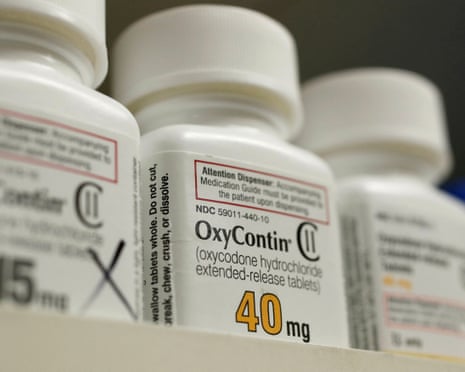
The criminal sentencing reflects the government's determination to establish meaningful consequences for the company's business practices. The Department of Justice investigation uncovered extensive evidence regarding how Purdue Pharma marketed and distributed OxyContin, a potent opioid pain medication that became a cornerstone of prescription opioid dependence across the country. The investigation examined decades of corporate decision-making, sales strategies, and internal communications that ultimately contributed to millions of Americans developing addiction disorders.
The newly established company emerging from this settlement will operate under fundamentally different governance structures and mission parameters than its predecessor. Rather than prioritizing shareholder profits, the successor organization will focus on public health initiatives, harm reduction strategies, and community support programs. This represents a dramatic philosophical shift in how the company will deploy its resources and expertise moving forward.
The settlement's scope extends beyond simple dissolution, encompassing substantial financial commitments to address the ongoing impact of the opioid epidemic. These resources will be directed toward treatment programs, addiction recovery services, and community initiatives designed to mitigate the damage caused by decades of opioid over-prescription. The legal settlement demonstrates a comprehensive approach to remediation that goes significantly beyond traditional monetary damages.
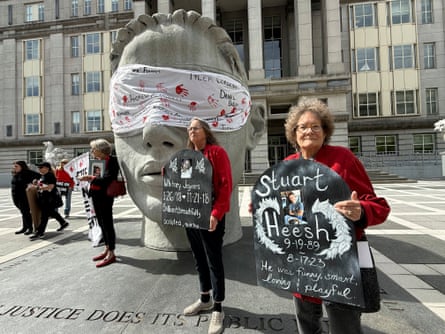
The litigation leading to this settlement has been among the most complex legal proceedings in recent pharmaceutical history. Attorneys general from all 50 states, alongside thousands of municipalities and individual plaintiffs, joined forces to hold Purdue Pharma accountable for its role in the crisis. The consolidated approach reflected the pervasive nature of the problem, which affected urban and rural communities alike across every demographic category.
Industry observers note that this outcome sends a powerful message to other pharmaceutical manufacturers regarding corporate accountability. The dissolution of a major pharmaceutical company represents an extraordinary response that emphasizes the severity of the company's contributions to the opioid epidemic. The federal judge's approval of the sentence underscores the judicial system's commitment to holding corporations responsible for public health crises.
The OxyContin maker's transformation comes at a time when the opioid crisis continues to claim thousands of lives annually. Overdose deaths involving prescription opioids and illicit fentanyl have remained stubbornly high, with synthetic opioids increasingly replacing pharmaceutical products as the primary drivers of overdose mortality. The settlement acknowledges that while corporate accountability is important, the crisis extends beyond any single company.
The new company's operational model will prioritize transparency and public accountability in ways that contrast sharply with traditional pharmaceutical business practices. Board members and executives will be selected based on their commitment to public health rather than profit maximization. This structural change addresses longstanding criticisms regarding conflicts of interest in pharmaceutical governance and decision-making.
Families and communities affected by the opioid crisis have expressed cautious optimism about these developments, though many remain skeptical that restructuring alone can adequately address the ongoing emergency. Advocates emphasize that corporate accountability must be accompanied by sustained investment in treatment infrastructure, recovery housing, and wraparound social services. The settlement provides funding for these initiatives, but implementation challenges remain significant.
The judge's approval of the criminal sentence fulfills legal requirements established in the Department of Justice investigation, allowing the settlement to proceed without further obstruction. This procedural milestone represents a crucial step in ensuring that the resources promised through the settlement can finally flow to affected communities. The timing is critical, as overdose deaths continue to mount and communities struggle with inadequate treatment capacity.
Legal scholars have emphasized that this settlement establishes important precedents for corporate accountability in the pharmaceutical industry. The scope and structure of the remedy create a template for how future litigation against pharmaceutical manufacturers might conclude. The requirement to dissolve and replace the company demonstrates that traditional financial penalties may be insufficient when corporate culture itself contributed to widespread harm.
The completion of the dissolution by week's end marks the official transition to the successor organization. This timing allows the new company to begin executing its public health mission immediately, with dedicated leadership focused on remediation and prevention efforts. The swift transition ensures minimal disruption while demonstrating commitment to the settlement's purposes.
Moving forward, the success of this unprecedented settlement will be measured not merely by the transfer of assets, but by the tangible impact on opioid addiction treatment capacity, community health outcomes, and the lived experiences of individuals and families affected by the crisis. The coming months and years will reveal whether corporate restructuring can translate into meaningful progress against one of America's most devastating public health challenges.
Source: The Guardian

