
Putin Arrives in Beijing for Historic State Visit

Russian President Vladimir Putin touches down in Beijing for major state visit, fourth day after Trump's departure. Relations at 'unprecedented level.'
Vladimir Putin is set to arrive in Beijing on Tuesday for a significant state visit to China, arriving just four days following Donald Trump's departure from the country. This visit underscores the intensifying diplomatic engagement between Russia and China on the international stage, marking a critical moment in geopolitical relations between the two nations.
The Putin Beijing visit represents his 25th trip to China according to official Chinese state media reports, highlighting the depth and frequency of engagement between the Russian and Chinese leadership. The timing of this visit, coming so closely after Trump's own state visit, signals China's emerging role as a focal point for global diplomacy and international relations. Russian officials have previously emphasized that bilateral relations have reached what they describe as an "unprecedented level," suggesting substantial progress in cooperation across multiple sectors.
Moscow and Beijing have been strengthening their strategic partnership over the past several years, with both nations seeking to counterbalance Western influence and establish alternative centers of power in global affairs. The consecutive visits from two major world leaders demonstrate Beijing's growing confidence in its position on the world stage and its capacity to host high-level diplomatic negotiations. This development reflects broader shifts in global power dynamics and the increasing importance of the Russia-China relationship in shaping international policy frameworks.
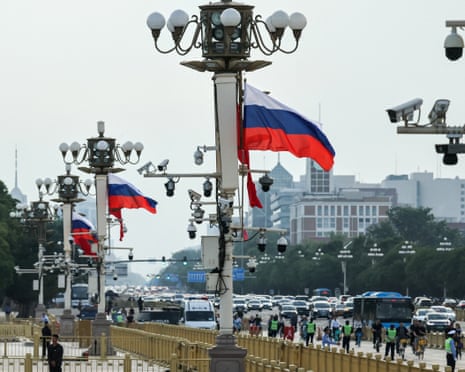
Putin's trip to China comes amid ongoing tensions between Russia and Western nations, including the United States and European Union members. The Russian leader's visit provides an opportunity to reinforce ties with one of Moscow's most important strategic partners and to discuss shared interests in regional security, trade cooperation, and coordination on international issues. The Russian government has long emphasized the importance of the Russia-China partnership as a counterweight to perceived Western hegemony in global affairs.
The Russia-China strategic partnership has deepened significantly in recent years, encompassing cooperation in energy, trade, military affairs, and technology sectors. Both nations have expressed interest in promoting a multipolar world order that challenges the existing Western-dominated international system. Through various joint initiatives and agreements, Moscow and Beijing have demonstrated their commitment to building an alternative power structure capable of addressing global challenges and protecting their respective national interests.
Chinese President Xi Jinping and Putin have cultivated a close working relationship, with numerous high-level meetings and summits held in recent years. These interactions have resulted in comprehensive agreements on energy partnerships, particularly in oil and natural gas sectors, as well as expanding military cooperation and intelligence sharing arrangements. The two leaders have also coordinated their positions on key international issues, including conflicts in Syria, North Korea, and other regional flashpoints.
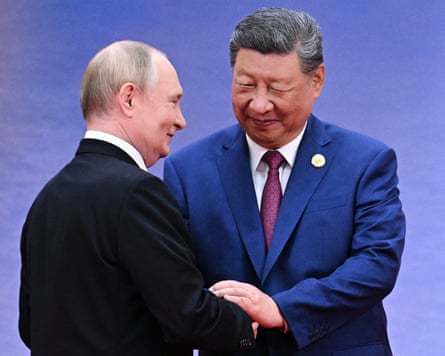
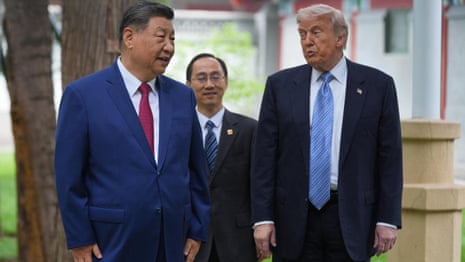
The visit highlights Beijing's sophistication in managing relationships with multiple major powers simultaneously. While hosting Trump just days before Putin's arrival, China demonstrates its diplomatic prowess in balancing competing interests and maintaining engagement with various international actors. This approach reflects Beijing's confidence in its ability to navigate complex geopolitical terrain and assert its influence across multiple dimensions of international relations.
Economic cooperation between Russia and China extends across numerous sectors, with bilateral trade growing steadily despite international sanctions imposed on Moscow. Energy partnerships, particularly in oil and liquefied natural gas, form the cornerstone of economic ties between the two nations. Additionally, technological cooperation, infrastructure projects, and financial arrangements have expanded the scope of their economic relationship, creating interdependencies that strengthen their overall strategic partnership.
The diplomatic significance of Putin's visit extends beyond bilateral relations to broader implications for global order. Russia and China have increasingly coordinated their approaches to international organizations and global governance structures, often presenting unified positions on contentious issues. Their partnership represents a significant realignment of global power dynamics, with implications for security arrangements, trade relationships, and the balance of influence in international institutions.
Moscow and Beijing have worked together to develop alternative financial systems and payment mechanisms, reducing their dependence on Western-controlled financial infrastructure. These efforts include expanding the use of national currencies in bilateral trade, establishing alternative banking channels, and creating parallel economic structures that insulate their economies from Western sanctions and restrictions. Such measures underscore the strategic depth of their partnership and their commitment to challenging Western economic dominance.
The timing of Putin's visit also reflects Russia's desire to maintain strong ties with Asia amid geopolitical tensions with Western nations. As Moscow faces increased isolation from Western countries due to various international disputes, strengthening relationships with Asian powers becomes increasingly important for Russia's long-term strategic interests. China's position as the world's second-largest economy and an emerging superpower makes this partnership particularly valuable for Russian foreign policy objectives.
Putin's visit is expected to include discussions on regional security matters affecting both nations, including developments in Central Asia, concerns about U.S. military presence in the Asia-Pacific region, and coordination on North Korea policy. Both leaders have expressed concerns about American military expansion in Asia and have sought to coordinate their responses to maintain regional stability according to their vision of international relations. The visit provides an opportunity to align their approaches to these critical regional issues and discuss strategies for advancing their shared interests.
The international community watches closely as Russia and China continue to strengthen their partnership, recognizing the significant implications for global geopolitics. Western observers have expressed concern about the deepening alignment between Moscow and Beijing, viewing it as a challenge to the existing international order led by Western powers. The consolidation of the Russia-China partnership represents a fundamental shift in global power distribution and has prompted Western nations to reconsider their strategic approaches to both countries.
Putin's 25th visit to China underscores the frequency and importance of high-level engagement between the two nations' leadership. Such regular interactions facilitate the development of personal relationships between leaders that can translate into more effective cooperation on policy matters. The accumulated history of these visits and the relationships built through them provide a solid foundation for continued partnership and collaboration on matters of mutual interest and concern.
As Putin arrives in Beijing, his visit signals Russia's continued commitment to strengthening ties with one of the world's most important powers. The "unprecedented level" of relations cited by Russian officials suggests a partnership that has matured beyond traditional diplomatic cooperation into a comprehensive strategic alignment. This visit will likely result in new agreements, renewed commitments to existing partnerships, and coordinated strategies on major international issues facing both nations in the coming years.
Source: The Guardian


