
Putin's African Power Play Falters as Mali Faces Militant Crisis

Russian military support fails to prevent devastating rebel attacks in Mali, questioning Moscow's influence and control over the West African nation.
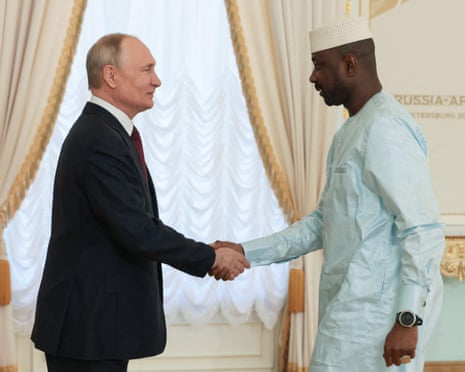
The symbolic meeting between Mali's military junta leader Assimi Goïta and Russian President Vladimir Putin at the Kremlin last summer represented what many analysts viewed as a pivotal moment in Moscow's expanding influence across Africa. The high-profile diplomatic engagement seemed to underscore Russia's growing prominence in the region and its ability to cultivate strategic partnerships with key African governments. However, recent developments on the ground have revealed significant cracks in this carefully constructed relationship, raising serious questions about the actual efficacy of Russian military support and Moscow's true capacity to stabilize volatile situations in West Africa.
At the time of that meeting, approximately 3,500 miles to the south, around 2,000 Russian military personnel were actively deployed throughout Mali, ostensibly providing critical security support to the junta-led regime. Moscow had positioned itself as a reliable alternative to Western powers, offering military training, equipment, and strategic counsel to the government forces. This deployment was part of Russia's broader, ambitious strategy to expand its geopolitical footprint across the Sahel region, a vast expanse of sub-Saharan Africa that has become increasingly important in global security and strategic calculations. The Kremlin's engagement appeared to represent a successful counterbalance to traditional Western influence that had long dominated African affairs.
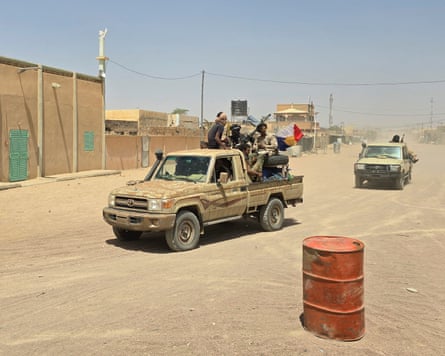
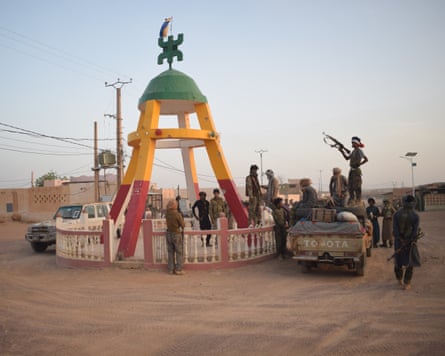
Yet recent militant attacks and insurgent advances have dramatically exposed the limitations of Russia's security framework and questioned whether Moscow's military presence is actually capable of delivering the promised stability and protection. In recent days, rebel fighters have successfully launched significant operations against government forces, seizing strategic towns and inflicting substantial casualties on Mali's military infrastructure. These developments suggest that despite substantial Russian military investment and personnel deployment, the underlying security challenges in Mali remain fundamentally unresolved. The attacks represent far more than isolated incidents—they constitute a comprehensive challenge to the legitimacy and effectiveness of the current governance structure that Russia has been so publicly supporting.
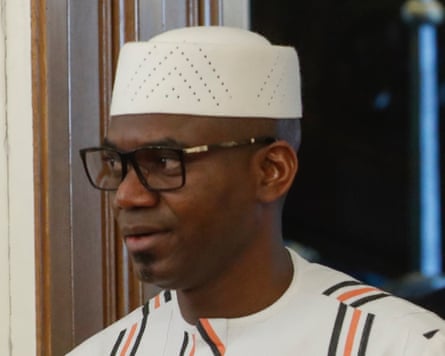
The Mali security crisis has taken a dramatic turn with insurgents achieving unprecedented territorial gains and tactical successes against government forces. Among the most shocking recent developments was the killing of Mali's defence minister, a loss that has sent shockwaves through the military establishment and undermined confidence in the government's ability to protect even its highest-ranking officials. This loss of such a senior military figure represents not merely a tactical setback but a symbolic collapse of governmental authority and protective capability. The fact that rebel fighters were able to strike at such a high-value target demonstrates that Russia's military advisory presence has failed to establish the basic security protocols necessary for protecting the regime's leadership.
The deteriorating situation in Mali raises fundamental questions about the nature of Russian military intervention and the sustainability of Moscow's strategic presence in West Africa. While Russia has successfully marketed itself as an effective alternative security partner to Western nations, the actual results on the ground tell a more complicated story. The Russian military deployment in Mali has not translated into improved security outcomes, consolidated government control, or enhanced military effectiveness. Instead, insurgent groups continue to demonstrate tactical sophistication and operational capability, suggesting that the underlying drivers of Mali's instability—including poverty, weak state institutions, ethnic tensions, and regional extremist networks—remain largely unaddressed by Russia's primarily military-focused approach.
The broader context of Russian influence in Africa has become increasingly complicated as various African nations reassess their strategic partnerships and security relationships. Mali's recent trajectory suggests that simply deploying military personnel and providing weapons systems does not guarantee political stability or military success. The Kremlin's approach appears to prioritize gaining geopolitical influence and countering Western presence rather than developing comprehensive, long-term strategies for addressing the root causes of regional instability. This fundamental mismatch between Russian strategic objectives and local security realities may explain why the impressive military presence has failed to translate into corresponding security improvements.
The attacks carried out by insurgent groups in Mali demonstrate sophisticated coordination, intelligence gathering, and operational planning. These forces appear to understand Mali's complex terrain and security landscape far better than external actors can, regardless of their technological advantages or military resources. The rebels have successfully adapted to Russian training methods being imparted to government forces, developing countermeasures and tactical approaches that neutralize what were supposed to be newly acquired advantages. This cat-and-mouse dynamic suggests that military solutions alone, without addressing political grievances, economic marginalization, and legitimate governance reforms, will prove insufficient for achieving lasting security improvements.
The Putin administration's African strategy has relied heavily on the narrative of offering African nations genuine sovereignty and independence from Western interference. However, Mali's ongoing security crisis suggests that this narrative may not align with operational realities. African governments partnering with Russia are still expected to align with Moscow's broader geopolitical objectives while simultaneously addressing security challenges that often have little connection to Cold War-style great power competition. This fundamental tension between Russia's strategic objectives and actual local security needs creates an inherent instability in these partnerships.
Looking forward, Mali's worsening security situation poses significant challenges for Moscow's credibility across the African continent. If Russia is unable to stabilize Mali despite committing substantial military resources, other African nations may reconsider their own strategic partnerships with Moscow. The government junta in Mali faces mounting pressure to either demonstrate substantial security improvements or potentially seek alternative security arrangements. Meanwhile, Russia must confront uncomfortable questions about the actual effectiveness of its military deployment model and whether this approach can be sustainably applied across multiple African nations simultaneously.
The events unfolding in Mali represent a crucial test case for understanding the real limits and capabilities of Russia's expanding African presence. While Moscow has successfully cultivated diplomatic relationships and military partnerships across the continent, translating these political achievements into tangible security improvements remains an ongoing challenge. The Mali militant attacks serve as a humbling reminder that military power, no matter how impressive on paper, cannot substitute for legitimate governance, economic opportunity, and genuine political reform. As Russia continues to pursue expanded influence across Africa, the Mali case study will likely influence how African nations evaluate the actual practical benefits of Russian partnership versus the considerable geopolitical costs and dependencies such arrangements may entail.
Source: The Guardian


