
Putin Threatens Retaliation After Dorm Strike Allegations

Russian President Putin vows revenge following accusations that Ukraine targeted a student dormitory. Ukraine claims it struck a military drone unit instead.
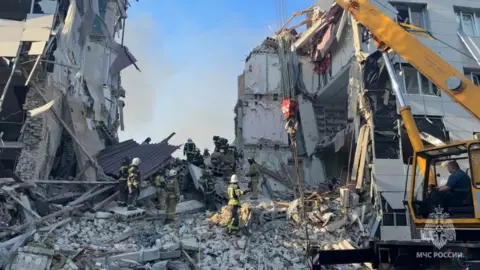
Russian President Vladimir Putin has issued stern warnings of retaliation following allegations that Ukrainian forces attacked a student dormitory, escalating tensions in the ongoing conflict between the two nations. The accusation comes amid intense fighting in eastern Ukraine, where both sides continue to exchange accusations regarding civilian infrastructure targeting.
Putin's inflammatory rhetoric reflects Moscow's pattern of responding to military setbacks with threats of counterattacks, according to analysts monitoring the Russia-Ukraine war. The Kremlin has consistently blamed Ukraine for civilian casualties while simultaneously conducting extensive military operations across Ukrainian territory.
Ukrainian officials have provided a markedly different account of the incident, asserting that their forces successfully struck Russia's elite Rubicon drone military unit stationed in the Moscow-occupied region of eastern Ukraine. This assertion highlights the fundamental disagreement between both parties regarding military targets and civilian infrastructure in the conflict zone.
The Rubicon unit, according to Ukrainian military sources, represents a significant component of Russia's unmanned aerial vehicle operations in the region. Drone warfare has become increasingly central to modern combat operations, with both nations developing and deploying advanced aerial systems against military and infrastructure targets.
Ukraine's targeting of the Rubicon unit, if confirmed, would represent a strategic attempt to degrade Russia's aerial reconnaissance and strike capabilities in occupied territories. The unit has been documented by Ukrainian intelligence services as playing a crucial role in coordinating attacks against civilian areas and military positions throughout eastern Ukraine.
Moscow's immediate response through presidential statements demonstrates the geopolitical tensions escalating between the two nations. Putin's vows of retaliation typically precede intensified military operations, according to defense analysts who have studied patterns of escalation throughout the conflict.
The dispute over the nature and location of the alleged strike reflects broader challenges in verifying claims during active armed conflicts. Both sides maintain sophisticated propaganda apparatus designed to shape international perception of military events and civilian security situations.
International observers have noted that such accusations often serve multiple purposes beyond immediate military concerns. They can influence domestic political support, affect international aid decisions, and shape the narrative regarding responsibility for civilian casualties in the conflict.
The incident highlights the complex reality of modern warfare in densely populated areas, where military installations may be located near civilian infrastructure. Ukraine has argued that such proximity often reflects Russian military strategy of utilizing civilian areas as protective cover for military operations.
Russian military officials have previously accused Ukraine of deliberately targeting civilian infrastructure, including schools, hospitals, and residential areas. These counterclaims form part of an ongoing informational battle between the two nations regarding accountability for civilian harm.
The student dormitory incident adds to a growing catalog of disputed strikes in the ongoing conflict. Each incident generates international scrutiny and demands for investigations, though verification remains extremely challenging given the active combat environment.
Defense experts suggest that Putin's retaliation threats may be designed to demonstrate strength to domestic audiences while justifying increased military operations. Such rhetoric has historically preceded periods of intensified bombardment and military activities across Ukrainian territory.
The Rubicon drone unit's strategic importance cannot be overstated, as Russia has heavily relied on unmanned systems for both intelligence gathering and strike operations throughout the conflict. Degrading these capabilities would represent a meaningful setback for Russian military operations in the region.
Ukrainian forces have demonstrated increasing capability in targeting Russian military assets using precision strikes and advanced tactics. These operations have reportedly inflicted significant damage on Russian military infrastructure, though verification of such claims remains difficult.
The international community continues to call for independent investigations into alleged violations of international humanitarian law by both parties. However, access to conflict zones and the practical challenges of investigation have limited the effectiveness of such mechanisms.
Putin's retaliation threats come at a critical moment in the conflict, with both sides engaged in active military operations across multiple fronts. The rhetoric underscores the absence of diplomatic progress and the continued commitment of both nations to military solutions.
The broader implications of such incidents extend beyond immediate military considerations. They influence international perceptions of the conflict, affect humanitarian access, and shape the geopolitical landscape surrounding the war.
Moving forward, the ability of the international community to facilitate meaningful investigations and accountability mechanisms remains limited. Both Russia and Ukraine continue to prioritize military objectives while managing competing narratives regarding the conduct of the conflict and civilian protection responsibilities.
Source: BBC News


