
Qantas Passenger Banned After Biting Flight Attendant

A Qantas passenger was banned after allegedly biting a flight attendant on a Melbourne-to-Dallas flight, forcing an emergency diversion to Tahiti.
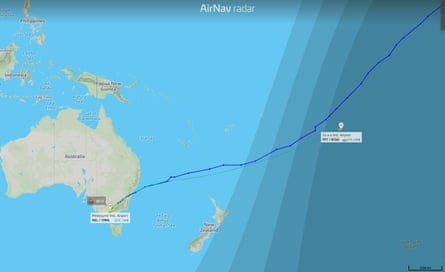
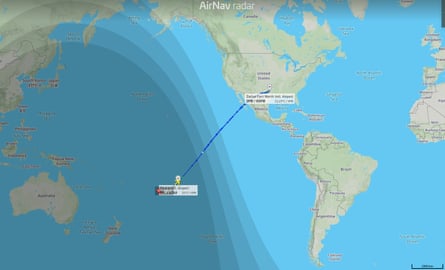
An international flight operated by Qantas Airways experienced an unprecedented incident over the weekend when a passenger allegedly engaged in violent behavior that necessitated an emergency diversion. The QF21 flight departing from Melbourne Airport at 2:30 PM on Friday was bound for Dallas, Texas, when crew members reported increasingly disruptive conduct from one passenger approximately seven hours into the flight. The situation escalated to the point where airline personnel felt compelled to make an emergency landing in Papeete, located on the island of Tahiti, to ensure the safety and security of all individuals on board.
The incident represents a serious breach of airline conduct standards and raises important questions about passenger behavior on long-haul international flights. According to Qantas officials, the male passenger allegedly bit a flight attendant during an altercation, an action that crossed the line from mere disruption into physical assault. This type of behavior toward airline staff is taken with utmost seriousness by aviation authorities and has significant legal consequences for offenders. The airline has since initiated formal proceedings to ensure this passenger faces appropriate accountability for his actions.
Following the emergency landing in Tahiti, the passenger was removed from the aircraft and local authorities in French Polynesia took charge of the situation. The remaining passengers and crew were assessed for any injuries or trauma resulting from the incident, with particular attention paid to the flight attendant who was the alleged victim. After necessary procedures were completed, the flight was able to continue its journey to Dallas, though the unexpected diversion added several hours to the total travel time for all passengers on board.

Qantas Airways has issued an official statement confirming that the passenger has been permanently banned from flying with the airline in the future. This ban represents one of the most severe penalties the airline can impose on a customer and reflects the seriousness with which the carrier views incidents of violence toward staff members. The airline emphasized its zero-tolerance policy regarding passenger misconduct and violence, noting that all employees deserve a safe working environment while performing their duties. Company representatives stated that they would fully cooperate with any investigations conducted by Australian authorities or international aviation regulatory bodies.
The incident highlights growing concerns within the aviation industry regarding disruptive passenger behavior on commercial flights. In recent years, there has been a notable increase in reports of passengers displaying aggressive or violent conduct, often attributed to factors such as intoxication, mental health crises, or general dissatisfaction with travel circumstances. Airlines worldwide have implemented stricter policies and training protocols to help staff members manage these situations effectively while prioritizing safety. Flight attendants receive specialized training in de-escalation techniques and are equipped with protocols for reporting and restraining violent passengers when necessary.
From a regulatory perspective, the Federal Aviation Administration in the United States and similar authorities in other countries have significantly increased penalties for passengers who assault airline staff or engage in dangerous behavior. In the United States, the FAA can impose fines up to $37,000 for certain violations related to passenger misconduct. Additionally, criminal charges may be filed against passengers for assault, which can result in imprisonment and substantial financial penalties. These enhanced enforcement measures reflect the aviation industry's commitment to maintaining safe and orderly flights for all passengers and crew members.
The QF21 route between Melbourne and Dallas is one of Qantas's longest flights, typically taking around 16-17 hours to complete. Long-haul flights present unique challenges for airline crew members, as passengers are confined to relatively small spaces for extended periods, which can contribute to heightened tensions and emotional responses. Airlines operating these routes have implemented various strategies to improve passenger comfort and reduce stress, including enhanced meal services, entertainment options, and crew training focused on passenger relations during ultra-long journeys.
This incident is not an isolated occurrence within the aviation industry. In recent years, numerous airlines have reported escalating incidents of passenger misconduct, prompting industry-wide discussions about root causes and potential solutions. Some experts attribute increased incidents to the stresses of modern air travel, including crowded airports, long security lines, and the general strain of long-distance flying. Others point to increased alcohol consumption on flights and the emotional toll of travel disruptions as contributing factors to aggressive passenger behavior.
The safety protocols followed by Qantas crew members during this incident demonstrate the airline's commitment to proper training and procedures. Flight attendants are trained to recognize escalating situations, employ de-escalation techniques, and follow proper reporting procedures when incidents occur. In this case, crew members made the decision to divert to the nearest suitable airport rather than attempt to continue to the final destination, prioritizing the safety and well-being of all passengers and staff members aboard the aircraft. This decision-making reflects professional judgment and adherence to aviation safety standards.
Looking forward, this incident will likely contribute to ongoing discussions within Qantas and throughout the aviation industry regarding how to better prevent and manage disruptive passenger behavior. Airlines may consider implementing additional screening measures, enhanced communication with passengers about behavioral expectations, and continued investment in staff training programs. The experience serves as a reminder that maintaining order and safety on commercial flights is a shared responsibility between airline personnel, passengers, and regulatory authorities.
For the passenger involved in this incident, the consequences extend beyond the immediate Qantas ban. Depending on the outcome of ongoing investigations and any potential legal proceedings, additional penalties may be imposed at both state and federal levels. The incident will be recorded in aviation databases and may impact the passenger's ability to travel on other airlines as well, as the aviation industry maintains shared information about serious misconduct incidents. The case underscores the importance of treating all air travel participants—whether crew or fellow passengers—with respect and courtesy.
Source: The Guardian


