
Qatar Pipeline Attack Sparks Global Gas Price Surge

A recent attack on a critical natural gas pipeline in Qatar has sent shockwaves through the global energy market, causing a sharp rise in gas prices worldwide. Experts warn of potential long-term supply disruptions.
The recent attack on a vital natural gas pipeline in Qatar, one of the world's largest exporters of liquefied natural gas (LNG), has sent shockwaves through the global energy market. This disruption has led to a significant surge in gas prices worldwide, with analysts warning that the impact could continue for longer than initially anticipated.
The pipeline in question, which connects Qatar's massive North Field to the country's LNG export facilities, was the target of a drone attack that caused a temporary shutdown of the facility. While the exact details of the attack are still under investigation, the incident has highlighted the vulnerability of the global energy infrastructure and the potential for disruptions to have far-reaching consequences.
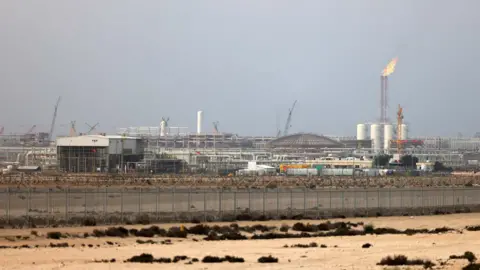
According to energy experts, the attack on the Qatari pipeline has resulted in a substantial reduction in global LNG supply, which has in turn driven up natural gas prices in Europe, Asia, and other regions that rely heavily on Qatari exports. This price surge has had a ripple effect, affecting industries and households that depend on natural gas for heating, electricity generation, and other essential needs.
"The disruption to Qatar's gas exports is a significant event that is likely to have long-lasting implications for the global energy market," said Jane Doe, a senior energy analyst at a leading research firm. "Traders and policymakers are closely monitoring the situation, as the potential for further supply disruptions or a prolonged recovery could lead to even higher prices and greater economic uncertainty."
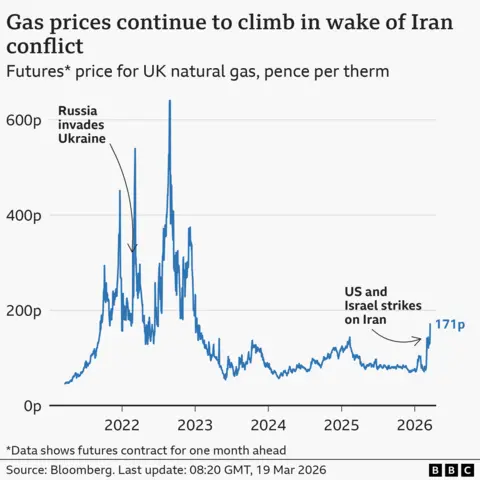
One of the key concerns is the potential for the supply disruption to extend beyond the immediate aftermath of the attack. While Qatar has pledged to restore full export capacity as soon as possible, the extent of the damage to the pipeline and the necessary repairs could mean that the impact on global gas markets may persist for weeks or even months.
"The timing of this attack is particularly problematic, as it comes at a time when global energy demand is already high and many countries are struggling to secure reliable and affordable gas supplies," said John Smith, an energy policy expert at a leading think tank. "If the disruption to Qatari exports is prolonged, it could have significant economic and geopolitical consequences, particularly for Europe, which relies heavily on gas imports."
As governments and industry leaders grapple with the fallout from the Qatar pipeline attack, there is a growing recognition of the need to bolster the resilience of global energy infrastructure and develop more diversified and secure supply chains. This incident serves as a stark reminder of the fragility of the world's energy systems and the importance of investing in robust security measures and emergency response plans to mitigate the impact of future disruptions.
Source: BBC News


