
Quantic Dream Shuts Down MOBA Game Spellcasters Chronicles

Quantic Dream discontinues Spellcasters Chronicles MOBA after struggling against major competitors like League of Legends and Dota 2.
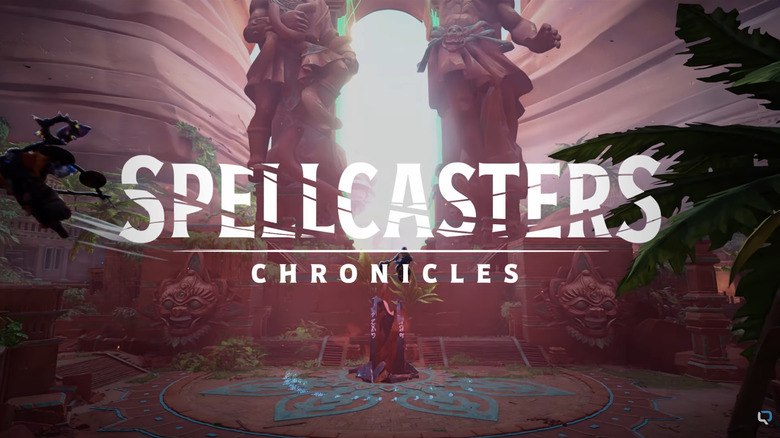
Quantic Dream, the renowned French video game developer known for its narrative-driven interactive experiences, has announced the closure of its ambitious MOBA title Spellcasters Chronicles. The decision marks the end of the studio's venture into the highly competitive multiplayer online battle arena genre, a space dominated by industry giants and established franchises with massive player bases.
The Spellcasters Chronicles shutdown comes after the game struggled to carve out a meaningful niche in an oversaturated market. The title faced intense competition from established powerhouses including League of Legends, which maintains millions of active players worldwide, and Dota 2, which continues to command significant esports attention and community engagement. These flagship MOBAs have spent years building loyal fanbases and establishing themselves as genre standards, making market penetration exceptionally difficult for new entrants.
Quantic Dream's decision to develop a MOBA game represented a strategic shift from the company's traditional focus on cinematic, story-driven experiences that had defined its reputation. The studio had previously gained acclaim for titles like Heavy Rain, Beyond: Two Souls, and Detroit: Become Human, which emphasized narrative complexity and player choice. The venture into the competitive multiplayer space demonstrated an attempt to diversify the company's portfolio and tap into the lucrative esports market.
The competitive landscape of the MOBA genre presents formidable barriers to entry for new players and developers. League of Legends alone generates billions in annual revenue and maintains a thriving professional esports ecosystem with regional leagues spanning multiple continents. Dota 2, powered by Valve's resources and backed by The International tournament with multi-million dollar prize pools, similarly dominates player attention and investment. These established titles benefit from years of refinement, balance patches, and community development that newer competitors cannot easily replicate.
The closure of Spellcasters Chronicles highlights broader industry trends regarding MOBA market saturation and the challenges facing independent developers attempting to compete in genres dominated by well-funded incumbents. Numerous other MOBA titles have faced similar fates, including Heroes of the Storm, which Blizzard significantly scaled back, and various other attempts that failed to gain sufficient traction to justify continued investment. The genre appears to have consolidated around a small number of leaders with enough resources and player momentum to sustain ongoing development and competitive scenes.
For Quantic Dream specifically, the shutdown allows the studio to refocus resources on projects more aligned with its core competencies and brand identity. The company has continued developing narrative-driven experiences and exploring innovative storytelling techniques in interactive media. This pivot back to the studio's strengths suggests internal recognition that the MOBA market requires different expertise, different resource allocation, and different long-term commitment than what the company was positioned to provide.
The decision also reflects the broader economic realities facing game publishers and developers in an increasingly consolidated industry. Even well-capitalized studios must make difficult choices about which projects to continue supporting and which to sunset. The MOBA genre's winner-take-most dynamics mean that only titles with exceptional execution, significant financial backing, and compelling unique features can hope to establish sustainable player communities. Spellcasters Chronicles apparently failed to achieve that critical combination of elements necessary for long-term viability.
Players invested in Spellcasters Chronicles will need to migrate to alternative competitive gaming platforms and MOBA experiences. The shutdown represents lost time and in-game investments for community members who had adopted the title. This pattern repeats across the gaming industry whenever online-only titles cease operations, affecting both casual players and competitive enthusiasts who had invested effort into their accounts and competitive rankings.
Industry analysts view the Spellcasters Chronicles closure as further evidence that the MOBA market has matured into a relatively stable state with clear market leaders unlikely to be displaced. While new MOBAs continue launching, particularly from major publishers with existing player bases to leverage, independent entries face substantially longer odds of success. The genre's competitive nature means players tend to concentrate around established titles with large communities, making critical mass extraordinarily difficult to achieve for newer competitors.
Quantic Dream's exit from the MOBA space may ultimately prove beneficial for the studio's long-term creative vision and financial health. The company can now concentrate on projects where it maintains competitive advantages and market differentiation. Whether through continued work on narrative-driven single-player experiences or new ventures into emerging genres and technologies, Quantic Dream appears positioned to return focus to its proven strengths and established reputation in the gaming industry.
The shutdown of Spellcasters Chronicles serves as a cautionary tale for developers considering entry into established genre spaces. While innovation and fresh perspectives can sometimes challenge market dominance, the financial and structural advantages of existing leaders in competitive gaming spaces create extraordinarily high barriers to entry. Successful new gaming experiences often require either substantial unique innovation that fundamentally changes player expectations, exceptional backing from major publishers with existing distribution networks, or both. Spellcasters Chronicles apparently lacked sufficient elements of either requirement to achieve sustainable success in its chosen market segment.
Source: Engadget


