
Rachel Zegler's Iconic 'Evita' Balcony Scene Wows Audiences

Olivier award-winning actress Rachel Zegler shares her thoughts on the accessibility and impact of her show-stopping 'Don't Cry for Me Argentina' performance from the Evita balcony.
Rachel Zegler, the rising star who won the Olivier award for best actress in a musical, has hailed the accessibility of her iconic Evita balcony scene that captivated London audiences. Zegler's powerful rendition of the show-stopping number 'Don't Cry for Me Argentina' from the balcony of the London Palladium last summer became a must-see moment for theater fans and casual passersby alike.
Speaking at the Olivier awards, Zegler expressed her delight at the inclusive nature of the production, saying, 'It was so beautiful to see people who hadn't purchased a ticket still able to experience the magic of live theater.' The scene allowed those unable to afford tickets the chance to witness the performance from the street below, bringing the production to the people in a uniquely accessible way.
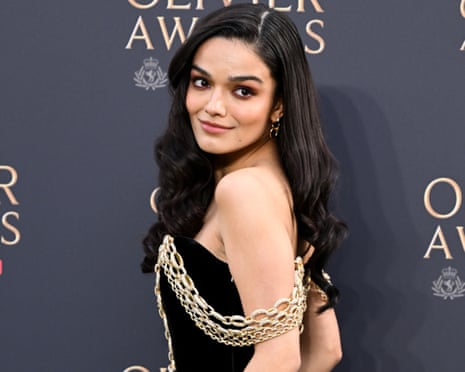
Host Nick Mohammed praised Zegler's balcony performance, noting that she had 'become a new landmark for London sightseers' during Evita's run. 'People who hadn't bought a ticket could effectively watch it live for free whereas everyone inside the theater was enthralled,' he said.
Zegler's win for best actress in a musical at the Olivier awards is a testament to her captivating portrayal of the iconic Eva Perón. The young actress has quickly established herself as a rising talent in the theater world, and her Evita performance has solidified her status as a breakout star.
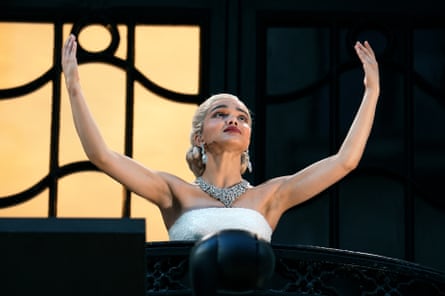
The accessibility of the Evita balcony scene is a testament to the power of live theater to bring people together and share in the magic of performance. Zegler's heartfelt remarks about the experience underscore the importance of making the arts accessible to all, regardless of their means. As the theater industry continues to evolve, productions like Evita that find innovative ways to engage with their surrounding communities will undoubtedly play a vital role in shaping the future of the performing arts.
Source: The Guardian


