
Raghu Rai: India's Visual Historian

Legendary photographer Raghu Rai passes away, leaving behind a remarkable legacy of documenting India's pivotal moments and transforming visual journalism.
The passing of Raghu Rai, one of India's most celebrated and influential photographers, marks the end of an era in visual storytelling. His departure has left the nation mourning the loss of a true artistic visionary who spent decades capturing the essence, struggles, and triumphs of the Indian subcontinent. Through his lens, Rai didn't merely document events; he created a visual narrative of India's journey through some of its most transformative and challenging periods, offering the world an intimate glimpse into the soul of a nation.
Raghu Rai's career spanned several decades, during which he established himself as more than just a photographer—he was a visual historian whose work transcended the traditional boundaries of photojournalism. His images possessed a rare quality: they told stories that words alone could never capture, blending technical mastery with profound emotional depth. Every frame carried the weight of human experience, whether documenting poverty, celebration, tragedy, or resilience. Rai's work became synonymous with authentic, compassionate documentation of Indian life, earning him recognition both domestically and on the international stage.
Throughout his prolific career, Rai became known for his unflinching approach to capturing India's reality in all its complexity. He didn't shy away from depicting difficult truths or uncomfortable moments in the nation's history. Instead, he approached each subject with dignity and respect, ensuring that even in moments of despair or hardship, the humanity of his subjects remained central to his work. This commitment to truthful representation became the hallmark of his photojournalism, distinguishing him from his contemporaries and establishing new standards for the profession.
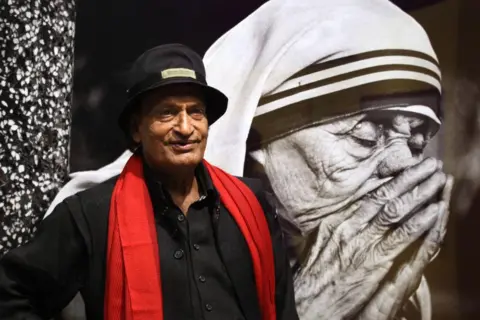
Among his most significant contributions to Indian visual culture was his ability to show India to itself. At a time when much of the world's perception of India was filtered through Western media narratives, Rai provided an indigenous perspective on Indian experiences. His photographs served as mirrors reflecting the nation's identity back to its own people, fostering a deeper connection between individuals and their shared cultural heritage. This role as a cultural ambassador through photography made him invaluable to Indian society's self-understanding and global representation.
Rai's portfolio encompasses an impressive range of subjects that collectively form a comprehensive visual archive of modern India. From documenting the lives of ordinary citizens going about their daily routines to capturing monumental historical events, his work demonstrated remarkable versatility. Whether photographing festivals, religious ceremonies, political movements, or social issues, Rai brought the same level of commitment and artistic integrity to each assignment. His images have appeared in prestigious international publications and have been exhibited in major galleries worldwide, cementing his status as a globally significant artist.
The technical brilliance evident in Rai's photography was inseparable from his philosophical approach to the craft. He understood that photography was not merely about capturing light and shadow on film, but about conveying meaning, emotion, and context. His compositional choices, use of perspective, and timing all served to enhance the narrative power of his images. Many of his photographs have become iconic representations of specific moments in Indian history, their power enduring across generations and serving as educational tools for understanding the nation's past.
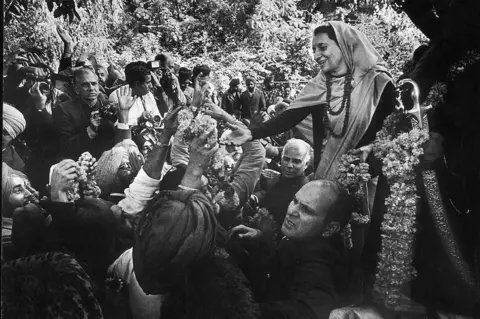
One of the defining characteristics of Rai's work was his deep empathy for his subjects. He never approached his assignments with a detached, clinical perspective typical of some photographers. Instead, he engaged with communities, built relationships, and sought to understand the lived experiences of the people he documented. This human-centered approach meant that his photographs often revealed layers of complexity and nuance that surface-level observation might miss. His subjects emerged from his images not as exotic curiosities or objects of pity, but as fully realized human beings with their own stories, struggles, and dignity intact.
Rai's coverage of some of India's most painful historical moments demonstrated his courage and commitment to bearing witness. He documented events that tested the nation's social fabric, captured moments of collective grief, and recorded instances of human resilience in the face of adversity. These images, while sometimes difficult to confront, served essential functions in historical documentation and collective memory formation. They ensured that significant moments in India's journey were not forgotten or overlooked, but rather preserved for posterity and reflection by future generations.
The influence of Raghu Rai extended far beyond the realm of professional photojournalism. His work inspired countless aspiring photographers to approach their craft with greater intentionality, awareness, and responsibility. He demonstrated that photography could be a powerful tool for social commentary, historical documentation, and artistic expression simultaneously. His legacy includes not just the thousands of remarkable images he created, but also the standard he set for ethical, compassionate, and meaningful visual storytelling in India and beyond.
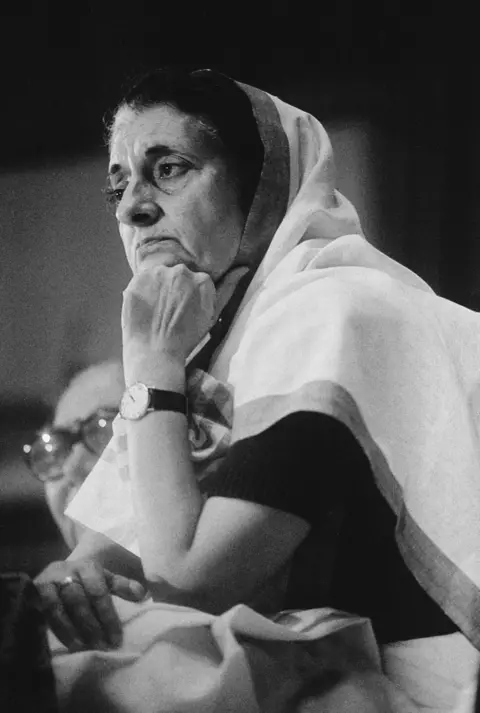
In the context of global photography history, Rai's contributions deserve recognition alongside other legendary photojournalists who shaped the medium. His work exemplifies the best traditions of documentary photography—the commitment to truth, the respect for subjects, the artistic vision, and the dedication to telling stories that matter. International photography institutions and scholars have long acknowledged his significance, yet within India, his work remains deeply personal to the nation's collective identity and historical consciousness.
As India mourns the loss of this visual chronicler, there is growing recognition of the need to preserve and celebrate his legacy comprehensively. Archives are being organized, exhibitions are being planned, and new generations of photographers and historians are discovering his work. His images continue to speak with remarkable clarity about what it meant to be alive in India during transformative historical periods, offering insights that remain relevant to contemporary audiences grappling with questions of identity, development, and social change.
The impact of Raghu Rai's death ripples through India's cultural landscape, serving as a reminder of how visual storytelling shapes national identity and historical memory. His absence is deeply felt by colleagues, students, and admirers who recognized his extraordinary talent and his unwavering commitment to documenting truth. Yet his work endures, a testament to the permanence of art and the power of photography to transcend time, telling stories that remain perpetually relevant to human experience and cultural understanding.
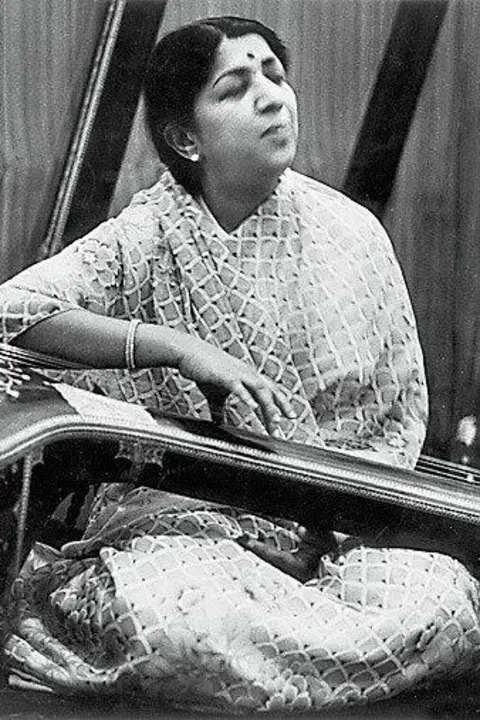
In remembering Raghu Rai, India acknowledges not just the loss of a talented artist, but the departure of a guardian of its collective memory. His photographs will continue to serve future generations as invaluable records of how India looked, lived, and struggled during his lifetime. Through his lens, India showed itself to itself—a gift of profound importance that transcends the boundaries of art and becomes essential to the nation's understanding of its own history and identity.
Source: BBC News


