
Rahm Secures Ryder Cup Spot with DP World Tour Deal

Spanish golfer Jon Rahm settles dispute with DP World Tour, clearing path to 2027 Ryder Cup at Adare Manor. Details of agreement and LIV Golf implications revealed.
Spanish professional golfer Jon Rahm has successfully resolved his longstanding contractual dispute with the DP World Tour, paving the way for his eligibility in the prestigious 2027 Ryder Cup competition set to take place at Adare Manor in Ireland. The settlement marks a significant turning point in professional golf's complicated landscape, where players have increasingly found themselves caught between competing tour obligations and personal ambitions. Rahm's resolution with the DP World Tour demonstrates the growing complexity of modern golf's governance structure and the delicate negotiations required to satisfy multiple stakeholders in the sport.
Under the terms of the newly struck agreement, Rahm will fulfill several key obligations that were central to the dispute resolution. The Spaniard has committed to paying outstanding fines accumulated from previous scheduling conflicts and tournament absences, addressing the primary financial grievance held by the DP World Tour against the player. Additionally, Rahm has agreed to participate in a curated selection of tournaments designated by the tour during the current year, ensuring he maintains an active presence on the circuit and honors his contractual commitments. These provisions represent a carefully balanced compromise that allows both parties to move forward without prolonged litigation or acrimonious disputes.
While confirming his resolution with the DP World Tour, Rahm notably tempered speculation about golfers hastily abandoning LIV Golf in the wake of recent developments. The golfer emphasized that the narrative surrounding mass exodus from the Saudi-backed league oversimplifies the complex realities faced by professional athletes operating within tightly constrained contractual frameworks. Rahm pointed out that players like himself often possess limited autonomy regarding their competitive schedules, with significant portions of their careers dictated by binding agreements that restrict their decision-making authority and limit their ability to freely pursue opportunities elsewhere.

The backdrop for Rahm's settlement involves the dramatic financial restructuring of LIV Golf, the controversial league that has disrupted professional golf since its 2022 launch. Saudi Arabia's Public Investment Fund (PIF), the primary financial engine behind LIV Golf's operations, announced plans to withdraw direct financing from the tour by the conclusion of 2026. This seismic development has sent shockwaves through the professional golf establishment, forcing all stakeholders to reassess their strategic positions and financial commitments. The PIF's decision effectively transforms the financial landscape that Rahm and other elite players have relied upon, necessitating urgent negotiations and alternative arrangements.
Jon Rahm and fellow LIV Golf star Bryson DeChambeau represent the league's most prominent international names and marquee attractions, commanding significant endorsement value and viewership appeal. Industry observers and golf analysts had widely anticipated that both players would initiate formal discussions regarding potential returns to the PGA Tour or other established professional circuits once the PIF's withdrawal became apparent. However, Rahm's recent comments suggest that such transitions may prove considerably more complicated than surface-level analysis might indicate, given the intricate web of contractual obligations, non-compete clauses, and financial penalties that typically govern professional athlete agreements.
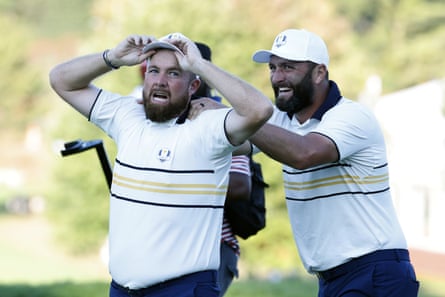
The Spanish golfer emphasized that his situation, while seemingly straightforward to external observers, actually involves multiple layers of complexity that constrain his available options and decision-making latitude. Rahm noted that professional golfers at his level frequently operate under agreements that effectively remove substantial elements of personal choice regarding tournament participation, scheduling commitments, and competitive opportunities. These contractual realities mean that players cannot simply exit agreements whenever circumstances change or better opportunities emerge elsewhere. Instead, they must navigate complex negotiations with current employers while simultaneously attempting to secure favorable terms with potential new organizations.
Rahm's settlement with the DP World Tour should be understood within this broader context of golf's evolving professional structure and the institutional tensions that have characterized the sport in recent years. The Ryder Cup eligibility that the agreement restores represents a particularly significant consideration for Rahm, as the biennial competition remains golf's most prestigious team event and an unparalleled source of national pride and prestige. For European golfers especially, Ryder Cup participation carries profound meaning that transcends financial considerations or individual tournament schedules, making eligibility through the DP World Tour pathway a matter of considerable importance to Rahm's legacy and professional identity.
The 2027 Ryder Cup at Adare Manor will mark an important milestone in professional golf competition, reuniting European and American teams in what promises to be a fiercely contested battle. By resolving his DP World Tour dispute, Rahm has secured a clear path toward European team selection and the opportunity to represent Spain and Europe in this celebrated competition. The significance of this achievement should not be underestimated, particularly given the recent acrimony and division that has characterized professional golf's governance structure and competitive landscape following LIV Golf's aggressive market entry and expansion efforts.
Looking ahead, Rahm's situation may provide a template for other players navigating similarly complicated circumstances, demonstrating that negotiated settlements can effectively resolve contentious disputes between elite athletes and established professional tours. The agreement illustrates the recognition by both parties that a working relationship, despite past tensions and disagreements, serves mutual interests better than continued confrontation. For the DP World Tour, securing Rahm's participation and reestablishing institutional authority over elite Spanish golfers represents a meaningful validation of its governance structure and competitive relevance.
The broader implications of Rahm's settlement extend beyond his individual circumstances to encompass the ongoing structural debates about golf's future governance, competitive organization, and financial sustainability. The PIF's planned withdrawal from direct LIV Golf financing has prompted extensive discussions about how the league will fund operations moving forward and whether alternative investment sources can be secured. These developments suggest that professional golf is entering a new phase of consolidation and reorganization, where the initial chaos and disruption caused by LIV's entry is gradually giving way to more sustainable institutional arrangements and competitive structures that accommodate multiple stakeholder interests.
Rahm's decision to re-engage constructively with the DP World Tour signals his confidence in the tour's long-term viability and his commitment to maintaining relationships across golf's professional ecosystem. By combining his LIV Golf involvement with renewed DP World Tour participation and cleared Ryder Cup eligibility, Rahm positions himself strategically for whatever organizational outcomes ultimately emerge from the current period of transition and negotiation. This multifaceted approach reflects sophisticated understanding of professional golf's complex landscape and the strategic advantages of maintaining flexibility and optionality as circumstances continue to evolve across the sport.
Source: The Guardian


