
Ramaphosa Defies Impeachment Calls, Refuses Resignation

South African President Cyril Ramaphosa firmly rejects resignation demands amid impeachment threats. Learn what prompted the crisis and his statement.
South African President Cyril Ramaphosa made a resolute declaration on Monday evening, categorically stating that he will not step down from his position despite mounting pressure and impeachment calls from various political quarters. The announcement came after days of intense speculation regarding his political future and the potential consequences he might face in the coming weeks.
The president's firm stance represents a critical moment in South African politics, as the nation grapples with internal political turmoil at the highest levels of government. Ramaphosa's refusal to resign signals his determination to weather the current storm and maintain control of his administration, despite the serious constitutional challenges being raised against him. His statement was delivered with clarity and conviction, leaving no ambiguity about his intentions to remain in office.
The impeachment threat has sent shockwaves through the South African political establishment, with various factions debating the legitimacy of the proceedings and the underlying allegations against the president. Lawmakers and political commentators have been engaged in heated discussions about whether the constitutional threshold for removal will be met, should the impeachment process move forward to a formal vote in parliament.
Political analysts have noted that Ramaphosa's decision to resist calls for resignation demonstrates his confidence in his political survival and his belief that he can successfully defend himself against the charges leveled against him. The president's supporters have rallied behind him, arguing that the impeachment effort represents a politically motivated attack rather than a legitimate constitutional exercise.
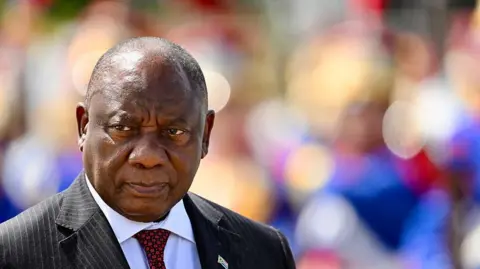
The crisis emerged amid allegations surrounding the president's handling of a security breach at his private residence, which has become a focal point of national controversy. The incident raised serious questions about governance and accountability at the highest levels of the South African government, prompting calls from opposition parties and civil society organizations for swift action. The specifics of what transpired at his property remain a subject of intense public debate and legal scrutiny.
Members of parliament from multiple political parties have been weighing whether to formally initiate impeachment proceedings against the sitting president, a process that would require careful navigation of constitutional requirements and parliamentary procedures. The decision to move forward with such a drastic measure reflects the depth of political division currently facing the nation and the serious nature of the allegations being considered. Legal experts have been analyzing the constitutional grounds for removal, debating whether sufficient evidence exists to support such action.
Ramaphosa's position as leader of the ruling African National Congress (ANC) has been viewed as increasingly precarious by some political observers, though his party remains divided on the question of whether he should continue in his role. The ANC's internal divisions have complicated the political landscape, with different factions within the party holding divergent views on how to address the allegations and the president's future. This internal party conflict has added another layer of complexity to an already intricate political situation.
The broader implications of this political crisis extend beyond the individual fate of one president, potentially affecting South Africa's governance, international standing, and economic stability. Investors and international observers have been monitoring the situation closely, concerned about the potential disruption to government functioning and policy continuity. The uncertainty surrounding the president's position has created a shadow of doubt over the nation's political institutions and their resilience.
The president's Monday evening statement was carefully crafted to address the speculation that had been building throughout the preceding days, during which various media outlets and political commentators had speculated about his potential resignation. By making his position unambiguously clear, Ramaphosa sought to bring an end to the uncertainty and establish his determination to fight whatever challenges lay ahead. His defiant tone suggested he plans to contest any formal impeachment vote that might materialize in parliament.
Civil society organizations and citizens across South Africa have been deeply engaged in discussions about the appropriate response to the allegations and the political crisis, with public opinion appearing somewhat divided on the matter. Some South Africans view the impeachment effort as a necessary check on executive power and a validation of democratic principles, while others see it as a destabilizing political maneuver designed to undermine legitimate authority. The broader population's perspective on these events will likely influence the political dynamics as the situation unfolds.
International observers, including diplomatic representatives from major nations and regional organizations, have been closely following the developments in South African political leadership and the constitutional processes at play. The international community has generally advocated for a resolution that respects South Africa's democratic institutions and constitutional frameworks, while ensuring that any legitimate concerns about governance are properly addressed through appropriate legal channels.
The coming weeks and months will be critical in determining how this political crisis ultimately resolves and what consequences, if any, will emerge from the current standoff. Parliamentary procedures, legal challenges, and political negotiations will all play crucial roles in shaping the outcome of this unprecedented challenge to the president's authority. The resilience of South Africa's democratic institutions will be tested as the nation confronts these significant constitutional and political questions.
Ramaphosa's refusal to resign, combined with his apparent confidence in his political position, suggests he believes he can successfully navigate the current crisis and retain his presidency despite the serious threats arrayed against him. Whether his assessment of the political landscape proves accurate will depend on numerous factors, including the actions of parliamentary members, the outcomes of legal proceedings, and the evolution of public and party opinion in the coming weeks. The president has clearly signaled that he intends to fight to preserve his position and his political legacy.
Source: BBC News


