
RAMpocalypse Gives Microsoft Breathing Room vs SteamOS

Discover how hardware constraints are impacting Valve's SteamOS momentum and giving Microsoft crucial time to defend Windows gaming dominance.
The SteamOS operating system has achieved what countless technology companies, including industry giants like Apple, have struggled to accomplish for more than two decades: making a meaningful impact on Windows' dominance in PC gaming. This breakthrough represents a significant shift in the gaming landscape, one that Microsoft has been forced to acknowledge and address.
Looking at the raw data from Valve's Steam Hardware Survey, the picture becomes clearer when examining the historical trend. While Microsoft still maintains a commanding position with over 92 percent of Steam PCs running some version of Windows, this represents a notable decline from previous years. Five years ago, this figure stood at approximately 96 percent, a plateau that had remained largely unchanged for over a decade. Going back ten years, Windows held just under 96 percent of the market share, and fifteen years prior, the number was similarly around 96 percent. The historical record shows that before Steam even expanded beyond Windows, Microsoft's grip on PC gaming was essentially absolute.
The trajectory becomes particularly striking when examining Linux market share growth on Steam. Between April 2021 and the present day, Linux's presence has grown from under 1 percent to over 5 percent of all machines in the survey. While this may seem modest in isolation, it represents the most significant movement these percentages have experienced in Steam's entire history. The growth isn't solely attributable to SteamOS, as Valve's custom distribution isn't separately tracked in the survey data. However, Arch Linux—the distribution upon which SteamOS is built—accounts for approximately 0.33 percentage points of that 5 percent figure, suggesting considerable underlying momentum.

Valve's strategic approach to Windows game compatibility on Linux has proven revolutionary in how it challenges Windows' gaming monopoly. Rather than attempting to convince game developers to create native Linux ports—a strategy that has repeatedly failed over the past twenty years—Valve developed Proton, a sophisticated compatibility layer that enables Windows games to run seamlessly on Linux systems. This technical innovation bypassed the traditional barrier that has prevented Linux adoption among gamers: the lack of available titles.
The success of this approach stems from understanding market dynamics that eluded previous Linux evangelists. By meeting gamers where they are—playing existing Windows games—Valve created organic growth through word-of-mouth adoption rather than relying on top-down mandates from publishers or aggressive marketing campaigns. Users discovered that they could play their existing game libraries on Linux without waiting for developers to release native versions, removing the primary obstacle to operating system switching.
However, the emergence of what industry observers are calling the "RAMpocalypse" has introduced unexpected complications to this momentum. Global memory chip shortages and supply chain disruptions have created artificial constraints on PC hardware availability, making it increasingly difficult for consumers to upgrade or build new gaming systems. This situation paradoxically benefits Microsoft's entrenched Windows position, as existing machines running Windows remain in active use longer than they otherwise would.

The hardware scarcity dynamic works against Valve's SteamOS adoption strategy in several crucial ways. Consumers facing high hardware costs and limited availability are less likely to experiment with alternative operating systems on new builds. Those investing significant money in new gaming rigs tend toward Windows, the established standard with guaranteed game compatibility. Additionally, businesses and data centers facing similar constraints prioritize stability and compatibility over innovation, further entrenching Windows infrastructure.
For Microsoft, this represents a fortunate reprieve from what appeared to be accelerating competitive pressure. The company has gained valuable time to strengthen Windows gaming infrastructure, develop exclusive titles through acquisitions like Bethesda, and prepare responses to Linux gaming threats. This breathing room allows Microsoft to maintain its market position without requiring dramatic strategic pivots or massive investments in gaming-focused innovations.
The supply chain challenges have effectively created a natural experiment in market dynamics. As hardware becomes more scarce and expensive, switching costs increase substantially. A consumer who might have been tempted to experiment with SteamOS on a new mid-range gaming PC cannot easily justify the expense of purchasing hardware specifically to test an alternative operating system. The friction introduced by hardware constraints has temporarily reversed the momentum that Proton and SteamOS had been building throughout 2020 and 2021.
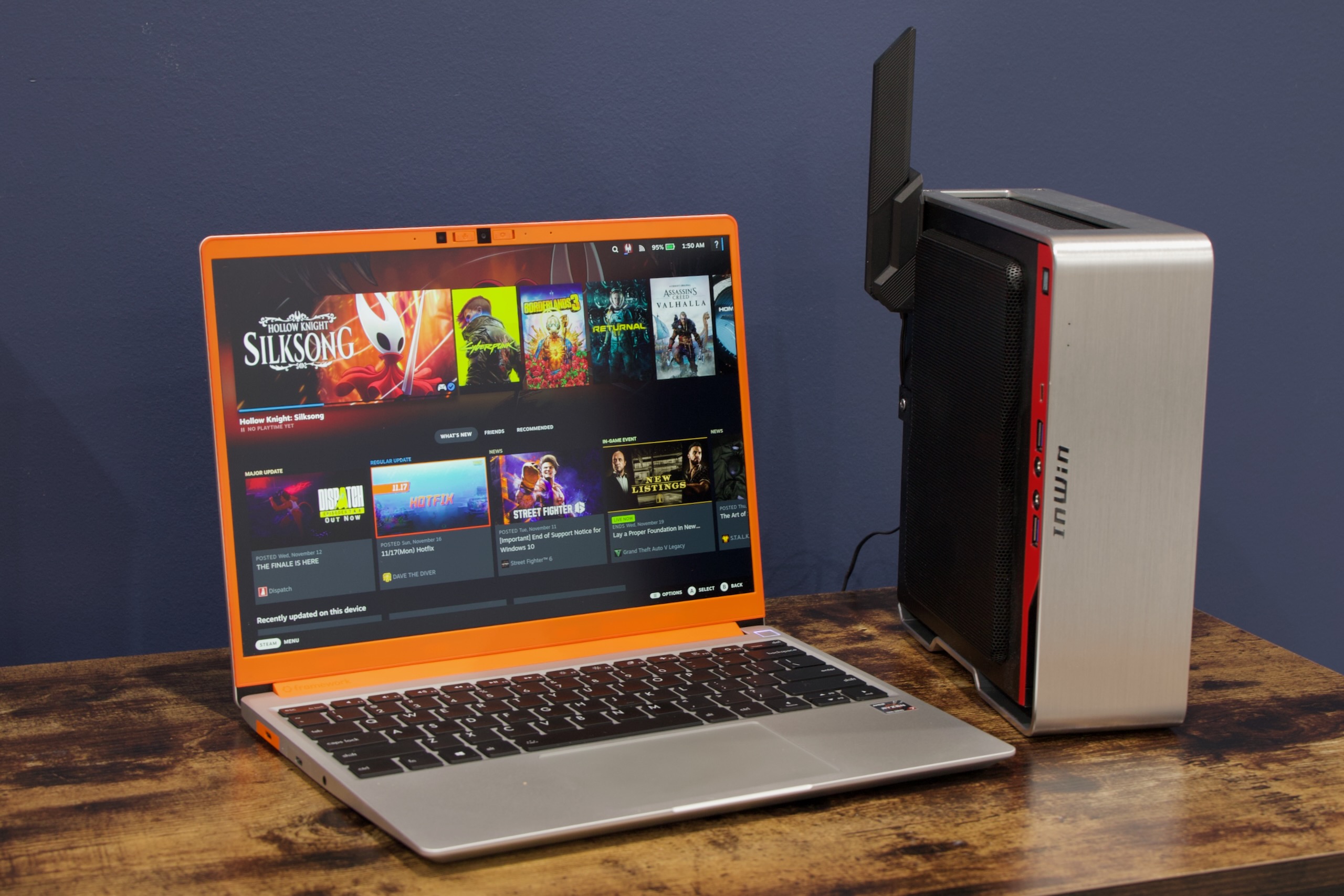
Looking ahead, the trajectory of PC gaming competition will likely depend on how quickly supply chains normalize. If hardware availability returns to historical levels and prices decline, the conditions that enabled SteamOS market growth will resume. Conversely, if constraints persist for an extended period, Windows' position could solidify further as consumers resign themselves to the status quo rather than exploring alternatives.
The broader significance of this situation extends beyond immediate market share figures. Valve has demonstrated that alternative gaming platforms can compete with Windows not through aggressive corporate strategy, but through genuine technological innovation and user-centric design. The fact that Linux market share doubled in just four years proves that the traditional narrative of inevitable Windows dominance was never truly ironclad—it was merely the result of network effects and software availability, both of which Proton has systematically addressed.
Industry observers will be watching closely as supply chains stabilize to see whether the RAMpocalypse merely delayed SteamOS' rise or fundamentally altered the competitive landscape. The outcome will have significant implications for the future of PC gaming and the viability of alternative operating systems in markets traditionally dominated by single players. For now, Microsoft has gained unexpected leverage from circumstances entirely outside the software domain, illustrating how external factors can reshape technology competition in unpredictable ways.
Source: Ars Technica


