
Rare Amoeba Infection Leaves Man Covered in Deadly Lesions

A 78-year-old man's mysterious illness was caused by Acanthamoeba, a free-living amoeba found in tap water. Doctors finally identified the rare infection at Yale School of Medicine.
Over the course of six months, a 78-year-old man experienced a devastating and unprecedented medical crisis as black lesions and deep, spreading ulcers progressively consumed his body, leaving physicians at multiple medical facilities bewildered and searching for answers. His face became increasingly disfigured, covered entirely in dark, necrotic scabs that destroyed his appearance. The infection proved particularly severe around his facial features, where a single lesion ravaged his left eyelid, rendering it essentially non-functional, while another lesion created a horrifying perforation between the roof of his mouth and his nasal cavity, severely compromising his ability to eat and breathe normally.
The man's condition deteriorated steadily despite receiving care at several medical institutions, with doctors struggling to identify the source of his mysterious affliction. His symptoms seemed to defy conventional diagnosis, and the progressive nature of his infection suggested an unusually aggressive pathogenic process. The visible destruction of his tissues was not only medically alarming but profoundly psychologically distressing for both the patient and his medical team. As the months passed without a clear diagnosis, the man's quality of life continued to diminish significantly.
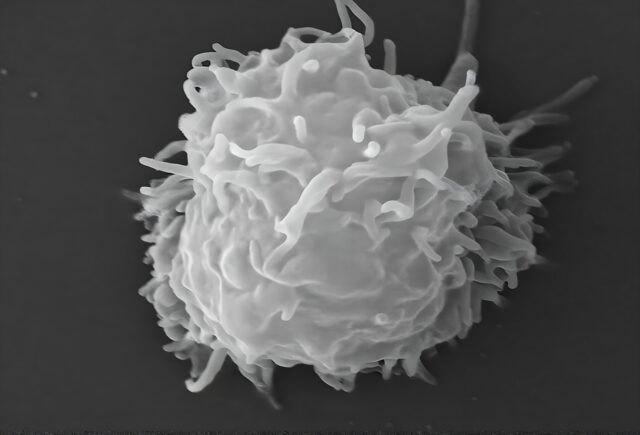
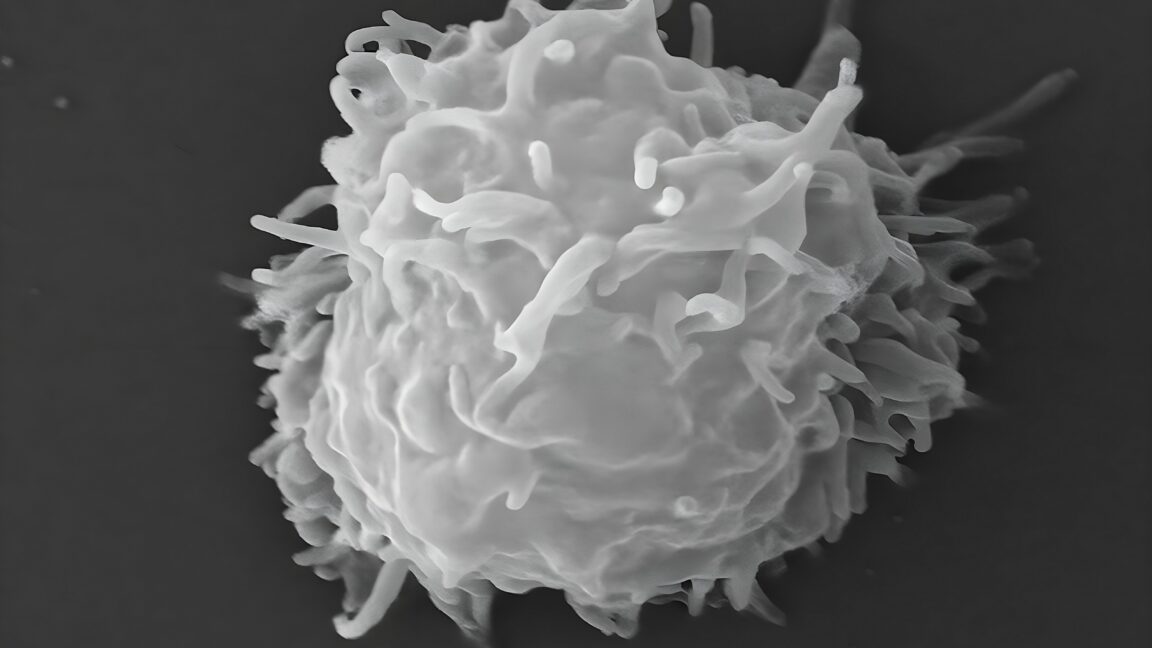
It wasn't until the man was transferred to Yale School of Medicine hospital for specialized, higher-level care that infectious disease experts finally made the critical breakthrough. Through advanced diagnostic techniques and the expertise of Yale's medical team, physicians identified the causative agent: Acanthamoeba, a free-living amoeba that exists commonly in numerous environments throughout the natural world. This microscopic organism can be found in tap water, soil, swimming pools, hot springs, and various other aquatic environments, making it potentially accessible to virtually anyone.
The man's case, documented thoroughly by medical researchers, was subsequently published in the prestigious journal Emerging Infectious Diseases, a publication of the Centers for Disease Control and Prevention. The case report provides detailed clinical observations and medical documentation of this exceptionally rare presentation. The severity and progression of the infection, combined with the unusual circumstances of the patient's infection, made this case particularly noteworthy for the medical and scientific community. Doctors emphasized that this particular case represented an extraordinarily rare manifestation of a pathogen that is known to exist but rarely causes such widespread and severe systemic infection.
Acanthamoeba infections are recognized medical phenomena that can cause particularly horrifying and disfiguring infections when they become established in the human body. The amoeba is known in medical literature to cause devastating cutaneous infections that result in the formation of ulcers and necrotic lesions similar to those observed in this patient's case. However, such severe systemic infections remain exceptionally rare, even among immunocompromised populations.
Typically, Acanthamoeba infections that progress to severe systemic disease are documented almost exclusively in patients whose immune systems are significantly compromised or who are otherwise in severely debilitated medical conditions. The opportunistic nature of this pathogen means it typically establishes itself when the body's natural defenses are substantially weakened. Patients with HIV/AIDS represent a particularly vulnerable population, as their severely compromised immune systems cannot effectively combat the infection once it takes hold. Cancer patients, particularly those undergoing active chemotherapy that suppresses immune function, are also at elevated risk for developing severe Acanthamoeba infections.
Individuals with poorly controlled diabetes represent another population at heightened risk, as chronic hyperglycemia and the inflammatory state associated with diabetes can impair immune function and wound healing. Organ transplant recipients who must take powerful immunosuppressive medications to prevent rejection of their grafted organs are at particularly high risk for opportunistic infections, including those caused by Acanthamoeba. These immunosuppressive medications, while essential for maintaining transplanted organs, create an immunologic environment where normally non-pathogenic organisms can establish severe infections.

What made this particular case extraordinarily unusual and medically significant was that the 78-year-old man did not fit into any of the typical risk categories that would predispose someone to developing a severe Acanthamoeba infection. He was not HIV-positive or living with AIDS, he did not have a diagnosed malignancy, and he did not have poorly controlled diabetes or other significant metabolic disorders. Most remarkably, he was not taking powerful immunosuppressive medications and was not an organ transplant recipient. His immune system, at least by conventional medical assessment, appeared to be functionally intact and competent.
This absence of typical immunocompromising factors made the development of such a severe, progressive Acanthamoeba infection virtually unprecedented in medical literature. The case presented a substantial diagnostic and therapeutic challenge because physicians had to initially consider other potential etiologies before eventually identifying this rare pathogenic organism as the causative agent. The diagnostic delay, while ultimately inevitable given the rarity of this presentation, unfortunately allowed the infection to progress extensively before treatment could be initiated.
The identification of Acanthamoeba in this patient's case required sophisticated microbiological techniques and the expertise of infectious disease specialists with experience in parasitic and unusual infections. The organism needed to be cultured from clinical specimens and identified through microscopic examination and potentially molecular diagnostic methods. Once identified, treatment with appropriate antimicrobial agents could be initiated, though the extensive tissue damage that had already occurred could not be reversed.
The prognosis for patients with disseminated Acanthamoeba infections remains poor despite treatment, with mortality rates remaining high even with appropriate therapy. This reflects both the aggressive nature of the organism and the difficulty in completely eliminating the infection once it has become established in multiple body tissues. The case of this 78-year-old man, though ultimately tragic, provides valuable clinical insights into the potential severity of infections caused by organisms normally considered to be environmental contaminants rather than significant human pathogens.
Source: Ars Technica

