
Rare Ebola Strain Outbreak Kills 65 in Congo, Uganda

Africa CDC confirms unusual Ebola outbreak in DRC's Ituri province with 246 suspected cases and 65 deaths. First case detected in Uganda.
The Africa Centres for Disease Control and Prevention issued an official confirmation on Friday regarding a significant Ebola outbreak that has emerged in the Northeastern Ituri province of the Democratic Republic of the Congo. The announcement marked a critical moment in disease surveillance, as health authorities scrambled to contain what would become one of the most consequential viral hemorrhagic fever events in recent African history. Following this confirmation, neighboring Uganda's health ministry reported alarming news that the deadly virus had crossed international borders, with officials identifying one confirmed case of the disease in Kampala, the nation's capital city.
The case identified in Uganda represents what epidemiologists term an "imported" case, suggesting direct transmission originating from the outbreak zone in the Democratic Republic of the Congo. This transnational spread immediately elevated concerns among public health officials across the East African region, prompting heightened surveillance measures and rapid response protocols. The detection of disease transmission across borders underscored the potential for wider dissemination and the urgent need for coordinated international response efforts to prevent further geographical expansion of the outbreak.
According to the latest epidemiological data compiled by health authorities, the Democratic Republic of the Congo has documented 246 suspected cases of Ebola virus disease, with 65 confirmed fatalities attributed to the outbreak. The majority of these cases and deaths have been concentrated in two critical health zones: Mongwalu and Rwampara, which have become the epicenter of the current public health emergency. These health zones, located in the resource-constrained Ituri province, have faced significant challenges in implementing containment measures and providing adequate clinical care to affected populations.
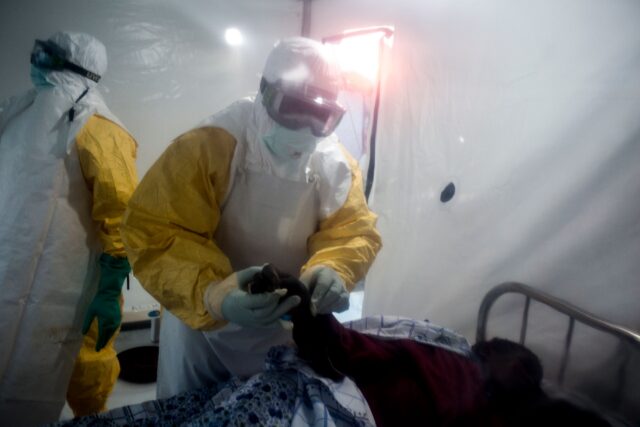
Despite having just been formally reported and confirmed by regional health authorities, the scale of this outbreak has already positioned it as a significant Ebola event in historical context. Preliminary calculations and comparisons with documented Ebola outbreaks dating back decades suggest that this outbreak ranks approximately 10th among the largest Ebola outbreaks ever recorded. This ranking takes into account the total number of confirmed and suspected cases, as well as the associated mortality count, placing it among the more substantial disease emergencies of this nature in the epidemiological record.
What makes this outbreak particularly notable is its historical context within the Democratic Republic of the Congo's experience with Ebola virus disease. This latest outbreak marks the 17th occurrence of Ebola in the DRC since the virus was initially discovered and identified in 1976. Throughout the decades, the country has been disproportionately affected by multiple outbreaks, establishing a pattern of recurrent disease emergence that has challenged public health systems and highlighted vulnerabilities in disease control infrastructure.
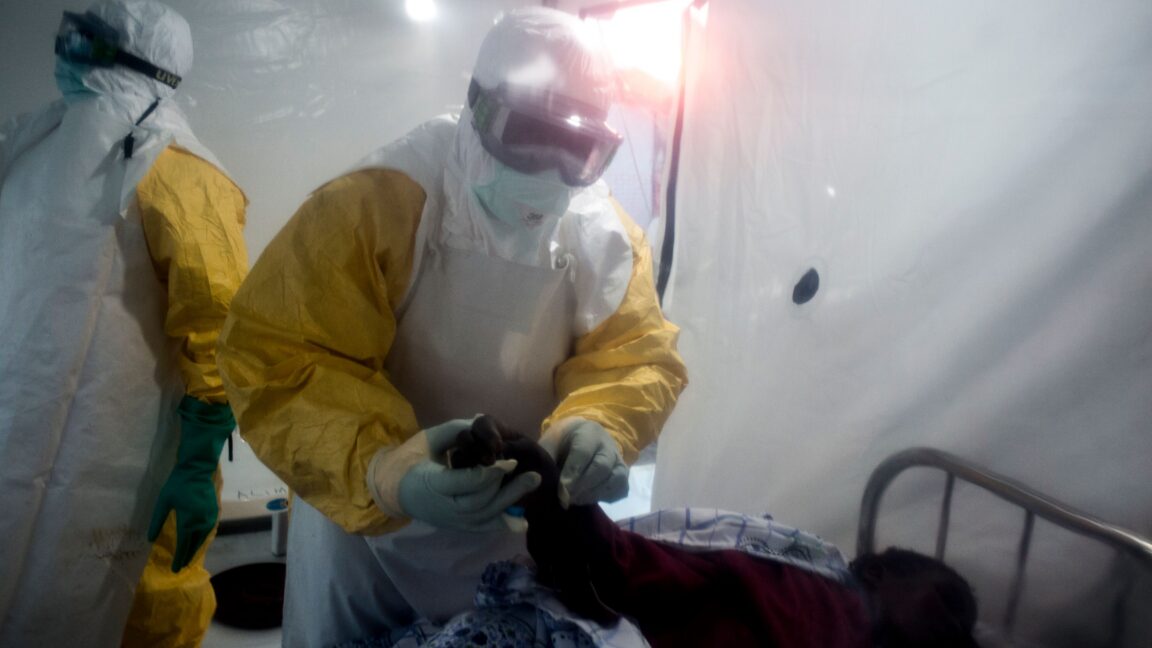
However, what distinguishes this current outbreak from the vast majority of previous Ebola virus disease outbreaks in the DRC is the apparent viral strain involved. Preliminary laboratory results obtained thus far suggest that the current outbreak may not be caused by the Zaire Ebola virus strain, which has been responsible for almost all of the country's past Ebola emergencies. The Zaire strain has historically been the most frequently encountered variant in the DRC and has been associated with some of the most severe outbreaks globally, including the devastating 2014-2016 West African epidemic that claimed thousands of lives.
The preliminary findings indicating a different viral strain have significant implications for outbreak response strategies, therapeutic development, and vaccine effectiveness considerations. Different Ebola strains exhibit varying characteristics in terms of transmissibility, incubation periods, and clinical severity, factors that could influence how rapidly the outbreak spreads and how effectively current medical countermeasures may perform. The genetic diversity among Ebola viruses underscores the complexity of managing these rare but deadly pathogens across different geographical and epidemiological contexts.

Further comprehensive genetic sequencing analysis is currently underway to definitively identify the specific Ebola virus strain responsible for the current outbreak. Sophisticated molecular techniques and collaborative laboratory efforts involving multiple reference centers are being mobilized to characterize the viral genome and provide clarity on the precise viral species causing these illnesses. This detailed genetic work is essential for epidemiologists and clinicians seeking to understand the outbreak's origin, transmission dynamics, and potential trajectory.
The identification of an unusual or unexpected Ebola strain would carry substantial implications for the global public health community, potentially indicating either a novel reassortment of genetic material, a previously unrecognized viral variant, or an emergence pattern different from historical patterns. Understanding which Ebola strain is responsible for the current outbreak will inform decisions regarding the deployment of specific diagnostic tools, the selection of appropriate therapeutic interventions, and the determination of which vaccines might provide protection against this particular variant.
Regional health authorities and international disease surveillance networks have intensified their monitoring and response activities in response to this outbreak confirmation. The involvement of multiple countries and the cross-border case identification underscores the importance of regional cooperation and information sharing in managing infectious disease threats that do not respect international boundaries. As investigations continue and more laboratory results become available, the characterization of this outbreak will likely provide important insights into Ebola virus epidemiology and the persistent risk of emerging and re-emerging viral hemorrhagic fevers in Central Africa.
Source: Ars Technica


