
Rare Horse Breed Centre Scales Back Operations Amid Costs

A renowned rare-breed horse centre faces financial pressures, forcing closure of visitor facilities while maintaining essential breeding programs.
A prominent rare-breed horse centre has announced significant operational cutbacks due to mounting financial pressures, marking a challenging period for equine conservation efforts. The facility, which has served as a vital sanctuary for endangered horse breeds, will continue its core breeding programs while closing public-facing amenities to reduce overhead costs.
The decision to scale back operations reflects broader economic challenges facing agricultural and conservation organizations across the region. Rising operational costs, including feed prices, veterinary care, and facility maintenance, have created an unsustainable financial burden for the equine conservation facility. Management indicated that the closure of visitor services represents a strategic pivot to ensure the long-term survival of their critical breeding programs.
The horse stud operations will remain fully operational, maintaining the centre's primary mission of preserving rare and endangered equine bloodlines. This core function represents the facility's most essential work, providing genetic diversity and breeding stock for threatened horse breeds that might otherwise face extinction. The breeding programs have been instrumental in maintaining populations of several critically endangered breeds over the past decades.
However, the closure of the visitor centre and cafe eliminates a significant revenue stream that had previously helped subsidize the conservation work. These public facilities attracted thousands of visitors annually, providing educational opportunities about rare horse breeds while generating crucial income through admissions, tours, and food service operations.
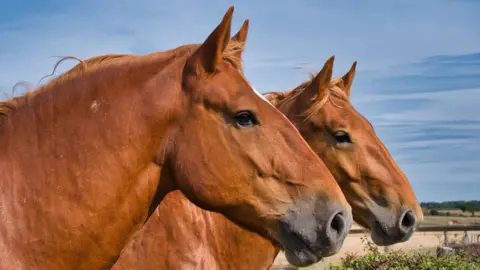
The financial restructuring comes at a time when many similar conservation organizations are grappling with increased operational expenses and reduced funding opportunities. Feed costs have risen dramatically over the past year, while specialized veterinary care for rare breeds requires significant expertise and resources. Additionally, maintaining proper facilities for breeding operations demands ongoing investment in infrastructure and equipment.
Staff members expressed disappointment about the visitor centre closure but emphasized their commitment to the horse breeding mission. The educational programs that had been offered to school groups and the general public provided valuable awareness about equine conservation efforts and the importance of maintaining genetic diversity in horse populations.
The centre's management team is exploring alternative funding sources and partnership opportunities to potentially restore visitor services in the future. Grant applications to conservation organizations and discussions with local government entities are underway to identify sustainable financing solutions that could support both breeding operations and public engagement activities.
Local community members have expressed concern about the impact on regional tourism, as the facility had served as a popular destination for families and equine enthusiasts. The rare horse breeds housed at the centre include several varieties that are rarely seen elsewhere, making the facility an important educational resource for the broader public.
Industry experts note that this situation reflects a broader trend affecting conservation organizations worldwide. The specialized nature of rare breed conservation requires significant resources while often operating with limited commercial viability. Unlike mainstream agricultural operations, conservation breeding programs focus on genetic preservation rather than profit maximization, creating inherent financial challenges.
The centre's breeding records and genetic databases will continue to be maintained, ensuring that the valuable genealogical information accumulated over years of careful breeding work remains available to researchers and other conservation facilities. This documentation plays a crucial role in coordinating breeding efforts across multiple facilities to maintain healthy genetic diversity.
Veterinary partnerships remain in place to support the ongoing health and welfare of the animals in the breeding programs. The facility maintains relationships with specialists in equine reproduction and genetics who provide essential services for the conservation mission. These professional relationships are critical for the success of artificial insemination programs and genetic testing initiatives.
The financial challenges facing the centre mirror those experienced by zoos, wildlife sanctuaries, and other conservation facilities that rely on a combination of admission fees, donations, and grants to fund their operations. The economic pressures intensified during recent years have forced many such organizations to make difficult decisions about which programs to maintain and which to suspend.
Despite the current setbacks, the centre's leadership remains optimistic about the future of their rare breed conservation efforts. Plans are being developed to potentially offer limited guided tours or special events that could generate some visitor revenue while maintaining focus on the breeding operations. These initiatives would need to operate within the constraints of reduced staffing and facility limitations.
The horse breeding community has rallied around the centre, with several prominent breeders and organizations offering support through equipment donations and volunteer assistance. This collaborative approach demonstrates the importance of the facility's work within the broader equine conservation network and provides hope for maintaining operations during this challenging transition period.
Research partnerships with universities and equine science programs continue to provide some financial support while advancing knowledge about rare breed characteristics and conservation techniques. These academic collaborations offer mutual benefits, providing students with hands-on experience while generating research funding that helps support the facility's operations.
The centre's commitment to transparency has been evident in their communication with supporters and the local community about the financial challenges and operational changes. Regular updates through newsletters and social media keep stakeholders informed about the status of breeding programs and future planning efforts, maintaining engagement despite the closure of visitor facilities.
Source: BBC News


