
Reeling in Sustainability: Tech Tackles Bycatch Crisis in Oceans

Discover how innovative fishing technologies are helping reduce accidental capture of turtles, whales, and other marine wildlife, revolutionizing sustainable fishing practices.
Our oceans are full of sophisticated, perfect traps: Nets, hooks, and fishing lines. Designed to capture animals destined for our dinner tables, they often inadvertently snare other wildlife too.
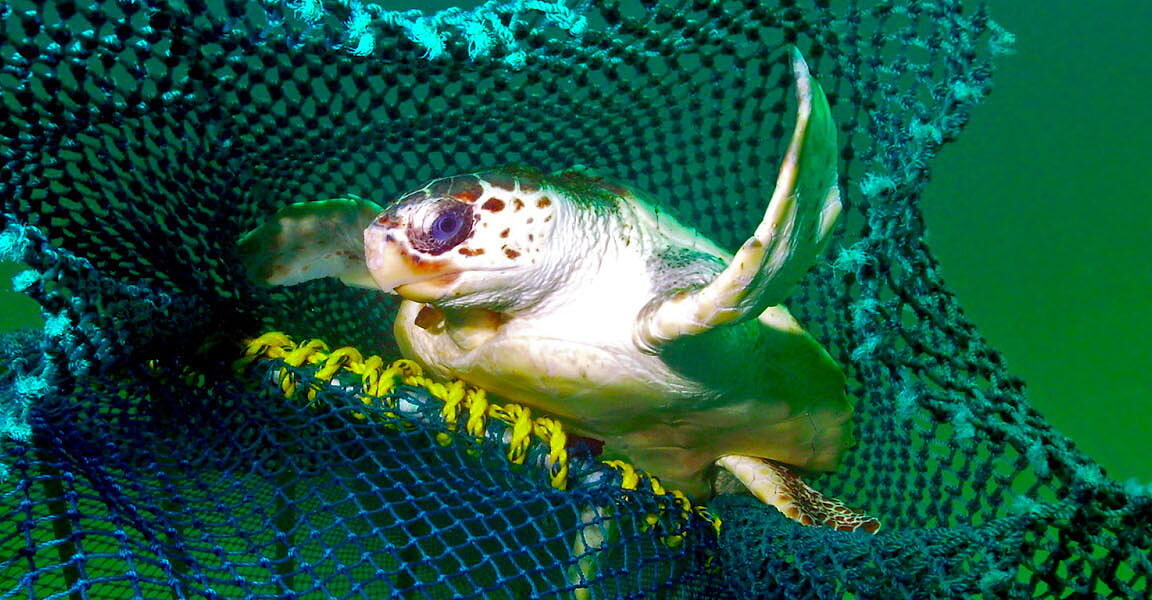
This accidental harvest, known as bycatch, results in the needless death of millions of marine animals every year, including whales, dolphins, sharks, turtles, and seabirds. Nets and gear can asphyxiate animals or cause fatal injuries; even when the animals are tossed back to sea, they frequently die. Bycatch is also a dilemma for fishermen—entangled creatures can destroy equipment, costing time, money, and fisheries' reputations.
Over the decades, conservationists, researchers, and fishermen have developed ways to minimize various kinds of bycatch in different fishing stocks around the world. But putting these solutions to work is often a challenge, and many mitigation strategies are never widely implemented.
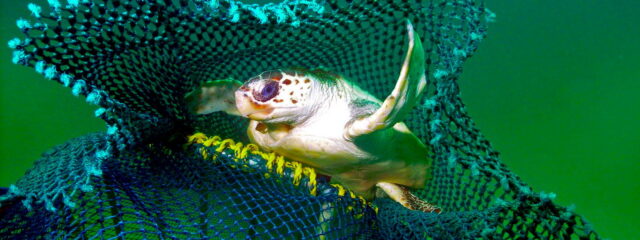
Now, a new wave of innovative technologies is emerging to help tackle the bycatch crisis. From LED lights that scare away turtles to ropeless gear that prevents entanglement, these advancements are revolutionizing sustainable fishing practices and offering hope for our imperiled marine ecosystems.
One promising solution is the use of LED lights on fishing nets. Studies have shown that certain color combinations, like green and blue, can effectively deter sea turtles from getting caught. The lights make the nets more visible, allowing the turtles to avoid them. Trials in the United States and Mexico have demonstrated bycatch reductions of up to 70% for certain turtle species.
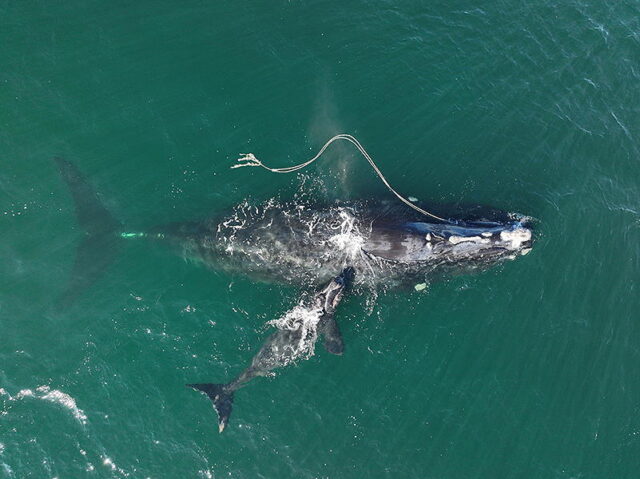
Another innovative approach is ropeless fishing gear, which eliminates the vertical lines that often entangle whales, dolphins, and sea lions. These systems use compressed air or buoyant lines that can be released from the seafloor, allowing fishermen to retrieve their gear without the risk of entanglement. Researchers are also experimenting with acoustic deterrents that emit sounds to scare away marine mammals.
While these technologies hold great promise, their adoption is often hindered by cost, complexity, or resistance from traditional fishermen. Overcoming these barriers will require collaborative efforts between policymakers, industry leaders, and conservation groups. By working together, we can ensure that the catch is targeted and the bycatch is minimized, protecting our oceans' delicate balance for generations to come.
Source: Ars Technica


