
Reeves Unveils Free Summer Bus Scheme and Food Tariff Cuts

Chancellor Rachel Reeves launches cost-of-living relief package with free children's bus rides and reduced food import tariffs following fuel duty postponement.
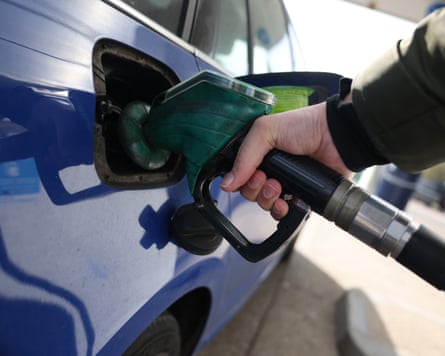
In a significant move to address mounting cost-of-living pressures facing British families, Chancellor Rachel Reeves is set to unveil an ambitious package of economic relief measures designed to help consumers navigate anticipated inflationary challenges. The announcement comes as the government seeks to demonstrate its commitment to supporting households during a period of economic uncertainty, following Prime Minister Keir Starmer's recent decision to scrap the planned fuel duty increase.
The centerpiece of Reeves' intervention will be the introduction of a 'Great British summer savings scheme', which promises to deliver free bus travel for children during the summer months. This initiative represents a direct attempt to reduce family expenditure on transport during the school holidays, a period when household budgets are typically stretched by childcare costs and summer activities. The scheme aims to provide meaningful relief to parents and guardians while encouraging sustainable transport usage among younger citizens.
In addition to the free summer bus rides initiative, the chancellor's package will include tariff reductions on food imports, targeting staple commodities that significantly impact household grocery bills. By lowering import duties on essential food items, the government hopes to reduce retail prices and ease inflationary pressure on consumer spending. This dual approach demonstrates a comprehensive strategy to tackle inflation mitigation across both transport and essential goods categories.

Rachel Reeves will formally present these measures during a statement to Parliament on Thursday, providing detailed explanations of how the proposals will be implemented and funded. The House of Commons appearance represents an important opportunity for the government to outline its broader economic strategy and respond to opposition criticisms regarding its approach to managing the cost crisis. The timing of the announcement is strategically significant, as it precedes anticipated inflationary pressures expected to materialize later in the fiscal year.
The living costs package must be understood within the context of recent government decisions and economic forecasting. Keir Starmer's decision to abandon the fuel duty increase—a policy that would have automatically raised fuel taxes—demonstrates the government's willingness to reverse previously planned measures when economic circumstances warrant alternative approaches. This reversal sends a clear signal that the administration prioritizes household financial security and is prepared to adjust fiscal policy accordingly.
The decision to focus relief efforts on summer travel and food prices reflects careful analysis of where household budgets face the greatest pressure. Transport costs represent a significant component of family expenditure, particularly for households without personal vehicles or those relying on public transport for daily activities. Similarly, food prices remain a critical concern for consumers, with recent inflation in grocery costs creating genuine hardship for low and middle-income families struggling to maintain nutritional standards while managing budgetary constraints.
The summer bus scheme specifically targets the school holiday period, when family transportation needs increase substantially. Parents often face additional costs arranging transport for children's activities, trips, and social engagements during the six-week summer break. By providing free bus access during this period, the government aims to eliminate a significant temporary expense while also promoting public transport usage among young people, potentially establishing longer-term sustainable commuting habits.
The food tariff cuts component of the package addresses one of the most politically sensitive aspects of the cost crisis. Grocery inflation has been a persistent concern for households across all income levels, with particular impact on families managing tight budgets. By reducing import tariffs on food products, the government creates opportunities for retailers to lower prices, though the degree of price transmission from tariff reduction to consumer savings will depend on retail competition and supply chain dynamics. This measure demonstrates recognition that food affordability directly impacts family nutrition, health outcomes, and overall quality of life.
The broader economic context makes these announcements particularly timely. The UK economy faces multiple headwinds, including international trade uncertainties, energy market volatility, and structural inflation pressures. The government's proactive approach to deploying targeted support measures suggests confidence in its ability to manage these challenges while maintaining fiscal responsibility. The combination of immediate relief (free summer bus travel) and longer-term structural adjustment (tariff reductions) demonstrates a balanced policy approach addressing both symptom and cause of inflationary pressures.
Parliamentary debate surrounding these measures will likely focus on several key questions. Opposition parties may interrogate the adequacy of proposed relief relative to the scale of cost-of-living challenges, question how measures will be funded within existing budget constraints, and examine whether temporary initiatives like summer bus passes constitute sufficient long-term support. The government will need to articulate a coherent narrative explaining how these immediate measures fit within a broader economic strategy designed to achieve sustainable growth and improved living standards.
The announcement also carries implications for government credibility and public confidence. By delivering visible, concrete measures that directly benefit large constituencies—parents, children, food consumers—the administration demonstrates responsiveness to citizen concerns. The political value of announcing popular measures should not be underestimated in democratic governance, as successful communication of policy benefits helps maintain public support for the government's broader economic program and policy agenda.
Looking forward, the success of these initiatives will be measured not only by their immediate fiscal impact but also by their contribution to restoring consumer confidence and economic stability. If the government support measures successfully moderate inflationary pressures while maintaining sustainable public finances, they may serve as templates for future interventions during periods of economic stress. The package represents an important test case for using targeted, sector-specific support to address distributed economic challenges affecting multiple household segments simultaneously.
The decision to combine transport subsidies with food price reductions reflects sophisticated understanding of household budget composition and spending priorities. Most families dedicate substantial proportions of income to these two categories, making them natural targets for relief efforts. Furthermore, both initiatives support broader policy objectives beyond immediate cost relief—free summer travel promotes public transport usage and reduces environmental impact, while food tariff reductions support agricultural competitiveness and consumer choice within retail markets.
As the nation awaits Thursday's parliamentary statement, anticipation builds regarding specific implementation details, timeline for rollout, and estimated costs of these initiatives. The government's ability to clearly communicate how these measures will be operationalized will significantly influence public reception and perceived credibility. Clear answers regarding eligibility criteria for the summer bus scheme, which food categories will receive tariff reductions, and funding mechanisms will be essential for building public confidence and managing expectations regarding economic impact and household benefit.
Source: The Guardian


