
reMarkable Paper Pure Review: Hardware vs Philosophy

We review the reMarkable Paper Pure tablet, exploring how excellent hardware design conflicts with restrictive business practices that limit user freedom.
The reMarkable Paper Pure tablet represents a fascinating paradox in today's consumer electronics market. On one hand, it showcases exceptional hardware engineering that delivers a genuinely paper-like writing experience with stunning display technology and thoughtful industrial design. On the other hand, the device is constrained by a business model and philosophy that prioritizes corporate control over user autonomy, creating a fundamental tension between what the hardware can achieve and what the company allows users to do with it.
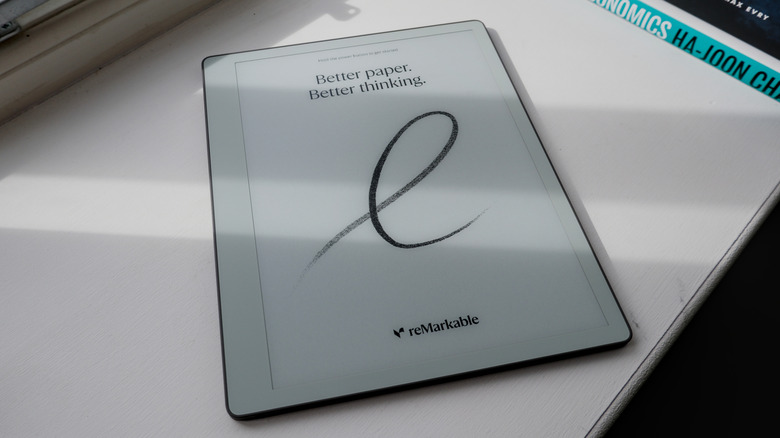
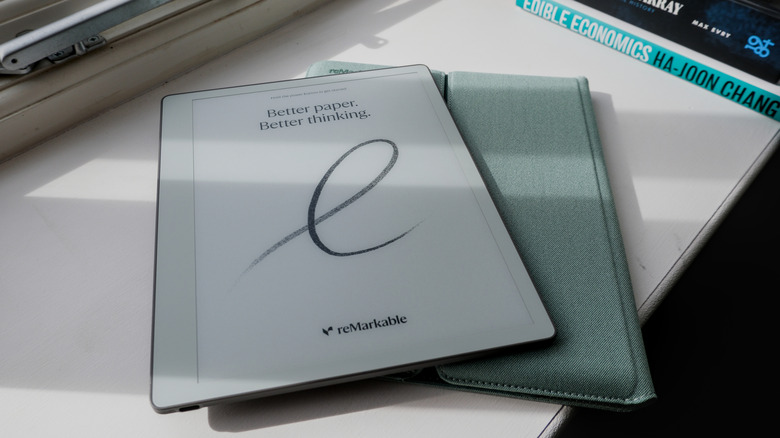
When you first unbox the reMarkable Paper Pure, the quality is immediately apparent. The display technology deserves special praise—it uses an E Ink Carta interface that renders handwriting with minimal latency and exceptional clarity. The stylus feels natural in hand, responding to pressure variations and tilt angles with precision that rivals premium paper notebooks. The device weighs just 380 grams and measures 7.3mm in thickness, making it genuinely portable and comfortable to hold during extended writing sessions. These hardware specifications demonstrate that the engineering team invested considerable effort into creating a device that feels premium and performs excellently.
The writing experience itself is remarkably refined. Users report that the tactile feedback mimics traditional paper closely, with the slightly textured screen surface providing gentle resistance that paper enthusiasts will appreciate. The digital notebook features include customizable page templates, multiple pen types with adjustable line weights, and intuitive organization through notebooks and sections. Handwriting recognition works reasonably well for converting notes to searchable text, though it's not perfect and occasionally misinterprets cursive writing or mixed handwriting styles.
Where the device's promise begins to unravel is in its underlying philosophy regarding user rights and device control. The closed ecosystem approach means that users cannot sideload applications, install custom software, or modify the device's core functionality. Unlike some competitor devices that allow deeper customization, reMarkable maintains strict gatekeeping over what software runs on its hardware. This philosophy extends to file management—while the device can export notes in PDF and PNG formats, the proprietary file system limits how users interact with their own data.
The business model creates another layer of conflict between company interests and user needs. The subscription service requirements have become increasingly contentious within the user community. While the basic device functions without a subscription, many advanced features and cloud synchronization capabilities require an active paid subscription. This creates a situation where users who purchase expensive hardware must pay ongoing fees to access the full feature set they expect from their purchase. For a device positioned as a digital alternative to paper notebooks, the recurring costs add up considerably over time.
Cloud storage and data synchronization practices also raise concerns about user autonomy and data ownership. The company controls all cloud infrastructure, meaning users cannot export their complete data history or operate the device independently from company servers. If reMarkable changes its terms of service, raises subscription prices, or discontinues support, users have limited recourse. This centralized control model contrasts sharply with the promise of simplicity and independence that paper notebooks represent—the original inspiration for the device's design philosophy.

The business philosophy also manifests in restrictive terms of service and warranty policies. Users report frustration with inflexible support procedures and limited options for device repair or replacement outside official channels. The company has taken legal action against users attempting to modify devices or access undocumented features, reinforcing the message that purchasers are licensed users rather than owners. This approach contradicts the growing right-to-repair movement and frustrates users who believe they should have autonomy over hardware they've purchased outright.
Battery performance is genuinely impressive from an engineering standpoint. The device can operate for weeks between charges under typical usage, far exceeding most tablet competitors. This efficiency demonstrates thoughtful hardware design and power optimization. However, even this strength is undermined by the company's control over battery replacement procedures—users cannot easily replace the battery themselves and must rely on official service channels, potentially voiding warranties or facing extended downtime.
From a content creation perspective, the note-taking application is intuitive and feature-rich. Handwriting-to-text conversion, organizational tools, and search functionality all work smoothly. The device excels at its core purpose: providing a digital writing medium that feels natural and responsive. Artists and note-takers alike praise the pen responsiveness and screen quality. The device's performance in actual use is consistently reliable, with minimal crashes or performance degradation even with large notebooks containing thousands of pages.
Comparing the reMarkable Paper Pure to competitors reveals how the closed ecosystem philosophy affects the overall value proposition. Devices like Kobo Elipsa and Onyx Boox offer similar hardware capabilities but with more open software ecosystems that allow sideloading applications and greater customization. These alternatives give users more control over their devices, though some argue they sacrifice refinement and consistency. The reMarkable philosophy prioritizes a streamlined, curated experience, but this comes at the cost of user freedom and flexibility.
The disconnect between exceptional hardware and restrictive software policies creates an ongoing source of disappointment for many users. People invest in the device expecting to own a premium digital notebook, only to discover they're actually subscribing to a service with limited autonomy. The hardware delivers on its promises, but the business framework surrounding that hardware undermines the user experience and erodes trust over time. This fundamental conflict represents a broader tension in the technology industry between corporate interests and consumer expectations.
For potential buyers, the decision ultimately hinges on whether the excellent hardware experience justifies accepting the company's philosophical approach to user rights and data ownership. Those who value simplicity, refined design, and a distraction-free writing environment may find the experience worthwhile despite the limitations. However, users who prioritize autonomy, customization, and data independence should carefully consider whether the reMarkable Paper Pure aligns with their values. The device stands as a reminder that superior engineering alone cannot overcome a business philosophy that doesn't respect user freedom and self-determination.
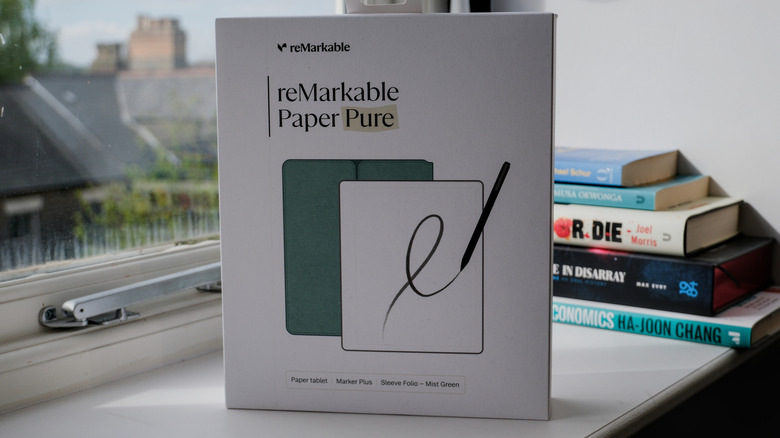
Looking forward, the success of the reMarkable Paper Pure will likely depend on whether the company reconsiders its stance on user autonomy. Opening the ecosystem, offering perpetual licenses instead of subscriptions, and respecting user data ownership would address the main criticisms without compromising the hardware quality. Until such changes occur, the device remains a compelling but compromised option for digital note-taking—brilliant hardware constrained by problematic business practices that prioritize corporate control over genuine user empowerment.
Source: Engadget


