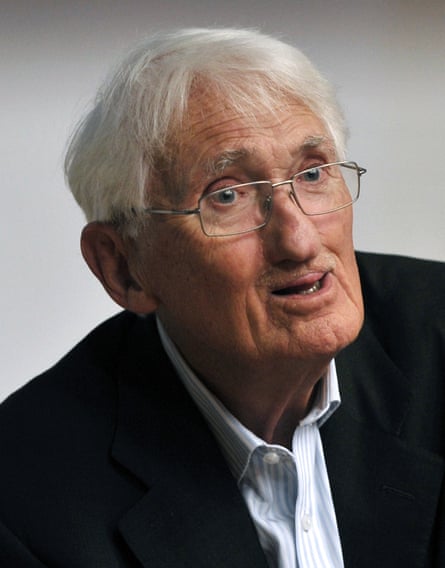
Remembering Jürgen Habermas: The Influential Philosopher's Legacy

Jürgen Habermas, a renowned German philosopher and sociologist, passed away at the age of 96. Explore his profound impact on post-war Germany and the EU.
Jürgen Habermas, a towering figure in the intellectual history of post-war Germany, has passed away at the age of 96. Habermas, widely considered one of the most influential philosophers of the 20th century, was best known for his theory of political consensus-building, which argued that the formation of public opinion is vital for democracies to survive.
Born in 1929 in Düsseldorf, Habermas played a significant role in shaping the discourse around European integration and the formation of the European Union. His ideas on the importance of public discourse and consensus-building have had a lasting impact on the political landscape, both in Germany and across the continent.
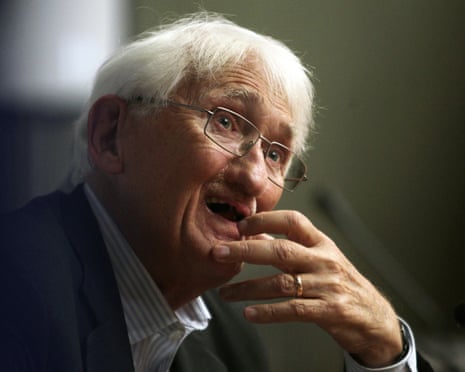
Throughout his illustrious career, Habermas made significant contributions to various fields, including social theory, philosophy of language, critical theory, and the sociology of reason. His work has been influential in shaping our understanding of the role of communication and discourse in the formation of public opinion and the functioning of democratic societies.
Habermas' theory of communicative action posited that the ability to engage in rational discourse and reach mutual understanding is essential for social coordination and the development of shared norms. This idea has had a profound impact on debates around the nature of modernity and the challenges faced by contemporary societies.
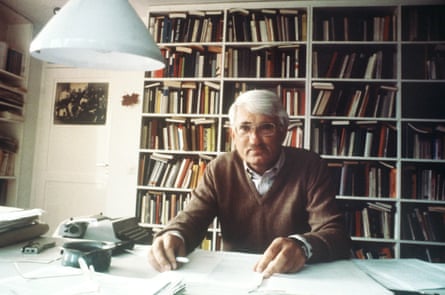
In addition to his academic work, Habermas was also known for his political activism and advocacy for democratic values. He was a vocal critic of authoritarianism and championed the importance of public discourse and civic engagement in the political process.
Habermas' death marks the end of an era for German intellectual thought. His legacy, however, will continue to shape the way we understand the role of communication, consensus, and public opinion in the functioning of democratic societies. As we navigate the complex challenges of the 21st century, Habermas' ideas will undoubtedly continue to be a source of inspiration and guidance for scholars, policymakers, and citizens alike.